
Why Oaxaca Is Mexico’s Culinary Soul
For years, Oaxaca has been a quiet giant in Mexican cuisine deeply respected but often overshadowed by flashier destinations. That’s changed. Now dubbed “the land of seven moles,” the region is finally getting its global due. And yes, there really are seven official types of mole, each complex, slow cooked, and distinct. Mole negro might be the most famous, but dig deeper and you’ll find amarillo, coloradito, manchamantel, and others, each tied to local ingredients, rituals, and family recipes passed down for generations.
The root of Oaxaca’s food identity lies in its blend of ancient Indigenous traditions and colonial Spanish influence. Local markets still trade in corn ground fresh each morning, chilies sun dried outside kitchens, and chocolate mixed by hand with cinnamon and almonds. It’s not just heritage, it’s daily life.
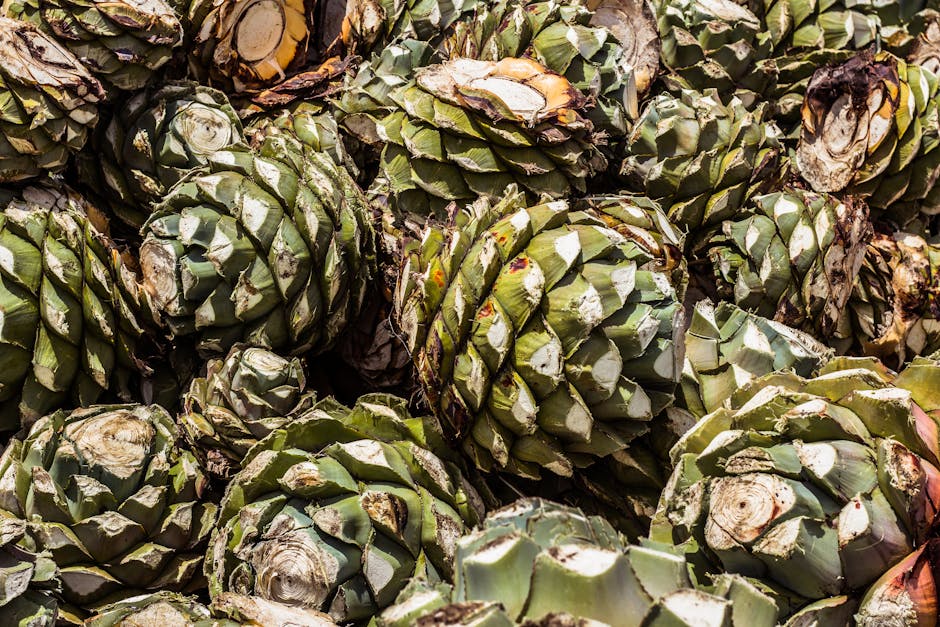
Looking ahead to 2026, food tourism in Oaxaca is exploding. Travelers are skipping the big cities and beach resorts in favor of mole workshops, mezcal tastings in dusty agave fields, and 3 a.m. tlayuda runs from a stall with no signage. For those chasing authenticity real flavor, real culture Oaxaca isn’t a trend. It’s the source.
Mole Negro The Quintessential Oaxacan Sauce
Smoky, layered, and unapologetically bold mole negro is Oaxaca’s crown jewel. It’s not fast food. This is a slow, intricate labor made with over 30 ingredients, including native chilhuacle chilis, spices, nuts, plantains, and handmade Oaxacan chocolate. The end result is dark, dense, and rich with a depth that hits you in waves.
Traditionally, mole negro is draped over slow cooked turkey or chicken the kind that falls apart on your plate. It’s not a weeknight dinner. It’s a centerpiece. A food that feeds crowds and marks celebrations.
Skip the jarred versions and polished restaurant takes. To really understand mole negro, get a plate at a local market comedor. It’ll taste like someone’s grandmother made it because one probably did.
Tlayudas Oaxaca’s Answer to Pizza
Tlayudas are one of Oaxaca’s most beloved street foods, often described as the region’s take on pizza but with unmistakably Oaxacan ingredients and flair.
What Is a Tlayuda?
At its core, a tlayuda is a large, thin, and crispy tortilla that’s either grilled or lightly fried until it gains a toasted texture. On top, you’ll usually find a flavorful base of refried beans, followed by layers of traditional toppings:
Quesillo (Oaxacan string cheese)
Sliced avocado
Tasajo (thinly sliced, marinated beef) or cecina (spiced, dried pork)
A sprinkle of salt, and perhaps a splash of salsa
How to Eat It
Tlayudas are a flexible food there’s no wrong way to enjoy them:
Folded or open faced: Some vendors serve them like giant quesadillas, while others present them flat like a pizza
On the go or late night: Often eaten as a hearty snack after a night out, or grabbed on the street for a satisfying lunch
Where to Get the Best Tlayuda
The best tlayuda experiences often come from simple setups with smoky grills and skilled hands:
Skip the menus: Most authentic stands don’t bother with printed choices
Trust the locals: Follow your nose or the line of neighborhood regulars
Let the grill master lead: They’ll load yours with what’s freshest and most flavorful
Tlayudas are more than just a meal they’re a cultural staple, combining age old ingredients with contemporary street food energy. Whether you’re dining under market lights or from a roadside cart, this is the flavor of Oaxaca you’ll remember.
Memelas The Street Snack Staple

What Are Memelas?
Memelas are a treasured street food in Oaxaca humble in ingredients, but rich in flavor and cultural history. Essentially, they’re thick, hand pressed discs made from corn masa, slightly larger than a traditional tortilla and cooked on a comal (a flat griddle typical in Mexican cooking).
Toppings That Matter
Once cooked to a slight crisp, they’re topped with locally beloved ingredients:
Asiento pork lard spread in a thin layer for depth of flavor
Refried black beans earthy and smooth
Quesillo (Oaxacan string cheese) lightly melted for creamy texture
Salsas fresh red or green, depending on your heat preference
A Bite of Tradition
Memelas are often seen as the original open faced tacos, offering a perfect bite of Oaxaca’s indigenous and colonial food influences in snack sized form.
Cost: Usually under $1 USD
Best enjoyed: Piping hot, straight off the comal
Where to try: Street vendors or local markets in towns like Tlacolula or Oaxaca City
Pro tip: Ask for toppings like cactus (nopales) or chicharrón if your vendor offers customizations.
Whether as a midday snack or morning breakfast, memelas are a simple pleasure that offer a flavorful crash course in Oaxacan comfort food.
Chapulines Toasted Grasshoppers with a Kick
Walk through almost any market in Oaxaca, and you’ll hear the crackle before you see them. Chapulines seasoned, toasted grasshoppers are a bar snack with serious crunch and centuries of history. They’re salty, tangy with lime, and often dusted with a touch of chili. It’s the kind of bite that wakes you up.
Besides taste, there’s function. Chapulines are packed with protein, light to carry, and about as sustainable a snack as you’ll find. Oaxacans have been eating them long before it became cool or climate conscious. You’ll find vendors with massive baskets in the markets, offering tiny to palm sized portions, depending on your courage.
And if you’re sipping mezcal don’t be surprised to find a few nestled on the rim of your glass. That’s not garnish. That’s tradition.
Tetelas Triangular Pockets of Flavor
Among Oaxaca’s treasure trove of masa based eats, tetelas are a standout that deserve your attention.
What Are Tetelas?
Tetelas are triangular parcels made from fresh, hand pressed corn masa. These pockets are folded with intention and filled with comforting, savory ingredients that showcase Oaxacan simplicity at its finest.
Common Fillings Include:
Refried black beans
Fresh Oaxaca cheese
Chicharrón (crispy pork skin)
Once filled, they’re carefully sealed into a triangle shape and cooked to perfection.
Fired to Flavor
The real magic happens over the fire. Tetelas are traditionally cooked on a clay comal or over a wood flame, which gives them a beautiful balance:
Soft on the inside from the moist masa and melting fillings
Charred on the outside for a subtle smoky flavor and a touch of crispness
This technique creates a texture contrast that keeps you going back for bite after bite.
How to Eat Them
Tetelas are best enjoyed fresh off the heat, still warm and slightly smoky. Simple sides elevate the flavor without overpowering:
A spoonful of fresh salsa roja or verde
A dollop of crema (Mexican style sour cream)
Whether eaten as a snack, breakfast, or light meal, tetelas deliver bold flavor in a humble, hand held form.
Curious About Global Market Food Scenes?
Once you’ve tasted your way through Oaxaca’s layered moles and crunchy chapulines, your appetite for authentic flavors might not be satisfied just yet. That’s where Lisbon comes in. Portugal’s capital is quietly making noise in the global food scene, especially inside its local mercados. We’re talking about no frills stalls with freshly grilled sardines, handmade cheeses you won’t find exported, and spices that still smell of North Africa’s influence.
Whether you’re hunting for a flaky pastel de nata that doesn’t feel mass produced or watching older women clean fish with mechanical grace, Lisbon’s markets serve food with soul. It’s not about presentation it’s about tradition, timing, and taste.
Ready to go beyond Oaxaca? Here’s your next bite: Exploring the Hidden Food Gems of Lisbon’s Local Markets.
Don’t Leave Oaxaca Without Trying This
Mole coloradito is the lesser known sibling of mole negro, but it’s no understudy. It has fewer ingredients, goes lighter on the chocolate, and leans into sweet and tangy flavors think tomatoes, red chilis, cinnamon, and plantains. It’s the kind of comforting dish that feels familiar even if you’ve never had it before. Best served with rice and chicken, but don’t overthink it locals will happily pour it over eggs or tamales too.
For dessert, track down nieves de leche quemada. These milk based sorbets have a caramelized, smoky edge thanks to the slow cooking of the milk. You’ll usually find them at traditional heladerías tucked into local markets or pushed around in carts. Ask for it with tuna (that’s cactus fruit, not fish) if you like contrast sweet, earthy, and just weird enough to remember forever.
If you’re venturing out with an appetite and an open mind, three markets are essential: Mercado 20 de Noviembre for iconic eats and grilled meats, Mercado de Abastos for that raw, chaotic energy and street dishes, and the organic market in Xochimilco on Saturdays, where you’ll see what farm to table looks like in Oaxacan real life. Pro tip: come hungry, bring small bills, and don’t be shy about asking vendors what’s best that day.

 Cindy Thorntonesion writes the kind of global cuisine guides content that people actually send to each other. Not because it's flashy or controversial, but because it's the sort of thing where you read it and immediately think of three people who need to see it. Cindy has a talent for identifying the questions that a lot of people have but haven't quite figured out how to articulate yet — and then answering them properly.
They covers a lot of ground: Global Cuisine Guides, Local Food Spotlights, Recipe Ideas and Tips, and plenty of adjacent territory that doesn't always get treated with the same seriousness. The consistency across all of it is a certain kind of respect for the reader. Cindy doesn't assume people are stupid, and they doesn't assume they know everything either. They writes for someone who is genuinely trying to figure something out — because that's usually who's actually reading. That assumption shapes everything from how they structures an explanation to how much background they includes before getting to the point.
Beyond the practical stuff, there's something in Cindy's writing that reflects a real investment in the subject — not performed enthusiasm, but the kind of sustained interest that produces insight over time. They has been paying attention to global cuisine guides long enough that they notices things a more casual observer would miss. That depth shows up in the work in ways that are hard to fake.
Cindy Thorntonesion writes the kind of global cuisine guides content that people actually send to each other. Not because it's flashy or controversial, but because it's the sort of thing where you read it and immediately think of three people who need to see it. Cindy has a talent for identifying the questions that a lot of people have but haven't quite figured out how to articulate yet — and then answering them properly.
They covers a lot of ground: Global Cuisine Guides, Local Food Spotlights, Recipe Ideas and Tips, and plenty of adjacent territory that doesn't always get treated with the same seriousness. The consistency across all of it is a certain kind of respect for the reader. Cindy doesn't assume people are stupid, and they doesn't assume they know everything either. They writes for someone who is genuinely trying to figure something out — because that's usually who's actually reading. That assumption shapes everything from how they structures an explanation to how much background they includes before getting to the point.
Beyond the practical stuff, there's something in Cindy's writing that reflects a real investment in the subject — not performed enthusiasm, but the kind of sustained interest that produces insight over time. They has been paying attention to global cuisine guides long enough that they notices things a more casual observer would miss. That depth shows up in the work in ways that are hard to fake.