
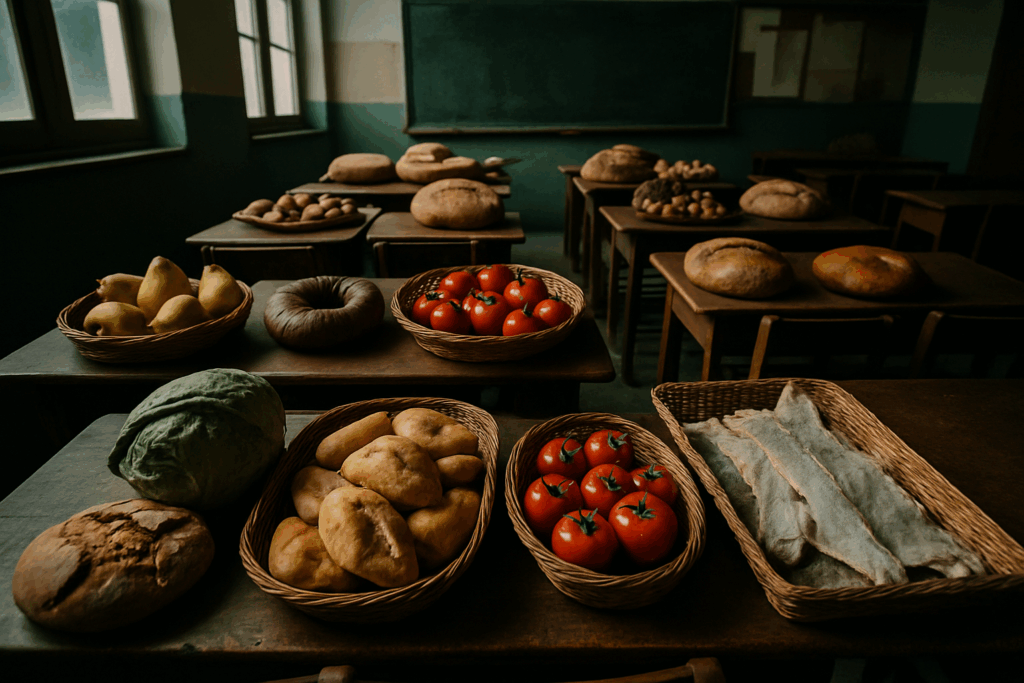
Why Lisbon’s Markets Still Matter in 2026
There’s a quiet sort of resistance happening in Lisbon’s markets. While the city’s food courts grow shinier and louder each year, locals are holding tight to the rhythm of the mercados. These spaces haven’t just survived the wave of tourism and hype they’ve evolved without selling themselves out.
Markets like Mercado de Campo de Ourique or Mercado de Alvalade aren’t just places to buy ingredients. They’re where generations of vendors remember your order, where recipes float around like casual gossip, and where taste still wins over trends. Compared to polished, high footfall food courts built for Instagram, Lisbon’s older markets move slower, smell realer, and ring with conversations that aren’t spoken in English.
Tourist heavy food spots promise convenience. What they often lack is the soul that comes from a dozen regulars chatting about sardine stocks or olive harvests. If you know, you know. And if you don’t, the guidebooks won’t help you. The magic lives in repeat visits, in coming back for that same tart or that same cured sausage until the vendor behind the counter doesn’t ask what you want anymore because they already know.
Lisbon’s markets are not time capsules. They’re living spaces. Still changing, still local, and very much worth your hunger.
Where to Go Beyond Time Out Market
Campo de Ourique: old school charm with gourmet twists
This isn’t your typical polished market it’s a neighborhood hangout where tradition meets a bit of flair. You’ll find shelves of artisan cheeses next to vendors who’ve been selling the same buttery regional pastries for decades. The pork bifana? Legendary. The stall has a line so steady it might as well be a permanent fixture. It’s messy, spicy, and real. Perfect with a cold beer and no plans afterward.
Mercado de Arroios: a symphony of global eats
Arroios captures Lisbon’s layered identity locals, immigrants, old timers, and newcomers all at one table. The market reflects that. Mozambican curries that sneak up on you with heat, Cape Verdean stews slow cooked till they whisper, and octopus that couldn’t have been pulled from the sea more than a few hours ago. It’s a market in motion not fancy, just full of soul.
Mercado de Alvalade: where grandmothers shop and you should, too
Alvalade doesn’t cater to the camera it caters to real life. The counters here are stocked for people who know what to do with fresh fava beans and still ask how the fish was caught. Seasonal produce rotates in and out like clockwork, and the energy is pure neighborhood. If you want to understand how Lisbon eats when no one’s watching, this is where to stand in line.
What to Look For (and What to Skip)
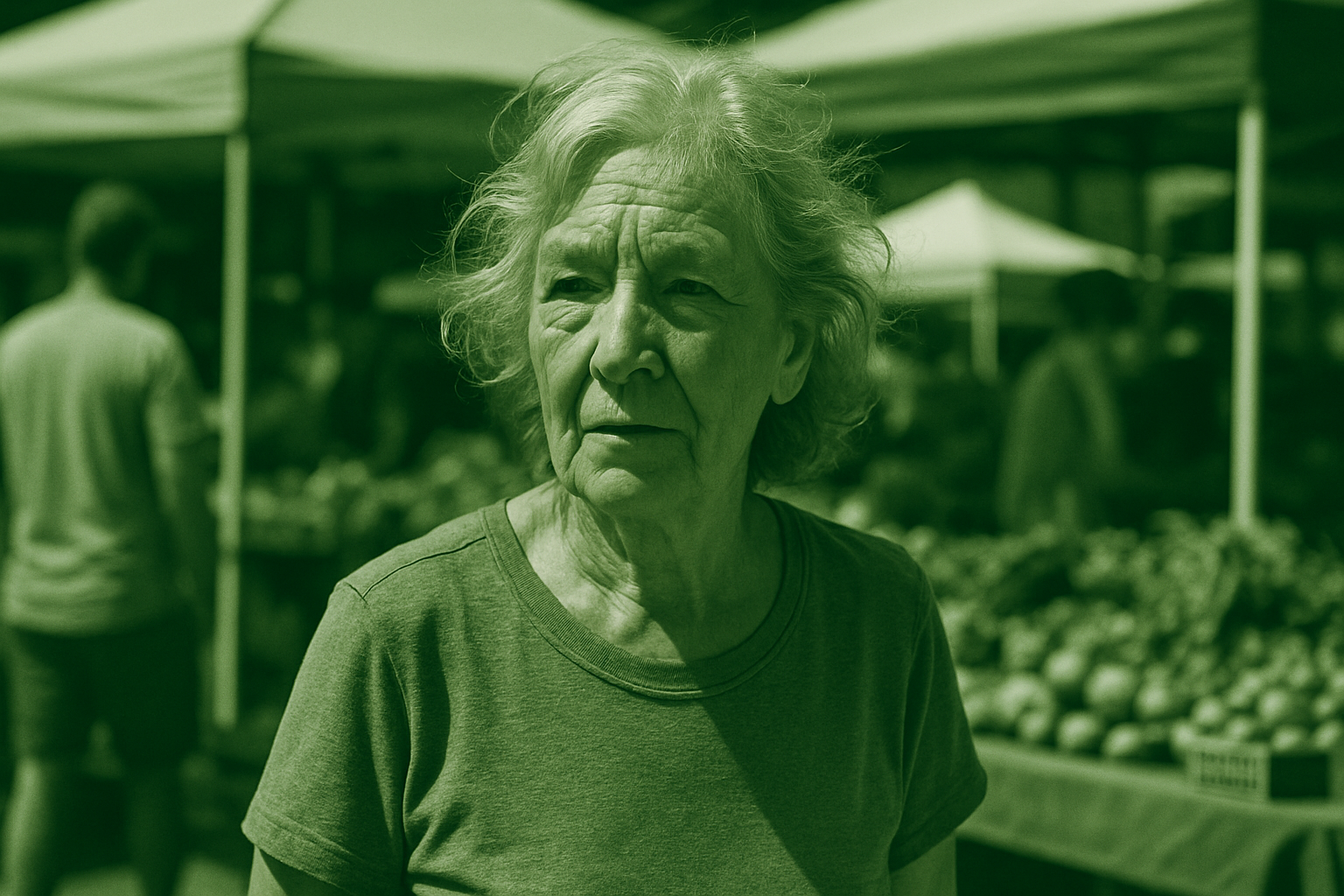
If you’re roaming Lisbon’s markets, skip the overpriced displays and head straight for flavor with soul. Start with a shot of ginjinha the sour cherry liqueur best taken straight from a flask at a stall, not bottled behind a slick counter. It’s sweet, sharp, and served with a nod instead of a sales pitch.
Next: sardine pâté, but only if it’s whipped up onsite. When it’s homemade, you’ll taste the ocean with a punch of lemon and a hit of garlic. Spread it on crusty bread, don’t overthink it. People selling tins wrapped in twine aren’t selling you taste they’re selling you a photo prop.
The crown jewel? A pastel de nata still steaming from the tray. Skip the boxed version with the tourist mark up. The real thing crackles when you bite in flaky shell, warm custard center and usually comes from a stall where someone’s been making them the same way for decades.
Keep an eye out for the warning signs: food that looks better in pictures than it tastes in your mouth. If the menu has every language printed on it or the platter comes with plastic grapes, move along. Lisbon’s best bites aren’t begging for attention they’re waiting for those who know what to look for.
How to Eat Like a Local
Start early. Lisbon’s markets wake up with the city, and by 8 a.m., the freshest goods are already on display. Fish still glistens; produce is crisp. Vendors are relaxed, and the regulars aren’t elbowing for space yet. By late afternoon, selection dips, and energy fades. If you want choice and charm, mornings win, hands down.
As for eating, flip the tourist script. Don’t snack first and shop second. Do a lap. Pick up a handful of olives here, sliced local sausage there. Find a vendor selling fresh bread or grab a just fried croquette. Build your own meal from pieces. You’ll save money, taste more, and end up with a grazing session that feels more like a friendly treasure hunt than another meal in a crowd.
And bring cash small bills and coins go a long way. Most stalls don’t want to swipe cards for a two euro pastel. Ask gently if something’s negotiable, especially if you’re buying more than one item. Be polite, smile, and don’t push it. Locals respect directness over haggling drama. Often, they’ll offer a better price just because you took the time to speak their language or at least tried.
From Lisbon to Florence Food Travelers Think Alike
Walk through Mercado de Arroios in Lisbon and then wind your way through Sant’Ambrogio in Florence. Different continents, same energy. It’s not the language or the spices that connect them it’s the way real food lives on the street before it ever hits a menu. Local markets aren’t just about ingredients; they’re where culture breathes in olive oil and citrus zest.
Lisbon’s markets have a rougher edge. They’re functional first, charming second. Florence leans more romantic, sure but both cities do one thing exceptionally well: they keep you grounded. Every bite has a story, and no, it’s not curated for Instagram. It’s passed between hands, wrapped in napkins, served with a nod.
You’ll find similarities in rhythm: the early morning bustle, the locals who shop with purpose, the vendors who know your name if you bother to ask theirs. But the flavors are a world apart. Lisbon hums with West African influence, salted cod, and all things piri piri. Florence leans into cured meats, pecorino, and the sacred art of slow.
Want proof? Take a detour here: Florence on Your Fork: Best Local Food Stops in the City. Then come back and walk Lisbon again. You’ll see: different accents, same heartbeat. Because the best food storytelling doesn’t start with chefs. It starts with grandmas, cranky stall owners, and the smell that hits you two blocks before the market. Whether in Tuscany or the heart of Alfama, food is always first told on foot.
One Final Pass: What Locals Wish You Knew
Markets in Lisbon aren’t built for spectacle. They’re built for food, community, and rhythm the kind that doesn’t announce itself. So take your cues from those who shop there every morning: wait your turn, keep the volume down, and let the locals lead. There’s etiquette in the slowness, in the soft back and forth between butcher and grandmother or the quiet deliberation over which peaches smell like summer.
Snapping pictures? Ask first. Not every plate of sardines or stack of pastel de nata is there for your social feed. Some things are meant to be experienced, not captured. Respect is part of the taste.
And if you’re looking to bring Lisbon with you, skip the keychains. Real souvenirs are edible and ephemeral wrapped in brown paper, tucked in jars, still warm from the counter. Ginjinha in a pocket bottle, fresh cheese in waxed paper, or a bag of piri piri peanuts will speak more truth than anything mass produced ever could.

 Cindy Thorntonesion writes the kind of global cuisine guides content that people actually send to each other. Not because it's flashy or controversial, but because it's the sort of thing where you read it and immediately think of three people who need to see it. Cindy has a talent for identifying the questions that a lot of people have but haven't quite figured out how to articulate yet — and then answering them properly.
They covers a lot of ground: Global Cuisine Guides, Local Food Spotlights, Recipe Ideas and Tips, and plenty of adjacent territory that doesn't always get treated with the same seriousness. The consistency across all of it is a certain kind of respect for the reader. Cindy doesn't assume people are stupid, and they doesn't assume they know everything either. They writes for someone who is genuinely trying to figure something out — because that's usually who's actually reading. That assumption shapes everything from how they structures an explanation to how much background they includes before getting to the point.
Beyond the practical stuff, there's something in Cindy's writing that reflects a real investment in the subject — not performed enthusiasm, but the kind of sustained interest that produces insight over time. They has been paying attention to global cuisine guides long enough that they notices things a more casual observer would miss. That depth shows up in the work in ways that are hard to fake.
Cindy Thorntonesion writes the kind of global cuisine guides content that people actually send to each other. Not because it's flashy or controversial, but because it's the sort of thing where you read it and immediately think of three people who need to see it. Cindy has a talent for identifying the questions that a lot of people have but haven't quite figured out how to articulate yet — and then answering them properly.
They covers a lot of ground: Global Cuisine Guides, Local Food Spotlights, Recipe Ideas and Tips, and plenty of adjacent territory that doesn't always get treated with the same seriousness. The consistency across all of it is a certain kind of respect for the reader. Cindy doesn't assume people are stupid, and they doesn't assume they know everything either. They writes for someone who is genuinely trying to figure something out — because that's usually who's actually reading. That assumption shapes everything from how they structures an explanation to how much background they includes before getting to the point.
Beyond the practical stuff, there's something in Cindy's writing that reflects a real investment in the subject — not performed enthusiasm, but the kind of sustained interest that produces insight over time. They has been paying attention to global cuisine guides long enough that they notices things a more casual observer would miss. That depth shows up in the work in ways that are hard to fake.