
What Makes Caribbean Cuisine Unique
Caribbean food didn’t arrive in one wave it’s the result of centuries of movement, collision, and creativity. African, Indigenous, European, and Asian influences each left their mark on the region’s kitchens. What emerged isn’t a fusion, exactly. It’s deeper than that. It’s a culinary identity forged from survival, adaptation, and shared technique.
Colonial trade routes brought ingredients, people, and practices across oceans. Slave ships, merchant vessels, and migrant journeys carried rice, spices, cooking methods, and more. From West African one pot meals to Indian spice blends and Chinese stir fries, the Caribbean absorbed it all and made it its own.
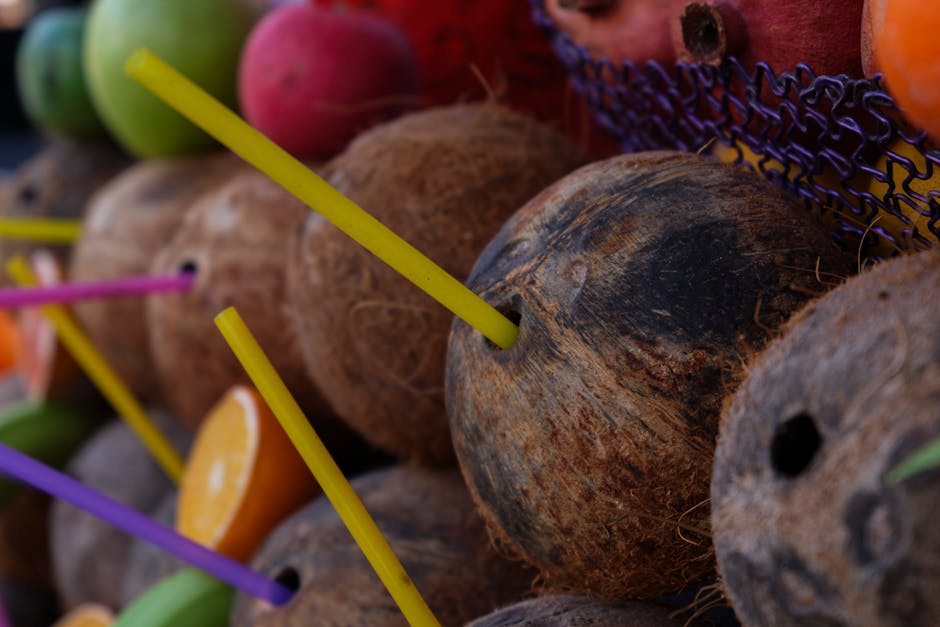
You’ll see the same ingredients pop up across island borders cassava, coconut, Scotch bonnet peppers, plantains but what each island does with them is where the flavor lives. One island ferments it. Another stews it for hours. Someone else fires it over pimento wood.
Caribbean cuisine isn’t static. It’s rooted in memory but constantly responding to what’s grown nearby, what’s in season, and who’s cooking. It’s homegrown, but global by nature.
Signature Dishes You Need to Know
The Caribbean isn’t just one flavor. Each island has its own plate, and every dish has a story.
Jamaica brings heat, depth, and big character. Jerk chicken isn’t just spiced it’s marinated, slow cooked over pimento wood, smoky and defiant. Ackee and saltfish, the national dish, is a contradiction in taste and texture: smooth ackee (a tropical fruit) meets savory salted cod. Served with festival bread crispy outside, soft and slightly sweet inside it’s a breakfast, a memory, a homecoming.
Go to Trinidad & Tobago, and street eats rule. Doubles are the no frills king: curried chickpeas tucked between two soft bara breads, loaded with chutneys. Roti wraps tender curry and veggie fillings in flaky or dhal spiked skins. And pelau rice cooked down with pigeon peas, coconut milk, and browned sugar is both groundwork and comfort, the Sunday dish of a thousand variations.
In Barbados, flying fish and cou cou lead the way. Steamed, sautéed, or fried flying fish pairs with cou cou’s cornmeal okra mash like polenta’s island cousin. Then there’s macaroni pie, a boldly seasoned, oven baked macaroni and cheese that laughs in the face of bland side dishes.
Haiti serves bold, soulful statements. Griot pork chunks marinated in citrus and spices, then fried to golden is pure celebration. Diri ak djon djon (black mushroom rice) uses rare, local mushrooms to tint the rice almost black, earth rich, and aromatic.
These aren’t just dishes. They’re survival tactics, joy rituals, and identity markers. If you want to understand the Caribbean, start with what’s on the plate.
Spice and Smoke: The Flavor Profiles That Define the Region
Caribbean food doesn’t rush. It’s built on time, patience, and bold choices. At its core are deep marinades meats soaked overnight in layers of citrus, vinegar, and pungent seasonings that hit every corner of your palate. It’s not just flavor; it’s intention. Then comes the slow cooking. Whether it’s oxtail stewing for hours or jerk pork smoked over pimento wood, that low and slow technique gives dishes their soul.
Herbs aren’t garnish; they’re foundation. Green seasoning an aromatic blend of thyme, scallion, culantro, and garlic is made fresh in nearly every home. It’s rubbed into fish, folded into rice, and added to soups like a Caribbean mother’s signature. Garlic and thyme anchor almost every base, bringing earthiness and strength.
And then there’s heat. Scotch bonnets aren’t just fire they’re flavor. Used fresh, pickled, or in pepper sauces, they bring a floral, fruity kick that lingers. Island kitchens also lean into bold spice blends and preserved condiments that tell a story of survival, trade, and creativity. It’s not about burning your mouth. It’s about balance. Depth. And the kind of heat that keeps calling you back.
Markets, Street Food, and Home Kitchens

Caribbean food doesn’t begin on a white tableclothed plate it starts at dawn at the fish market, in a neighbor’s coconut grove, or under a faded tarp in the corner of a village square. Fresh catch comes in with the tide: snapper, mahi mahi, lobster hauled straight from the sea and scaled within sight of the boat. Next to that, heaps of callaloo, breadfruit, yam, and mango crowd wooden tables under the sun, stacked in rhythm with the season.
Then there are the smells spices ground by hand and sold in unbranded plastic bags. Scotch bonnet peppers beside bunches of thyme. Mountains of ginger. Homemade seasoning pastes passed down like heirlooms. Even everyday shopping feels like a ritual.
Street food in the islands isn’t a trend. It’s survival, celebration, and skill packed into a foil wrapper or brown paper bag. Think of doubles in Trinidad, served hot with bare hands and chutney still warm. Or charcoal grilled jerk from a roadside drum in rural Jamaica. Behind each of these dishes is often a single cook, a generations old technique, and a sharp focus on flavor, not frills.
In the Caribbean, food is more than fuel it’s the glue of culture, a communal heartbeat. Here, a one pot meal can feed an extended family; a market visit can double as neighborhood news hour. The plates may be plastic, but the food holds real weight.
Caribbean Culinary Influences Beyond the Islands
Caribbean food isn’t just staying home it’s pulling up a chair in some of the world’s busiest cities. From Brooklyn to Brixton to Scarborough, what started as home cooking has become an urban staple. You’ll find Trinidadian doubles on New York street corners, Jamaican patties warming up office fridges in Toronto, and Bajan fish cakes holding their own in London’s food markets.
But it’s more than just traditional dishes crossing borders. A new wave of chefs and creators are blending Caribbean roots with global flair. Think jerk ramen. Callaloo gnocchi. Sorrel cocktails with a Thai twist. This fusion isn’t about watering things down it’s about expanding the definition of authenticity. These modern day tastemakers are Caribbean born or Caribbean inspired, using heritage ingredients with bold imagination, and they’re cooking for an audience that appreciates both style and soul.
Caribbean flavors have gone global, but they haven’t lost their edge. In many ways, the diaspora is keeping the cuisine alive adapting it, remixing it, and feeding it back to the world with confidence.
If you’re hungry for more global flavor stories, check out Savoring the Spice Route: Culinary Experiences in Morocco and India.
Where to Eat It Right
When it comes to Caribbean food, skip the laminated menus and curated photo ops. The real flavor lives far from the resorts. It’s tucked behind backroads, under corrugated roofs, in places that don’t advertise much because they don’t need to. Locals already know.
Community run cookshops are often just small shacks with one person running the grill and another handling the pot. But step in, and you’ll eat like family. These places aren’t chasing stars or ratings. They’re focused on fire, heart, and feeding you something honest. Village food festivals usually tied to local holidays or harvests are another goldmine. Here, cooks roll out their secret recipes and generations old techniques, often honed without ever leaving their island.
And then there are the seaside grills, where someone’s uncle is working magic over coals on the beach. Bring cash, follow the smell, and don’t be afraid to ask what’s fresh.
The truth? Some of the best Caribbean meals you’ll ever eat will be at someone’s home kitchen, invited by a friend of a friend, no reservations required. That’s where the culture simmers slow, generous, and full of soul. If you’re lucky enough to get that invite, don’t ask for substitutions. Just eat.
Island Food in 2026 and Beyond
The future of Caribbean food is rooted in going local and going deep. Across the islands, small scale farmers are re centering native crops and sustainable growing methods. It’s not just about organic produce; it’s about preserving the soil, harvesting with intention, and keeping traditional ingredients like dasheen, breadfruit, and calalloo alive in the face of global imports. This shift is being led by a scrappy wave of regional entrepreneurs who are turning backyard agriculture into a movement.
Meanwhile, chefs from Kingston to Castries are doing more than sticking to the script. They’re reclaiming traditional dishes sometimes lost to colonial erasure and rebuilding them for today’s palate. Think cassava flatbreads made modern or slow roasted goat prepared with both precision and cultural pride. These aren’t reinventions for reinvention’s sake. They’re made to connect more deeply with roots and raise the bar on island cuisine.
The next generation isn’t waiting for permission. Young cooks are documenting old family recipes, shaping new ones through content, and muscling their way into the global food conversation. They’re not chasing trends they’re preserving fire. In a world racing toward the synthetic and fast, island food is holding its ground: slow, rich, and alive.

 Johnister Barkerston writes the kind of culinary travel experiences content that people actually send to each other. Not because it's flashy or controversial, but because it's the sort of thing where you read it and immediately think of three people who need to see it. Johnister has a talent for identifying the questions that a lot of people have but haven't quite figured out how to articulate yet — and then answering them properly.
They covers a lot of ground: Culinary Travel Experiences, Food Festivals and Events, Local Food Spotlights, and plenty of adjacent territory that doesn't always get treated with the same seriousness. The consistency across all of it is a certain kind of respect for the reader. Johnister doesn't assume people are stupid, and they doesn't assume they know everything either. They writes for someone who is genuinely trying to figure something out — because that's usually who's actually reading. That assumption shapes everything from how they structures an explanation to how much background they includes before getting to the point.
Beyond the practical stuff, there's something in Johnister's writing that reflects a real investment in the subject — not performed enthusiasm, but the kind of sustained interest that produces insight over time. They has been paying attention to culinary travel experiences long enough that they notices things a more casual observer would miss. That depth shows up in the work in ways that are hard to fake.
Johnister Barkerston writes the kind of culinary travel experiences content that people actually send to each other. Not because it's flashy or controversial, but because it's the sort of thing where you read it and immediately think of three people who need to see it. Johnister has a talent for identifying the questions that a lot of people have but haven't quite figured out how to articulate yet — and then answering them properly.
They covers a lot of ground: Culinary Travel Experiences, Food Festivals and Events, Local Food Spotlights, and plenty of adjacent territory that doesn't always get treated with the same seriousness. The consistency across all of it is a certain kind of respect for the reader. Johnister doesn't assume people are stupid, and they doesn't assume they know everything either. They writes for someone who is genuinely trying to figure something out — because that's usually who's actually reading. That assumption shapes everything from how they structures an explanation to how much background they includes before getting to the point.
Beyond the practical stuff, there's something in Johnister's writing that reflects a real investment in the subject — not performed enthusiasm, but the kind of sustained interest that produces insight over time. They has been paying attention to culinary travel experiences long enough that they notices things a more casual observer would miss. That depth shows up in the work in ways that are hard to fake.