
Shared Threads of Flavor and Tradition
Long before international shipping containers and recipe blogs, Morocco and India were already giants on the world’s culinary map. Both regions played pivotal roles in the ancient spice trade India as a producer, Morocco as a vital trading hub linking Africa, Europe, and the East. From incense laden camel caravans crossing the Sahara to salt laden seaports humming with activity, spices moved not just as goods, but as stories, power, and cultural expression.
In both cuisines, spices aren’t garnish they’re identity. In Morocco, they’re layered patiently into slow simmered tagines and hand rolled couscous, shaping savory sweet profiles that speak of desert warmth and Berber tradition. In India, spices form the grammar of every home kitchen. Whether it’s a fiery South Indian sambhar or a subtle Kashmiri Rogan Josh, every dish is a study in aroma, heat, and complexity.
Then there’s cumin, turmeric, and cinnamon three powerhouse spices that both cultures use in wildly different ways. Moroccan dishes fold cumin into roasted vegetables, grilled meats, and even bread, while Indian kitchens toast it in oil to build fragrant curries. Turmeric in Morocco appears mostly for subtle earthiness; in India, it’s medicinal, sacred, and everywhere from masala blends to wedding rituals. And cinnamon? Sweet in Moroccan mint tea or savory in lamb tagines. In India, it anchors everything from biryani to masala chai.
What connects these uses isn’t uniformity it’s intent. Spices are tools of memory, medicine, and meaning. Whether from a Marrakesh market stall or a Kerala spice farm, the thread is clear: flavor doesn’t travel alone. It comes with story.
Morocco: Layers of Flavor in Every Tagine
Start with couscous royal a heaping dish layered with tender lamb, chicken, spicy merguez, carrots, zucchini, and chickpeas. It’s not just a meal, it’s a table stopper. Then there’s harira, Morocco’s go to soup for Ramadan. Rich with lentils, tomatoes, and spices, it’s comfort food that holds cultural weight. And if you want sweet and savory to collide in the best way, order lamb tagine with prunes. The meat melts, the cinnamon and almonds pop, and it’s all buried under a blanket of ras el hanout.
About that spice blend: ras el hanout isn’t one size fits all. It’s Arabic for “top of the shop,” meaning each vendor mixes a personal greatest hits collection usually over a dozen spices. Think cardamom, clove, nutmeg, dried rose, turmeric, and more. No batch is quite the same, which is kind of the point.
By 2026, Morocco’s food scene is leaning hyper local. Small farms are stepping forward, cutting out the middleman, and inviting travelers to experience real, seasonal produce off the beaten path. Expect pop up lunches in olive groves, tastings under argan trees, and urban kitchens sourcing straight from backyard gardens.
The best meals still aren’t always in restaurants. Hit the roadside grills where locals grab lamb brochettes sizzling over charcoal. Hunker down in a melhfa draped riad for an eight course home cooked dinner. Or wander through market stalls where fresh bread, olives, and grilled sardines cost less than your coffee back home. In Morocco, the deeper you go, the richer it gets.
India: A Culinary Landscape with No Borders

If there’s one thing you can’t do with Indian cuisine, it’s wrap it up in a neat box. It sprawls, stretches, and shape shifts with every state, sometimes every street. In Kerala, food is bathed in coconut milk, oil, grated pulp layering gentle flavor over fiery spice. Up in Punjab, dishes tend to swagger: smoky tandoori meats, rich dals, and spice forward gravies cooked slow and served with soft naan. Slide west to Gujarat and the tone shifts again, where even savory snacks carry a whisper of sweetness proof that balance is baked into tradition.
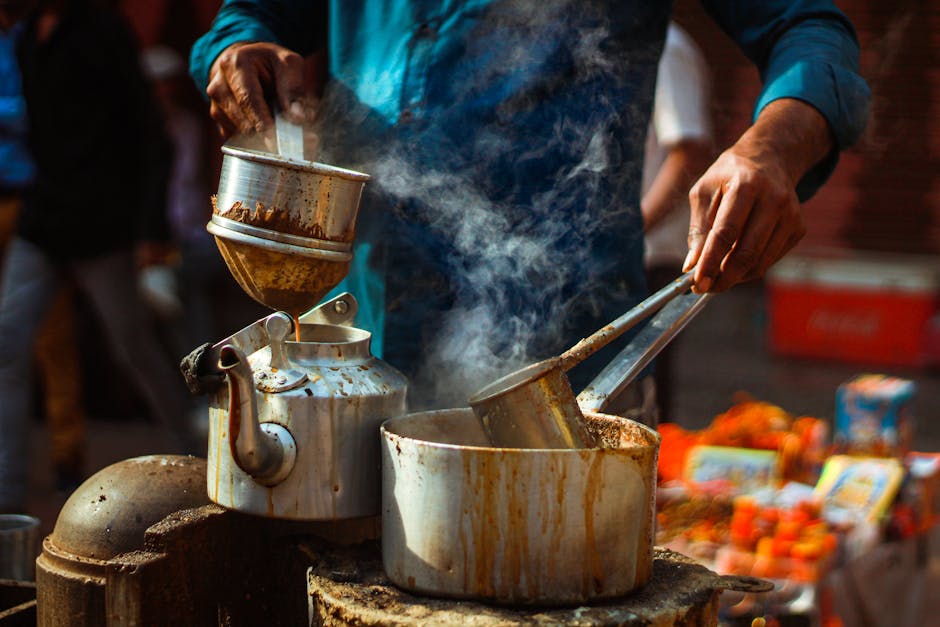
But it’s not just main dishes that keep India’s food scene pulsing. Street food here isn’t a side note it’s an institution. Samosas fresh from bubbling oil, crisp dosas folded like golden envelopes, and chaat that’s sweet, tangy, spicy, crunchy all at once these are the flavors travelers remember long after they leave.
India’s modern kitchens are just as exciting. A rising wave of plant based innovation is transforming home cooking, restaurant menus, and wellness retreats alike. Traditional recipes are finding new life through millets, jackfruit, and home fermented ingredients. Ayurvedic principles are being unearthed not as ancient wisdom, but as tomorrow’s wellness cuisine.
For travelers, India’s spiced path unfolds beyond the plate. Venture into cardamom dense air in a Kerala plantation, share a thali at a Rajasthani homestay, or join an ayurvedic food trail that teaches more than just taste it teaches perspective. No other place feeds curiosity and hunger quite like this one.
The Evolving Traveler’s Appetite
In 2026, culinary travel isn’t just about sampling local dishes it’s about understanding the story behind the ingredients, the hands that prepare them, and the communities they represent. As global travelers seek more meaningful and sustainable experiences, food has become a powerful conduit for connection and cultural exchange.
What’s Changed in Culinary Travel?
The modern food traveler is more conscious, curious, and involved than ever before. Key trends shaping 2026 include:
Sustainable Sourcing: Travelers prioritize establishments that support local farmers, use seasonal ingredients, and reduce food waste.
Immersive Cooking Experiences: It’s less about observation, more about participation travelers want to knead, stir, season, and serve.
Ethical Food Tours: There’s a rising demand for transparent, respectful tours that compensate local cooks fairly and honor culinary traditions.
Hands On Experiences to Savor
It’s not enough to taste you’re invited to take part. Across Morocco and India, travelers engage in tactile, flavorful activities designed to connect them with place and people:
Spice Market Walks: Guided strolls through bustling souks and bazaars, where travelers learn to identify whole spices, bargain like locals, and understand spice’s journey from stall to pot.
Bread Making with Locals: Whether it’s rolling out Moroccan msemen or puffing up Indian rotis, making bread side by side with home cooks is both humbling and delicious.
Rooftop Dinners with Home Chefs: Intimate meals above the city skyline, often in the host’s own home, where story and flavor blend beautifully.
Cultural Etiquette to Keep in Mind
Thoughtful dining is about more than just what’s on your plate. Respect for local customs enhances your experience and shows appreciation for hospitality:
Hands or Utensils? Understand when and how to eat with your hands (and which hand to use) versus when cutlery is appropriate.
Shoes Off or On? Some home hosted meals require guests to remove their shoes look for social cues or ask kindly.
Compliments and Gratitude: In both Morocco and India, genuine thanks verbal or through action goes a long way. Engage with your hosts, ask questions, and show appreciation for their craft.
From market stalls to mountaintop meals, today’s culinary traveler seeks more than flavors they seek meaningful memories, rooted in authenticity and shared over a communal table.
Inspired by Other Culinary Frontiers
Morocco and India don’t just deliver flavor they saturate every bite with history, terroir, and tradition. When you line them up next to other culinary powerhouses like Thailand, Mexico, or Italy, a few things stand out fast.
First, the spice stories. While Thailand leans heavily into chili heat and bright citrus, and Mexico packs layers of smoke and depth into its moles, Morocco and India bring a different kind of slow build complexity. These are cuisines shaped over centuries of trade, migration, and colonial influence. There’s a patience in the cooking a comfort with layering flavors that don’t compete, they harmonize.
Second, the role of ritual. In both Morocco and India, meals often mean more than just fuel they’re part of life’s rhythm. Eating is communal, ceremonial, and tied to religion, family, and hospitality in ways that echo through every street stall or home kitchen dish.
Then there’s adaptability. Italian cuisine, for example, is rooted in simplicity and local pride (see Exploring Italy Through Its Regional Cuisine: A Culinary Journey). Morocco and India follow similar principles cook what grows around you, let spices elevate not overpower. Even as the world modernizes, these countries preserve depth in the everyday plate.
Flavor rich doesn’t just mean strong it means memorable. And Morocco and India keep hitting that note, again and again, across borders and generations.
Final Bite: Why These Two Cuisines Still Set the Bar
From the haute kitchens of Paris to family run diners in Poughkeepsie, traces of Moroccan and Indian cooking are everywhere. Ras el hanout has found its way into fine dining. Garam masala sits on supermarket shelves next to oregano and thyme. These aren’t passing fads they’re flavors with staying power. They reflect histories, migrations, and a kind of culinary confidence rooted in centuries of doing it right.
What makes these cuisines so influential isn’t just the ingredients. It’s the worldview baked into every bite. Meals are communal. Recipes are inherited. Time matters both for flavor and connection.
If there’s one takeaway, it’s this: travel isn’t just a flight and a photo op. Real discovery happens over a shared table. When you let food guide you, you get more than a meal. You get stories, people, rhythms, and rituals. Morocco and India don’t just feed you they show you who they are, one plate at a time.

 Johnister Barkerston writes the kind of culinary travel experiences content that people actually send to each other. Not because it's flashy or controversial, but because it's the sort of thing where you read it and immediately think of three people who need to see it. Johnister has a talent for identifying the questions that a lot of people have but haven't quite figured out how to articulate yet — and then answering them properly.
They covers a lot of ground: Culinary Travel Experiences, Food Festivals and Events, Local Food Spotlights, and plenty of adjacent territory that doesn't always get treated with the same seriousness. The consistency across all of it is a certain kind of respect for the reader. Johnister doesn't assume people are stupid, and they doesn't assume they know everything either. They writes for someone who is genuinely trying to figure something out — because that's usually who's actually reading. That assumption shapes everything from how they structures an explanation to how much background they includes before getting to the point.
Beyond the practical stuff, there's something in Johnister's writing that reflects a real investment in the subject — not performed enthusiasm, but the kind of sustained interest that produces insight over time. They has been paying attention to culinary travel experiences long enough that they notices things a more casual observer would miss. That depth shows up in the work in ways that are hard to fake.
Johnister Barkerston writes the kind of culinary travel experiences content that people actually send to each other. Not because it's flashy or controversial, but because it's the sort of thing where you read it and immediately think of three people who need to see it. Johnister has a talent for identifying the questions that a lot of people have but haven't quite figured out how to articulate yet — and then answering them properly.
They covers a lot of ground: Culinary Travel Experiences, Food Festivals and Events, Local Food Spotlights, and plenty of adjacent territory that doesn't always get treated with the same seriousness. The consistency across all of it is a certain kind of respect for the reader. Johnister doesn't assume people are stupid, and they doesn't assume they know everything either. They writes for someone who is genuinely trying to figure something out — because that's usually who's actually reading. That assumption shapes everything from how they structures an explanation to how much background they includes before getting to the point.
Beyond the practical stuff, there's something in Johnister's writing that reflects a real investment in the subject — not performed enthusiasm, but the kind of sustained interest that produces insight over time. They has been paying attention to culinary travel experiences long enough that they notices things a more casual observer would miss. That depth shows up in the work in ways that are hard to fake.