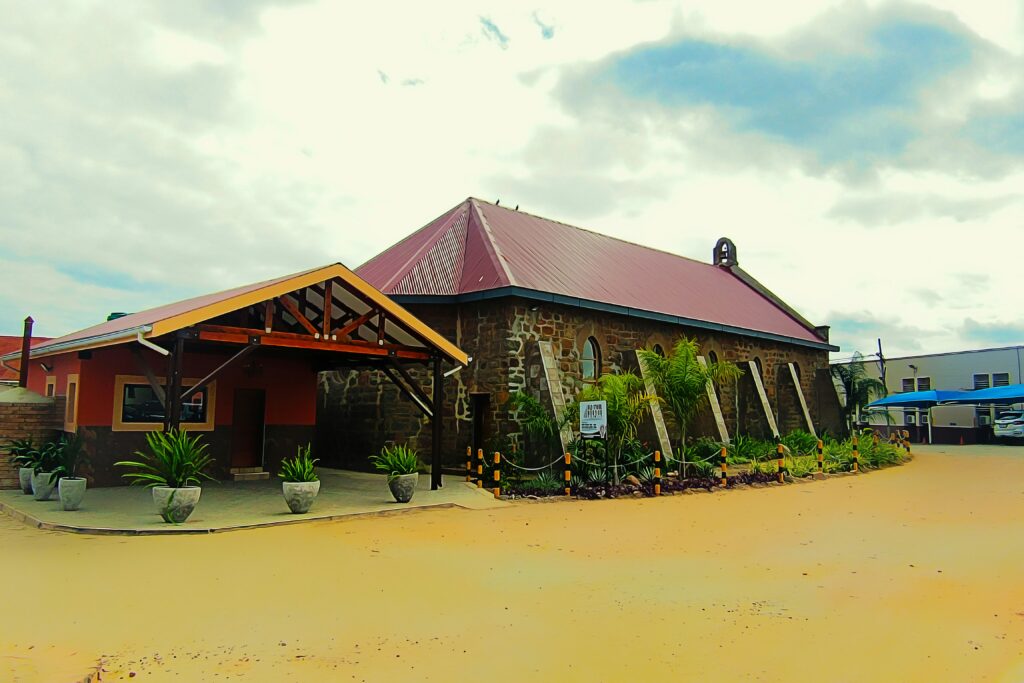
Stellenbosch: The Historic Heartbeat
The Stellenbosch Wine Route isn’t just South Africa’s oldest it’s the original blueprint. Charted in the 1600s, this corridor of deep reds and deeper heritage continues to draw in those who want more than just wine. It’s a mix of old world charm and new world boldness.
You’re spoiled for choice with legendary estates like Spier, known for its approachable blends and art forward spaces. Over at Tokara, you’ll get sleek architecture, luxurious tastings, and sweeping valley views. Then there’s Rust en Vrede, where the reds are serious, the cellars run deep, and dinner can feel like a quiet ceremony between oak barrels and candlelight.
Pairings in Stellenbosch aren’t shy. Bold reds hold their own with flame grilled springbok or rich Cape Malay curries layers of spice, sweetness, and smoke. Beyond the glass, many estates offer cellar tours that double as history lessons, plus sculpture gardens and design galleries that make even the walk back to your car feel refined.
If you’re looking to start your wine journey where it all began, this is the seat of the soul.
Franschhoek: French Influence on African Soil
Tucked into a mountain rimmed valley, Franschhoek was settled by French Huguenots in the 17th century and the influence has never faded. From the whitewashed Cape Dutch buildings to the elegant food and wine pairings, the soul of the place remains unmistakably French, even as it pulses with modern South African flair.
Known as the country’s gastronomic capital, Franschhoek is home to an outsized number of award winning restaurants and boutique wineries for its size. Here, experimental chefs work with local ingredients and classic techniques, turning simple plates into something quietly remarkable. The wine estate experience is equally curated: expect intimate cellar tastings, mountain views, and passionate winemakers who know their vineyards like old friends.
The wine tram is a no rush kind of ride rolling past rows of vines, hop on hop off style. It’s both scenic and strategic, letting visitors taste their way through estates without needing a designated driver.
Order a crisp Chenin Blanc alongside line caught seafood for something that just works. The clean acidity and gentle fruit cut through the richness and salt, balancing every bite. It’s Franschhoek at its best refined, rooted, and quietly unforgettable.
Paarl: Where Heritage Meets Innovation
Paarl doesn’t chase attention it earns it. The region has long been known for its powerhouse reds, especially robust Cabernets and Shiraz, but it’s the spirit of experimentation that keeps things interesting. Winemakers here aren’t afraid to try bold blends or organic methods, like those found at Avondale. Meanwhile, Nederburg’s heritage line leans into tradition without getting stuck in it.
The tasting rooms are just as compelling as the wines. Picture rugged mountain ranges standing guard over manicured vineyards, with centuries old Cape Dutch architecture adding a calm gravity to the setting. It’s a place that wears its history but doesn’t coast on it.
Food in Paarl pulls no punches either. The region’s farm to fork eateries push local ingredients to their limits think open flame cooking, heirloom vegetables, and housemade preserves. It’s honest, elevated dining that matches the boldness of the wines. If you’re chasing a blend of tradition, ambition, and terroir you can actually taste, Paarl delivers.
Hemel en Aarde Valley: The New Cool Climate Star

Tucked just south of Stellenbosch and skirting the Atlantic near Hermanus, the Hemel en Aarde Valley has quietly become one of South Africa’s most exciting wine regions. The name literally means “Heaven and Earth,” and it feels like both.
Here, the ocean’s cool breath drapes the valley, creating ideal conditions for cool climate grapes namely Pinot Noir and Chardonnay. These aren’t your average pours. The wines showcase a crisp minerality and savory edge shaped by the region’s sea air and clay rich soils. It’s a profile that’s turning heads across the globe and steadily climbing Michelin level wine lists.
For those tired of tour buses and tasting rooms packed to the brim, this valley is a welcome escape. Think smaller estates, family run cellars, and a sense of calm that lingers long after the last sip. The drive alone switchbacking through coastal cliffs and fynbos makes the detour worth it.
Beyond the Grapes: Culinary Crossroads
South Africa’s food culture is exactly what you’d expect from a country with deep colonial scars, multiple ethnic intersections, and a coastline that connects it to the rest of the world. It’s not a melting pot it’s more like a plate of carefully arranged small dishes, each one offering its own history, heat, and flavor.
Here, you’ll find braais South African barbecues run over open flame with lamb, boerewors sausage, and chicken rubbed in secret family spice blends. A few steps away, you’ve got Cape Malay curries, rich with cinnamon and clove. Indian migrants brought samosas and masala, while Afrikaans heritage gives us pap en vleis (maize porridge with grilled meat) served without pretension.
What’s happening now in the Winelands is a subtle, deliberate return to ingredients that tell these stories. Chefs aren’t just plating for tourists anymore they’re digging into the soil, buying from hyperlocal farmers, and cooking in rhythm with the land. Sustainability isn’t a marketing line; it’s policy. For travelers in 2026, that means immersive food experiences that wear their roots proudly, without needing to dress them up.
If you’re curious about how diverse food legacies shape unique culinary identities elsewhere, check out Island Flavors: Discovering Authentic Caribbean Food Culture.
Booking Tips and Travel Smarts
To catch the winelands at their best, aim for March to May that’s harvest season, when the vineyards are buzzing and the cellar floors are sticky with crushed grapes. October through December is festival time: vibrant, busy, and ideal if you want to pair your Pinot with live music and food markets.
But don’t assume you can just show up. Tastings, especially the good ones with multi course lunches, book out weeks in advance. If there’s a restaurant or estate you’ve been eyeing on Instagram, lock it in early.
For a deeper, more balanced itinerary, don’t put all your corks in one region. Spend a few days in Stellenbosch, swing through Franschhoek for food pairings, then cut through the mountains to Hemel en Aarde for coastal varietals. Different terroirs, different moods, all worth exploring.
Buying bottles? Check shipping policies before you start stacking purchases in your suitcase. Many estates offer hassle free international delivery it’s practical, and your cabernet won’t break in baggage claim.
2026 Snapshot: Why Now Is the Right Time
There’s no better moment to explore South Africa’s winelands than right now. Sustainability is no longer a trend it’s the backbone. From solar powered cellars to biodynamic farming, vineyards are pushing hard into eco conscious operations. They’re cutting water use, swapping chemical pesticides for natural ones, and finding innovative ways to protect the land while still producing standout vintages.
Post pandemic recovery also means serious upgrades to wine tourism. Roads are better. Lodges are smarter. Tasting rooms are built out with modern flair fewer lines, better views, slicker service. Local governments and private estates alike got the memo: travelers want more than wine; they want ease, sophistication, and experience.
Most striking, though? The fusion. Food, wine, and nature flow together here unlike anywhere else. Picture sipping a cold climate Chardonnay while watching whales breach off the coast, or having a multi course meal overlooking vineyards framed by mountains. In 2026, it’s not just about tasting wine it’s about living the landscape. And South Africa’s doing it best.