Why Tokyo’s Local Food Scene Still Wins in 2026
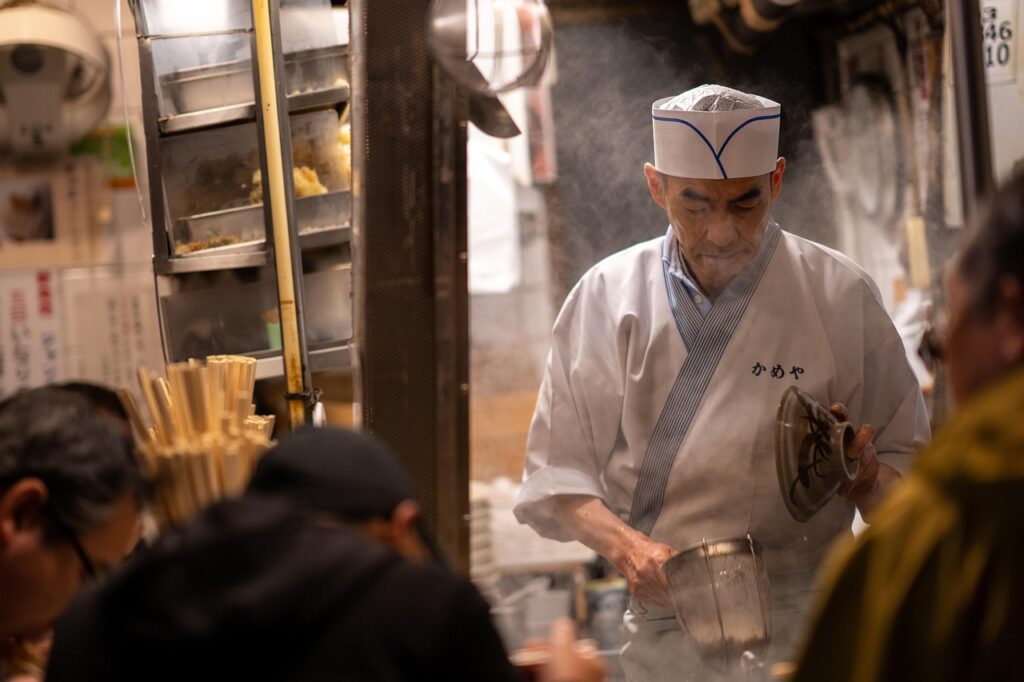
Forget the stars. Tokyo’s real food story is written in back alley kitchens, mom and pop storefronts, and lunch counters that haven’t changed their recipes since the ‘70s. While tourists chase Instagram perfect omakase, locals are lining up outside corner noodle joints and yakitori stalls with folding chairs. The charm? It’s real. It’s quiet. And it’s insanely good.
These aren’t just meals they’re heirlooms. Generations run these places, passing down techniques sharper than their knives. Each neighborhood carries distinct flavors: vinegar punches in the east, miso warmth in the west, off menu flair if you show up twice. You won’t find these nuances in any tourist brochure.
And here’s the kicker it’s affordable. Step outside Shibuya or Ginza and the price of a soul filling meal plummets. Curry rice for under 700 yen. Bento packed with nine side dishes for less than a latte. Tokyo rewards the curious. Wander a little, and you’ll eat like royalty without draining your wallet.
Yanaka: Tradition in Every Bowl
Yanaka isn’t flashy. That’s its power. This old school Tokyo neighborhood keeps it simple with Showa era storefronts, weathered awnings, and a pace that hasn’t changed in decades. Here, it’s less about decor and more about dedication craft passed down from grandparents who never rushed a recipe.
Start your day with a sit down breakfast of airy pancakes served from a closet sized café that only opens before 11. Lunch? Hunt down one of Yanaka’s quiet unagi spots, the kind with no website and a one hour wait. It’s worth it the smoky eel is lacquered in tare that’s been aged longer than most social media platforms have existed.
But the real heart of Yanaka might be its soba joints. Some are over 80 years old, run by families who serve handmade noodles with the kind of broth that tastes like patience. It’s not stylized for Instagram. It’s just damn good food comforting, nourishing, and made exactly the same way it was when your grandparents were kids.
Koenji: Rebel Flavors with a Local Twist
Koenji doesn’t try to impress it just does. This is the neighborhood where second hand vinyl shops sit next to vegan ramen counters, and aging punks nod over cups of cheap sake. It’s not for everyone, and that’s exactly why it works.
Food here runs with the same rebellious streak. Okonomiyaki joints tossing batter onto griddles behind bars too small for Instagram influencers. Sushi counters where you eat standing up, elbow to elbow with locals winding down after a gig. No reservations, no English menus because if you’re here, you’re probably not a tourist.
This is where food nerds and misfits meet: those chasing flavor, not flash. Whether it’s plant based tonkotsu that somehow still hits deep, or izakayas that haven’t changed since the ’80s, Koenji is a flex for people who eat with curiosity, not just hunger.
Tsukishima: Monjayaki and Street Heat
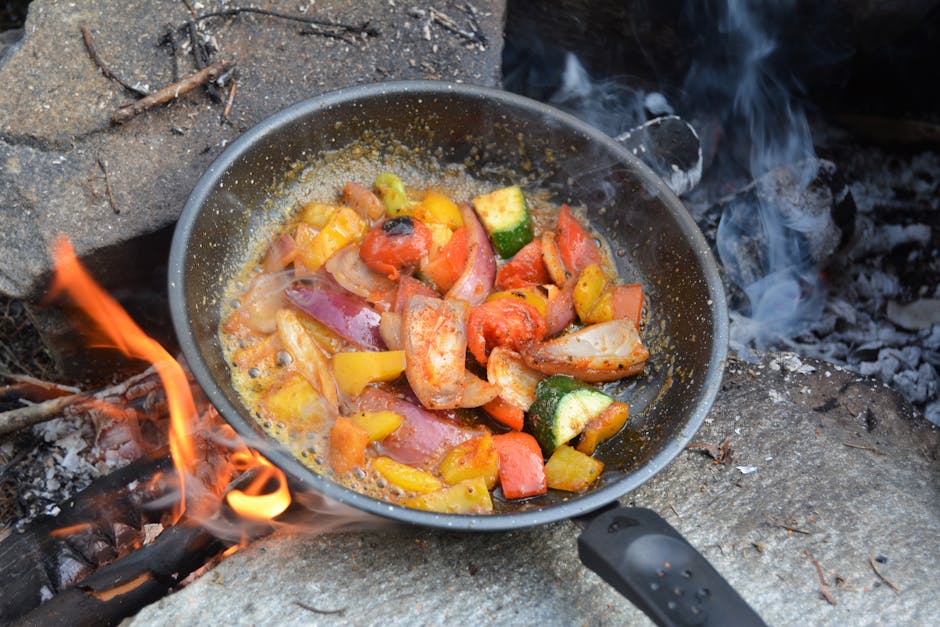
Tsukishima is where you go when you want Tokyo hot off the grill literally. This man made island may not scream foodie haven, but it’s home to Monja Street, a stretch packed with restaurants specializing in monjayaki. Think of it like runny, savory pancake batter, loaded up with ingredients like mochi, squid, or kimchi, cooked right at your table on your own hotplate. Messy? Yes. Delicious? Absolutely.
The charm here is in the experience. You grill it yourself, chatting over the sizzle, maybe burning a few edges on purpose. The shops are small, tight with the smell of sauce and smoke. Most have been around for decades, with regulars who know exactly how crisp they like their monja. Don’t expect flash or fusion here this is down home, Tokyo style comfort food for people who crave routine.
Go during the dinner rush. That’s when the locals pack in after work, trading shop talk between bites and beers. It’s sweaty, loud, and real the kind of night that sticks with you long after the flavor fades.
Shimokitazawa: Night Bites and Indie Cafés
Shimokitazawa isn’t flashy, and that’s the point. Tucked in west Tokyo, it trades skyline views for a slower rhythm secondhand vinyl shops, back alley bookstores, and cafés that feel like someone’s living room. During the day, it’s all about pour over coffee and handwritten menus. After dark, the scene shifts: streets fill with locals chasing fried karaage, steaming takoyaki, and skewers grilled over open flames from food stalls that open just in time for the evening crowd.
Hungry for fusion? Japanese Italian kitchens dot the area, slinging yuzu carbonara and mentaiko pizza. They don’t shout for your attention they just deliver. This neighborhood thrives on small pleasures. It’s perfect for slow afternoons, long eats, and a crate dig through shelves of deep cuts. If you’re the type who wants your meal with a side of analog charm, Shimokita delivers quietly, but with flavor that stays with you.
More Than Sushi and Ramen
You can’t talk about eating local in Tokyo and stop at sushi. The real cultural curveballs are found deep in the street corners and back alleys. Start with natto fermented soybeans that smell like a dare but taste like tradition. Locals swear by it. Add oden to your list, especially in winter: a bubbling pot of broth with daikon, tofu, and mystery fish cakes that warm your bones and your curiosity. And don’t underestimate shiso it sneaks into everything from cocktails to tempura, giving dishes a sharp, herby kick you didn’t know you needed.
For dessert, leave your Western sweet tooth at the gate. Try a dorayaki red bean paste sandwiched between fluffy pancakes. Or go full local with a Japanese style parfait, layered with matcha jelly, mochi, and roasted tea ice cream. These are architectural feats as much as they are desserts.
And then there’s the street food scene. Ignore the neon heavy tourist blocks. Look for skewered tsukune (chicken meatballs) sizzling under covered counters, or a crepe stand turning out fresh hot wraps filled with custard and strawberries. These aren’t Instagram props they’re flavor bombs only locals tend to chase.
Tokyo’s best eats rarely shout for your attention. They’re tucked away, humble, and unforgettable if you bother to look.
Local First: How to Find the Good Stuff
Forget curated lists and viral recs. Tokyo doesn’t need influencers to market its food the city speaks for itself.
Start simple: if you see plastic food models outside a spot, it usually means they welcome everyone including non Japanese speakers. It’s not touristy, it’s considerate. These displays are telltale signs the restaurant’s been serving locals long enough to know clarity helps.
Next rule: lines lie, unless the line is full of office workers or neighborhood regulars. If it’s a pack of people snapping selfies outside or streaming live from the sidewalk, skip it. But if you see locals queued up with briefcases and shopping bags, you’re onto something worth the wait.
And don’t be afraid to ask. Nod at the guy in a suit or the grandma at the next counter and ask, “Osusume wa?” what’s recommended? More often than not, you’ll get an answer, maybe even a grin. Because in Tokyo, respect and curiosity get you further than a map or a food app ever will.
Eat Like You Travel
Tokyo isn’t one city it’s a dozen mini worlds stitched together by train lines and tastes. Each neighborhood tells a different story through food. In Yanaka, you’re chewing on history with hand cut soba. In Koenji, you’re getting low key chaos in a smoky izakaya. Monjayaki in Tsukishima, shiso packed snacks in Shimokitazawa this is how the city talks back to you: one bite at a time.
The golden rule? Don’t chase what feels safe. Lean into the unfamiliar. Whether it’s fermented beans or fish guts on rice, there’s culture behind every bold flavor. Tokyo teaches you through its food. Get it wrong, get curious, ask questions.
Still hungry for adventure? Pack your appetite and head to Mexico next. Here are some Must Try Traditional Dishes in Oaxaca, Mexico to keep your tastebuds on their toes.