
Where the Flavor Hits Different
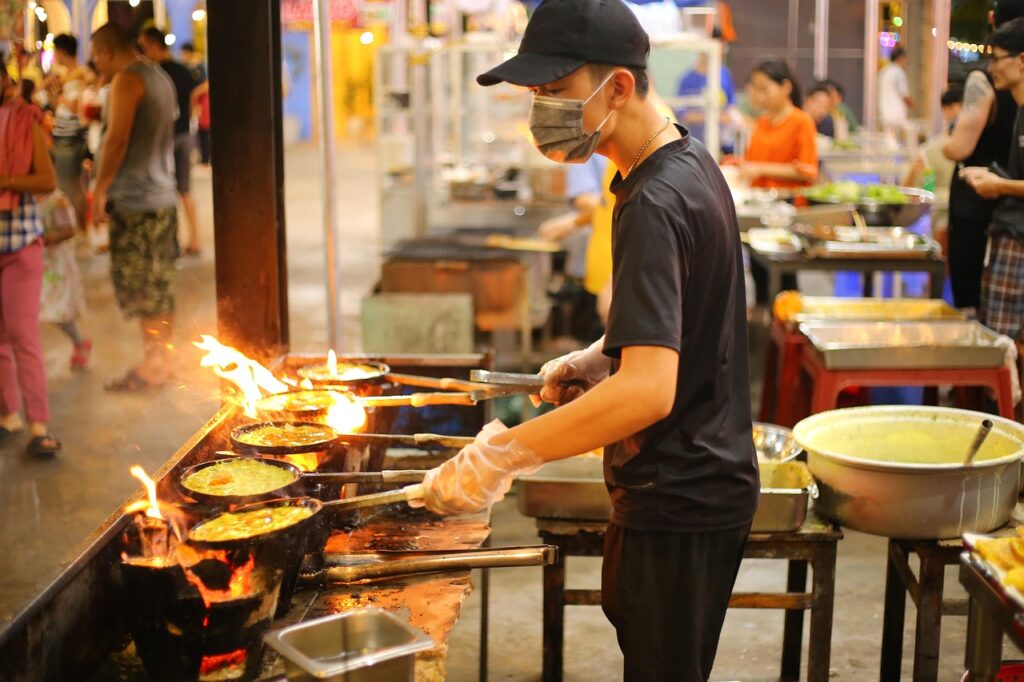
Southeast Asia isn’t just holding its ground in the global street food scene it’s leading it. In 2026, Bangkok, Penang, Hanoi, and Jakarta aren’t just bucket list stops for foodies; they’re the gold standard. Why? Because what’s cooking on the sidewalk here isn’t something that can be copied or franchised. It’s rooted in heritage and powered by sheer hustle.
The food is hyperlocal, shaped by generations of trial and taste. A bowl of laksa in Kuching doesn’t taste like one in Singapore, and that’s exactly the point. Stall owners guard family recipes like treasure, tweaking them daily based on what’s fresh, in season, or selling fast. It’s agile flavor, built on instinct and context the kind no corporate chain can duplicate.
But it’s not just about the food. Street food here fuels the region’s social and economic engine. It’s where locals gather after work, where travelers meet over plastic stools and cold beers, and where tourism boards quietly count foot traffic. Vibrant night markets turn sidewalks into stories, feeding more than just hunger. In Southeast Asia, street food isn’t a trend. It’s the heartbeat.
The Classics You Can’t Miss
Let’s get straight to it: street food in Southeast Asia hits differently. If you’re hunting flavor that punches above its price this is where you start.
Thailand serves up some of the globe’s most iconic curbside dishes. Think Pad Thai hot off a smoky Bangkok wok, curls of Isaan sausage with chili lime kick, and mango sticky rice that feels like dessert and comfort food all in one.
Vietnam? A masterclass in contrast. Crusty, warm Banh Mi stuffed with pickled crunch and savory meats. Bowls of Pho with broth so rich it tastes like it’s been simmering since sunrise. And smoky Bun Cha, grilling over charcoal like it’s a daily ritual because it is.
Malaysia plays with fire and boldness. Char Kway Teow sizzles with wok hei, noodles clashing with seafood, soy, and spice. Nasi Lemak brings soft coconut rice, sambal that makes you sweat, and that balance of crispy and creamy that’s hard to unlove. Midnight satay skewers straight from roadside grills? Say less.
Indonesia delivers soul food with bite. Sate Ayam dusted with crushed peanuts. Gado Gado a mix of crunch and sauce, veggie pride on a plate. And rendang: beef so deeply spiced and tender, it’s more experience than meal.
Pro tip: don’t chase décor, chase crowds. Stalls with locals lining up even if it’s just a plastic stool and a tarp are where you want to be. These vendors aren’t selling trend they’re serving tradition. And that’s what makes them unmissable.
Navigating Food Tours Like a Pro

Street food is all about adventure, but that doesn’t mean tossing caution out the window. If you want flavor without the fallout, follow a few street smart safety rules. First, trust your eyes and nose if it smells off or looks like it’s been sitting too long, move along. Hot and sizzling is your safest bet. Aim for stalls with a crowd; locals know who serves clean and tasty. And yes, wash your hands or carry sanitizer it matters more than you think.
Timing your food run can make or break your experience. Early mornings are goldmines for fresh ingredients and traditional dishes, especially in wet markets. But don’t sleep on the night scene: after dark, hawker stalls and curbside grills come alive with smoke, chatter, and full flavor chaos.
A few small items go a long way: carry small bills and coins (vendors rarely have change), pack tissues (napkins are a luxury), and bring a stomach that’s ready to stretch figuratively and literally.
Level up your hunt with apps like GrabFood, Google Maps reviews, or even street food specific ones like ‘Street Food Czar’ or ‘OpenRice’ depending on the country. Better yet, link up with local food guides. They’ll get you behind the scenes, into the alleys most tourists miss, and toward plates you’ll remember long after the trip ends.
Beyond the Stall: Culinary Culture
Stories Served with Every Bite
Southeast Asian street food is more than just a quick meal it’s tradition on a plate. Many recipes have been passed down through generations, often kept within families or neighborhoods. The technique for perfecting a bowl of Laksa or the exact ratio for a lemongrass marinade? Often guarded secrets, taught over decades.
Generational recipes: Culinary knowledge passed from grandparents to grandchildren
Local pride: Regional rivalries fuel innovation and flavor variation (think: Penang vs. Kuala Lumpur Char Kway Teow)
Rooted identity: Dishes often tell stories of migration, trade, and adaptation
A Shift Toward Conscious Cooking
As the world looks for more sustainable and ethical food practices, Southeast Asian street food isn’t getting left behind. Many vendors are now adapting, blending the old with the new.
Eco forward practices: More stalls are ditching plastic, using banana leaves or biodegradable containers
Modern equipment: Solar powered carts and low waste kitchens are gaining ground
Plant based spins: Traditional meat heavy dishes are being reimagined with tofu, tempeh, and jackfruit to attract younger, health conscious diners
Food as Cultural Bridge
Food has always been a universal language and street food, with its shared tables and open air setting, brings people together faster than most things.
Cultural exchange: A traveler slurping pho alongside locals isn’t just having lunch; they’re participating in a cultural ritual
Social glue: Markets and hawker stalls double as social hubs where generations gather
Diplomacy through dinner: Regional dishes are increasingly being showcased in global food festivals and culinary diplomacy events, reflecting their broader cultural significance
Southeast Asia’s street food culture doesn’t just feed travelers it shapes how they understand the places and people they encounter.
Unexpected Gems and Routes
Skip the tourist traps. If you want the kind of flavor that locks into memory, you need to trace the quiet paths most travelers miss. Cities like Luang Prabang (Laos), Yogyakarta (Indonesia), and Ipoh (Malaysia) deliver street food that punches above its weight bold, rooted, and often overlooked.
In Luang Prabang, early morning markets offer sticky rice grilled inside banana leaves and spice rubbed river fish roasted over open flames. Yogyakarta delivers sweet and salty fusion with Gudeg a young jackfruit stew slow cooked in palm sugar and spices. You won’t find it outside Central Java done right. Meanwhile, Ipoh lays quiet claim to some of Malaysia’s finest eats: silky hor fun in rich chicken broth and kopitiam breakfasts that remind you why simple can still be sublime.
Many of these dishes never make it beyond alleys and carts. They’re hyperlocal, passed down, and tuned to hands that know them intimately. Don’t be surprised if a smoky stall has no name. The flavor speaks louder.
If your food crawl leaves you craving contrast, add depth to your taste journey with something refined. The Wine and Dine Tour of South Africa’s Winelands offers slow indulgence, pairing curated meals with world class vintages. Think of it as the yin to Southeast Asia’s street food yang gravel paths traded for vineyard walks, spice heat swapped out for velvety reds.
Either path you take, the rule holds: follow the locals, chase authenticity, and let your palate lead.
Final Serving: Eat Bold, Travel Smart
When it comes to street food, no guidebook beats your own gut literally and instinctively. If a stall smells right, feels busy, and makes you pause without thinking, try it. Your tongue will tell you fast if you’ve found something great. Still, don’t ignore the basics: hot food should be hot, cold drinks should be sealed, and if that seafood’s been sitting in the sun since breakfast, maybe skip it.
Respect goes a long way too. A nod, a smile, a simple local phrase does more than grease social gears it tells the vendor you see them. Don’t haggle over a dollar when you’re standing in front of someone cooking from a cart in 90 degree heat. They’re feeding you part of their story. Appreciate it.
In the end, not every experience fits inside a suitcase. That buttery roti in Penang or the back alley broth in Hanoi? Those live in your memory, not your backpack. The best takeaways from Southeast Asia’s street food scene aren’t trinkets. They’re the moments your taste buds won’t stop talking about. Trust them.

 Johnister Barkerston writes the kind of culinary travel experiences content that people actually send to each other. Not because it's flashy or controversial, but because it's the sort of thing where you read it and immediately think of three people who need to see it. Johnister has a talent for identifying the questions that a lot of people have but haven't quite figured out how to articulate yet — and then answering them properly.
They covers a lot of ground: Culinary Travel Experiences, Food Festivals and Events, Local Food Spotlights, and plenty of adjacent territory that doesn't always get treated with the same seriousness. The consistency across all of it is a certain kind of respect for the reader. Johnister doesn't assume people are stupid, and they doesn't assume they know everything either. They writes for someone who is genuinely trying to figure something out — because that's usually who's actually reading. That assumption shapes everything from how they structures an explanation to how much background they includes before getting to the point.
Beyond the practical stuff, there's something in Johnister's writing that reflects a real investment in the subject — not performed enthusiasm, but the kind of sustained interest that produces insight over time. They has been paying attention to culinary travel experiences long enough that they notices things a more casual observer would miss. That depth shows up in the work in ways that are hard to fake.
Johnister Barkerston writes the kind of culinary travel experiences content that people actually send to each other. Not because it's flashy or controversial, but because it's the sort of thing where you read it and immediately think of three people who need to see it. Johnister has a talent for identifying the questions that a lot of people have but haven't quite figured out how to articulate yet — and then answering them properly.
They covers a lot of ground: Culinary Travel Experiences, Food Festivals and Events, Local Food Spotlights, and plenty of adjacent territory that doesn't always get treated with the same seriousness. The consistency across all of it is a certain kind of respect for the reader. Johnister doesn't assume people are stupid, and they doesn't assume they know everything either. They writes for someone who is genuinely trying to figure something out — because that's usually who's actually reading. That assumption shapes everything from how they structures an explanation to how much background they includes before getting to the point.
Beyond the practical stuff, there's something in Johnister's writing that reflects a real investment in the subject — not performed enthusiasm, but the kind of sustained interest that produces insight over time. They has been paying attention to culinary travel experiences long enough that they notices things a more casual observer would miss. That depth shows up in the work in ways that are hard to fake.