
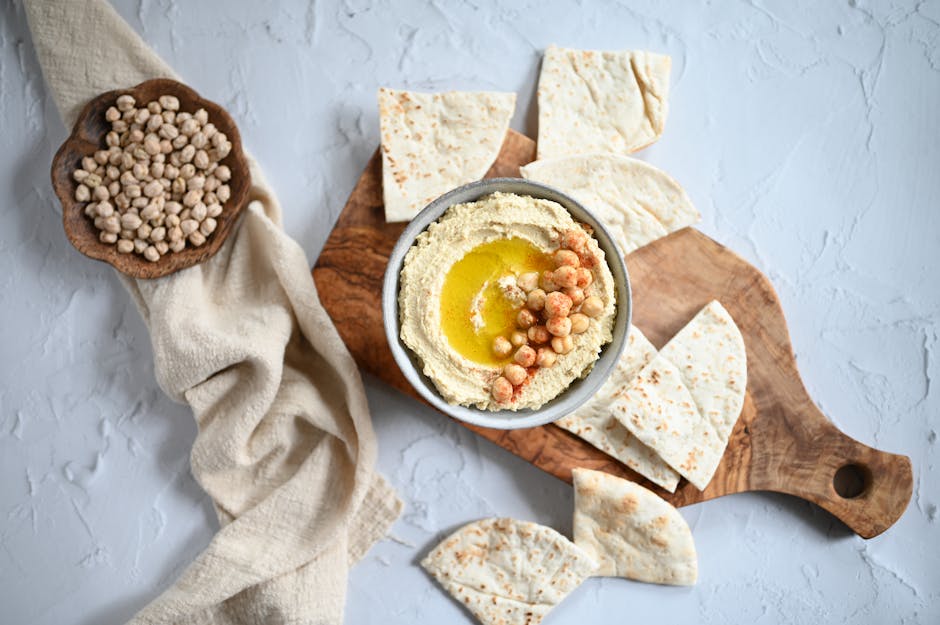
Getting to the Heart of Middle Eastern Food
It’s easy to think Middle Eastern cuisine stops at hummus and kebabs. It doesn’t. The region’s food traditions are far older, far wider, and far more layered than the greatest hits you’ll find on a mezze platter. Stretching from North Africa through the Levant, the Persian Gulf, and into parts of Central Asia, this cuisine has been shaped by a geography of convergence where trade routes met, empires mixed, and religions coexisted. The result? Dishes built from contrast and harmony. Sweet with savory. Acid with earth. Heat with cool.
The spice blends alone tell stories. Think cumin and cardamom warming stews in the Gulf. Sumac adding tart lift to grilled meats in the Levant. Or cinnamon slipping into slow cooked Persian rice. Across the board, you’ll find brightness from lemon and herbs, depth from toasted nuts or tahini, and a strong hand with olive oil. It’s bold food that invites sharing, and rewards attention.
This isn’t just a cuisine it’s a crossroads you can taste.
Pantry Staples That Define the Region
Middle Eastern cuisine is built on a strong foundation of versatile pantry staples. While recipes vary across countries and cultures, a few key ingredients consistently appear at the heart of everyday cooking. These staples provide nutrition, texture, and rich flavor and they’re often used in clever, resourceful ways.
Legumes: Protein Powerhouses
Legumes are essential across the Middle East, offering affordable and often vegetarian protein sources that adapt to a wide range of preparations.
Chickpeas: Often blended into hummus, stewed in tagines, or roasted for snacks
Lentils: Used in soups like Lebanese lentil soup (shorbat adas) or rice dishes such as mujaddara
Fava beans: Central to breakfast staples like ful medames, especially in Egypt
Legumes are not only filling, but they absorb the spices and seasoning so central to the region’s flavors.
Grains & Carbs: The Comfort Base
Grains and starches serve as the canvas for many Middle Eastern dishes, anchoring meals with their subtle texture and soft, comforting bite.
Bulgur: Cracked wheat often used in tabbouleh and kibbeh
Rice: Flavored with cinnamon, allspice, or saffron in pilafs and stuffed vegetable dishes
Couscous: Especially common in North African kitchens quick cooking and highly adaptable
Pita Bread: Thick or thin depending on the region, ideal for scooping dips or wrapping grilled meats
These carbs are rarely plain most are enhanced with nuts, dried fruits, or fragrant seasonings.
Herbs & Aromatics: Freshness and Kick
The boldness of Middle Eastern cuisine doesn’t just come from spices it gets a big boost from fresh herbs and potent aromatics.
Mint, parsley, cilantro: Often chopped fresh and added generously to salads, dressings, and dips
Garlic and onions: Used as a flavor foundation in sautés, slow cooked dishes, and marinades
These herbs and aromatics add brightness, depth, and balance whether they’re blended into a fresh sauce or layered into a simmering stew.
Together, these staples form the backbone of Middle Eastern food: hearty, nutritious, and bursting with flavor.
Signature Spices You’ll Taste Everywhere
Middle Eastern cooking doesn’t hold back on flavor, and spices are the reason why. They’re not decorative they drive the dish. If you’re getting into this cuisine, these are the essentials to know.
Sumac is your new secret weapon if you want acidity without citrus. It’s tart, slightly fruity, and shows up sprinkled over everything from fattoush salads to grilled chicken. It wakes up rich food and balances it without overpowering.
Za’atar is more of a blend than a single spice. Earthy with thyme and oregano, nutty from toasted sesame seeds, and often mixed with sumac for a brightness. It’s rubbed on flatbreads, mixed into olive oil for dips, or even tossed over popcorn for an upgraded snack.
Then there’s the core quartet: cumin, cinnamon, cardamom, and turmeric. These work solo or together, and yes, they blur the line between savory and sweet. You’ll find them doing heavy lifting in stews, rice dishes, and spice rubs warm, grounding, never boring.
Need some heat? Reach for harissa or Aleppo pepper. Harissa is a chili paste deep, smoky, a little sharp often stirred into soups or smeared on meat. Aleppo pepper flakes bring a slow building warmth that lets you taste more than just fire. It’s gentle but firm.
Master these, and you’re not just adding flavor. You’re speaking the language of the region one spoonful at a time.
Core Ingredients Worth Stocking

Some ingredients form the backbone of Middle Eastern cooking found in dish after dish, and often underrated by newcomers. Start with tahini. This toasted sesame paste is more than a garnish; it’s creamy, rich, and quietly powerful. It shows up in dishes like hummus, sauces for grilled meats, and even desserts. Keep a jar on hand, always.
Next up: pomegranate molasses. A little goes a long way. Its sharp, tangy sweet flavor cuts through fatty meats or brightens up a simple vinaigrette. It’s the kind of bottle that lives in your fridge door and instantly upgrades anything it touches.
Then there’s labneh yogurt taken seriously. Thick, tangy, creamy. It’s not just a dip (though it’s perfect with olive oil and za’atar), but a stealthy addition to flatbreads, sandwiches, or even breakfast bowls.
And don’t forget the oil. Olive oil isn’t just drizzled it’s poured. Especially in Levantine cuisine, it’s both seasoning and cooking fat. Go for the good stuff: grassy, peppery, deep. Around here, it’s not garnish it’s glue.
Regional Variations and Standout Dishes
Middle Eastern cuisine is far from monolithic. Each region brings its own way of layering flavors. The Levant think Lebanon, Syria, Jordan, and Palestine leans on freshness. Tabbouleh, bright with parsley and lemon. Kibbeh, meat and bulgur shaped into torpedoes or trays. And manakish, Levantine flatbread sprinkled with za’atar or cheese, made for mornings.
Persian cuisine takes elegance up a notch. Saffron has a starring role, tinting rice a deep yellow and scenting it softly. Meats are grilled or stewed with dried limes, which add quiet intensity. It’s food that simmers longer, pauses more.
From the Gulf, the food gets bolder. Dishes like machboos (spiced rice with meat or fish) hit hard with cardamom, clove, and dried lemon. The flavors are less acidic, more fragrant, built to fill and warm.
Then there’s North Africa especially Morocco where couscous isn’t a side, it’s the centerpiece. Dishes use preserved lemon, olives, and ras el hanout, a complex spice mix that can include rose petals, cinnamon, and cumin. Rich, layered, not shy.
What ties them together? Comfort wrapped in complexity. And spices that do more than just taste good they tell stories.
Where Middle Eastern Meets Global
Immigration brings more than language and labor it brings flavor. Across Europe and the Americas, Middle Eastern diasporas have dropped anchor and reshaped local food maps. You’ll find Turkish German döner joints in Berlin rubbing shoulders with vegan falafel bars. In Paris, Syrian chefs are threading pistachio and rose water into French pastries. Across North America, shawarma joins Taco Tuesday as a weeknight regular.
The fusion isn’t always flashy. Sometimes it’s subtle like Lebanese spices blending with classic Peruvian rotisserie chicken, or Palestinian za’atar sprinkled over Canadian brunch staples. The real shift is in how these kitchens borrow and reinterpret with intent. Fusion isn’t a trend anymore it’s the new baseline.
Worth noting: parts of Latin America have embraced these influences on their own terms. Take Argentina. The cuisine leans heavy on beef and slow roasting. It’s not big on heat, but it’s built for depth. Middle Eastern cooking fits right in here, especially with mutual respect for grilling, marinades, and family style spreads. More on that interplay here: what to eat in Argentina.
Bottom line wherever there’s movement, there’s culinary evolution. And Middle Eastern flavors are making themselves at home all over.
Sharpening Your Palate in 2026
Getting your hands on real deal Middle Eastern ingredients is easier than it used to be. You don’t need to live next to a specialty grocer anymore many of them have moved online, shipping staples like za’atar, sumac, and date syrup straight to your door. Smaller, family run markets are building solid e commerce options, letting you support local without leaving the house.
Cookbooks from regional chefs are also having a moment. These aren’t sanitized versions of home cooking; they’re bold, specific, and full of context. Whether it’s a Palestinian grandmother’s recipe passed down through generations or a Syrian chef reinterpreting tradition for a new audience, these books are packed with techniques, ingredients, and real culinary storytelling.
If you’re going to cook Middle Eastern food, don’t go halfway. Use the spices. Use the herbs. Layer flavors like you’re building a story. Many of these dishes aren’t complex because they’re fancy they’re complex because they’ve been perfected over centuries. No part of the process is accidental. Add the garlic, toast the cumin, and let the mint carry some of the weight. Your kitchen will thank you.

 Johnister Barkerston writes the kind of culinary travel experiences content that people actually send to each other. Not because it's flashy or controversial, but because it's the sort of thing where you read it and immediately think of three people who need to see it. Johnister has a talent for identifying the questions that a lot of people have but haven't quite figured out how to articulate yet — and then answering them properly.
They covers a lot of ground: Culinary Travel Experiences, Food Festivals and Events, Local Food Spotlights, and plenty of adjacent territory that doesn't always get treated with the same seriousness. The consistency across all of it is a certain kind of respect for the reader. Johnister doesn't assume people are stupid, and they doesn't assume they know everything either. They writes for someone who is genuinely trying to figure something out — because that's usually who's actually reading. That assumption shapes everything from how they structures an explanation to how much background they includes before getting to the point.
Beyond the practical stuff, there's something in Johnister's writing that reflects a real investment in the subject — not performed enthusiasm, but the kind of sustained interest that produces insight over time. They has been paying attention to culinary travel experiences long enough that they notices things a more casual observer would miss. That depth shows up in the work in ways that are hard to fake.
Johnister Barkerston writes the kind of culinary travel experiences content that people actually send to each other. Not because it's flashy or controversial, but because it's the sort of thing where you read it and immediately think of three people who need to see it. Johnister has a talent for identifying the questions that a lot of people have but haven't quite figured out how to articulate yet — and then answering them properly.
They covers a lot of ground: Culinary Travel Experiences, Food Festivals and Events, Local Food Spotlights, and plenty of adjacent territory that doesn't always get treated with the same seriousness. The consistency across all of it is a certain kind of respect for the reader. Johnister doesn't assume people are stupid, and they doesn't assume they know everything either. They writes for someone who is genuinely trying to figure something out — because that's usually who's actually reading. That assumption shapes everything from how they structures an explanation to how much background they includes before getting to the point.
Beyond the practical stuff, there's something in Johnister's writing that reflects a real investment in the subject — not performed enthusiasm, but the kind of sustained interest that produces insight over time. They has been paying attention to culinary travel experiences long enough that they notices things a more casual observer would miss. That depth shows up in the work in ways that are hard to fake.