
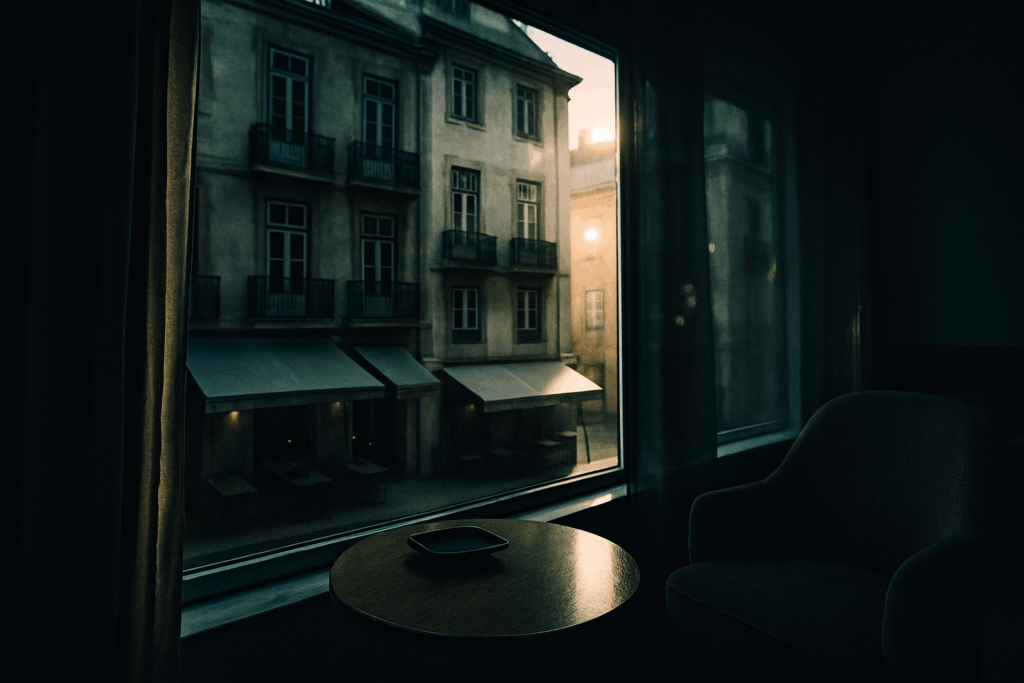
Spotting a Culinary Treasure in Lisbon
Forget polished Instagram posts and inflated TripAdvisor reviews. Real hidden gems rarely advertise. They whisper. A handwritten menu taped to the door. A smell wafting down the alley that stops you mid step. A dining room that seats twelve, half of whom call the chef by name.
What makes a restaurant qualify as a true gem isn’t hype it’s heart. Quality ingredients cooked with intention. A team that cares more about flavor than foot traffic. Meals that feel like stories you weren’t supposed to hear, but are glad you did. The service might be slow. The décor might be dated. But the food hits differently.
If you want signals beyond the TripAdvisor echo chamber, look for locals ordering without glancing at the menu. Listen for clinking silverware instead of staged selfies. One key sign you’re onto something: no photos on the menu, and no English translations. They expect you to ask. That’s the point.
Lisbon, as it turns out, is packed with places like this. A tide of tradition woven into off the radar kitchens. It’s a city where second generation fishermen serve grilled sardines four blocks from Michelin chefs and both have soul. The real prize isn’t always posted online. It’s cooked daily, scribbled in chalk, and gone by sunset.
For more on what makes these places true culinary treasure finds, follow the locals and your nose.
Alfama’s Untouched Corners
Alfama, one of Lisbon’s oldest neighborhoods, is a labyrinth of cobblestone streets, azulejo tiled facades, and soulful Fado echoing from open windows. It’s also a treasure trove of authentic eateries quiet, unassuming spots that capture the true flavor of Portuguese home cooking.
Why Alfama’s “Tascas” Are Worth the Hunt
Local “tascas” may not have sleek branding or Instagram buzz, but what they lack in flash, they make up for with deep rooted tradition and unforgettable flavors.
Look for these signs you’ve found a real gem:
A chalkboard menu handwritten and in Portuguese
A grill out front, working overtime come lunchtime
Locals lingering over lunch, laughing over tiny glasses of ginjinha
What to Order
Alfama’s kitchens run on simplicity and soul. Go for traditional dishes prepared just like grandma makes them.
Grilled sardines: Charred to perfection, seasoned with sea salt, and served with boiled potatoes or bread
Homemade ginjinha: A local cherry liqueur often made in house with generations old recipes
Caldo verde: A comforting kale and chorizo soup often served as a starter
Where to Sit for That “I Live Here” Feeling
It’s not just what you eat but where you eat it. Alfama gives you no shortage of places to soak in a local experience:
Family run taverns tucked into alleyways with three or four tables
Restaurants where the chef is also your waiter and hugs are part of the service
Quiet patios under drying laundry, where you’re more guest than customer
Skip the pamphlets and avoid the crowds Alfama’s hidden corners reward those who explore slowly, eat curiously, and follow the scent of grilled fish in the air.
Mouraria’s Secret Flavors
If you’re looking for something Lisbon keeps tucked in its back pocket, head into Mouraria. This neighborhood isn’t shy about its roots Arab, African, and Portuguese influences run deep here. But what most people miss is the quiet brilliance of Mozambican Portuguese fusion cooking slipping out of nondescript kitchens.
Forget flashy signs and long menus. The spots worth your time are easy to walk past: one room eateries with low lighting and staff who treat regulars like family. Dishes are built slow and honest. Think: smoky chargrilled prawns with peri peri that actually bites back. Or rich, earthy matapa cassava leaves and peanut sauce, thick enough to feel like comfort. Chicken coconut curry? Probably the best one you’ve never heard of but will daydream about later.
You’ll want to check out Cantinho do Aziz quietly famous among locals, but still low profile enough to feel like a find. Another standout is Zambeze, perched a bit higher up, where the view matches the depth of flavor.
If you’re the type who chases balance heat, depth, sweetness, soul this pocket of Lisbon delivers. No frills, no fuss. Just honest food with roots that reach across continents and straight into the bowl.
Campo de Ourique’s Neighborhood Favorites
Campo de Ourique doesn’t do flashy. This neighborhood doesn’t beg for likes or chase limelight it just shows up and delivers. You won’t find velvet ropes or influencers filming over cocktails. What you will find: seasoned locals, tile lined dining rooms, and dishes that stick with you long after the plate’s been cleared.
Start with the alheira a smoky, garlicky sausage with a story that goes back centuries. Here, it’s crisped just right, usually paired with a runny egg and a mountain of fries. Another must order: bacalhau com natas (codfish with cream). Rich, comforting, and built on quiet confidence rather than flair.
And the wine list? Quietly brilliant. No showboating sommeliers, just thoughtful pairings chosen by people who understand the food. A light Dão red with the alheira, maybe a mineral forward Vinho Verde with the cod. It’s not rebellious it just works. This is the kind of place you come back to without needing a reason.
Bairro Alto (But Not Where You Think)
Look Beyond the Party Streets
Bairro Alto is known for its nightlife, but if you venture uphill away from the neon signs and crowds you’ll discover a more authentic side of this iconic Lisbon neighborhood. This quieter section is home to independently run bistros that are easy to miss but unforgettable once found.
Located on the northern slope of Bairro Alto’s hill
Fewer tourists, more locals enjoying quiet meals
Streets lined with small, family owned spots
Handwritten Menus, Homestyle Meals
One clue you’re in the right place? Handwritten chalkboard menus outside the door. These usually change daily, reflecting what’s fresh and available that morning. It’s a sign that the restaurant puts care into curation, not just presentation.
Chalkboards with daily specials (look for terms like “prato do dia”)
Honest, unfussy presentation of traditional recipes
Cozy interiors that feel more like home kitchens than restaurants
Try the Pork Thank Us Later
One standout? A tiny, cost friendly bistro tucked near the top of Rua da Rosa. It’s known among locals for its slow roasted pork, cooked overnight and served simply with roasted potatoes or rice, and a spoonful of pan juices. No frills, just deep flavor.
Low prices, high quality
A must try: slow roasted pork (often listed as “porco assado”)
Best enjoyed with a glass of house wine
Pro Tip: These spots often don’t take reservations, so arrive early or be ready to wait a little. Trust us it’s more than worth it.
When You Crave Global, Not Just Local
Lisbon’s food story isn’t just bacalhau and bifanas anymore. Immigrant owned kitchens are rewriting the city’s menus in ways that tourists rarely notice but locals are learning to crave. There’s a ramen spot tucked into a quiet side street near Intendente. No neon signs. Just steam fogged windows, bone broth that simmers for 18 hours, and a cook who came here from Osaka by way of Berlin. If you blink, you’ll miss it. But sit at the counter, and the depth of flavor tells you everything.
Then head a bit east to Arroios, where a family run Lebanese grill is working with a charcoal pit and a lot of heart. The place has no Instagram but always fills up by 8 p.m. a quiet testament to quality. Hummus isn’t plated fancy, but it’s creamy and sharp. Lamb skewers come smoky, kissed by spice, served with laughter and stories of Beirut.
These spots are more than restaurants. They’re part of the patchwork that’s changing Lisbon’s food map one bowl, one skewer at a time. Beyond the hype, they’re driven by people chasing opportunity and bringing generations of flavor with them. You can taste it. That’s the point.
Before You Go
Before wrapping up your culinary journey through Lisbon, keep a few simple habits in mind they could lead you to your most memorable meal yet.
Trust the Chalkboard
One of the best kept secrets among locals is the handwritten chalkboard menu. These usually list:
Daily specials made with whatever ingredients were freshest at the market
Signature dishes offered at unbeatable prices
Regional favorites that may not appear on the printed menu
These menus reflect what the chef truly wants to cook that day it’s a small but powerful clue that you’re in the right place.
Order the “Prato do Dia”
The “Prato do Dia” (dish of the day) isn’t just an affordable option it’s where many chefs put extra heart and creativity. You might come across:
Slow cooked stews you won’t find at dinner service
Seafood dishes featuring just caught fish
Homestyle comfort meals like stuffed peppers or caldo verde
Make Space for Connection
Hidden gems are often humble, family run spots where hospitality matters just as much as flavor. To uncover the real magic:
Take time to chat with the servers or owners
Ask how a dish is made or where the ingredients come from
Show curiosity locals are often proud to share their stories and food traditions
By slowing down and engaging with your surroundings, you turn a simple meal into an authentic experience and maybe even discover a new favorite dish in the process.
Discover even more culinary treasure finds by traveling with intention, not just appetite.

 Cindy Thorntonesion writes the kind of global cuisine guides content that people actually send to each other. Not because it's flashy or controversial, but because it's the sort of thing where you read it and immediately think of three people who need to see it. Cindy has a talent for identifying the questions that a lot of people have but haven't quite figured out how to articulate yet — and then answering them properly.
They covers a lot of ground: Global Cuisine Guides, Local Food Spotlights, Recipe Ideas and Tips, and plenty of adjacent territory that doesn't always get treated with the same seriousness. The consistency across all of it is a certain kind of respect for the reader. Cindy doesn't assume people are stupid, and they doesn't assume they know everything either. They writes for someone who is genuinely trying to figure something out — because that's usually who's actually reading. That assumption shapes everything from how they structures an explanation to how much background they includes before getting to the point.
Beyond the practical stuff, there's something in Cindy's writing that reflects a real investment in the subject — not performed enthusiasm, but the kind of sustained interest that produces insight over time. They has been paying attention to global cuisine guides long enough that they notices things a more casual observer would miss. That depth shows up in the work in ways that are hard to fake.
Cindy Thorntonesion writes the kind of global cuisine guides content that people actually send to each other. Not because it's flashy or controversial, but because it's the sort of thing where you read it and immediately think of three people who need to see it. Cindy has a talent for identifying the questions that a lot of people have but haven't quite figured out how to articulate yet — and then answering them properly.
They covers a lot of ground: Global Cuisine Guides, Local Food Spotlights, Recipe Ideas and Tips, and plenty of adjacent territory that doesn't always get treated with the same seriousness. The consistency across all of it is a certain kind of respect for the reader. Cindy doesn't assume people are stupid, and they doesn't assume they know everything either. They writes for someone who is genuinely trying to figure something out — because that's usually who's actually reading. That assumption shapes everything from how they structures an explanation to how much background they includes before getting to the point.
Beyond the practical stuff, there's something in Cindy's writing that reflects a real investment in the subject — not performed enthusiasm, but the kind of sustained interest that produces insight over time. They has been paying attention to global cuisine guides long enough that they notices things a more casual observer would miss. That depth shows up in the work in ways that are hard to fake.