
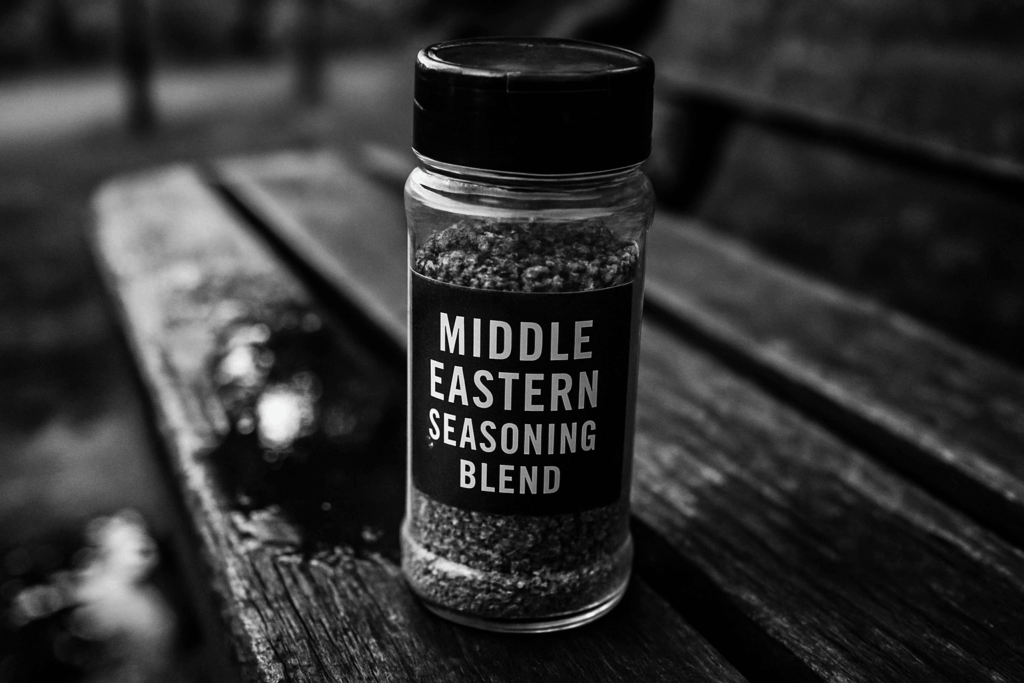
Why Spices Matter in Middle Eastern Cuisine
Middle Eastern cooking isn’t just known for its vibrant colors and bold ingredients it’s rooted in the artful use of spices. While spices are universally appreciated in global cuisines, they hold a particularly meaningful place in Middle Eastern food culture.
More Than Just Flavor: A Cultural Pillar
Spices are a cornerstone of everyday meals and ceremonial feasts alike. Their use is tied deeply to regional identity and generational knowledge.
Family traditions often rely on specific spice blends passed down through generations
Cultural rituals, such as preparing spiced coffee or celebratory rice dishes, reinforce social bonds
Regional variance in spice combinations reflects the diversity within Middle Eastern countries
Layering, Not Overpowering
Spice usage in Middle Eastern cuisine is about building complexity, not simply adding heat or intensity. A dish might feature four or more spices but each is added with intention.
Flavor layering adds depth without letting any one spice overwhelm the dish
Balanced cooking allows secondary notes like citrus tang or floral sweetness to shine through
Harmonizing rather than masking is the ultimate goal
A Deep Connection to Traditional Flavors
Many of the most iconic dishes in the Middle East are celebrated not just for their ingredients, but for the distinctive spices that define them. These flavors link modern meals to centuries old culinary heritage.
For a more detailed look at the ingredients that shape regional identities, explore this guide on traditional food flavors.
Cumin: The Earthy Backbone
Cumin is never there to show off. It’s warm and nutty with a touch of bitterness an earthy anchor that shows up in some of the region’s best loved dishes. Think slow cooked lamb, chickpea stews, and rice with just the right edge of spice. It doesn’t hit loudly, but it lingers in the background, tying flavors together.
You’ve got two main forms: whole seeds and ground. Whole cumin works best when you’re toasting spices or starting a dish with sizzling oil it cracks open and releases a fuller, deeper aroma. Ground cumin, on the other hand, mixes better into marinades, rubs, or quick sauces. If you want bold flavor without dealing with texture, go ground.
Cumin rarely travels alone. It plays especially well with coriander, adding brightness to its depth. Cinnamon adds warmth and sweetness that evens out cumin’s edge. Garlic is a classic sidekick together, they build the savory backbone for dozens of Middle Eastern dishes, from köfte to mujaddara. Used right, cumin disappears into the dish until it’s exactly what you notice was missing.
Sumac: Tangy, Bright, and Underrated
Sumac is a deep red purple spice made from dried and ground berries that grow wild throughout the Middle East and parts of the Mediterranean. Before refrigeration and mass citrus trade, people didn’t have steady access to lemons so they turned to sumac. Its flavor hits with clean acidity that’s sharp but not sour, almost like a citrus zest without the juice.
In dishes like fattoush or grilled kebabs, sumac steps in confidently where lemon might usually go. It cuts through fat, lifts fresh vegetables, and delivers tartness without drowning a salad in liquid. That makes it ideal for dry spice rubs, marinades, or a sprinkle straight over hot dishes right before serving. Simple to use, hard to forget it’s one of those underrated staples that earns regular shelf space for anyone cooking Middle Eastern food seriously.
Za’atar: A Blend, Not Just a Spice

Za’atar isn’t a single spice it’s a blend, often homemade and fiercely regional. At the core, it usually includes dried oregano, thyme, sumac, and toasted sesame seeds. Some versions lean more herby, others more tangy or nutty. It’s a pantry essential across much of the Levant, where it’s as likely to be sprinkled on labneh as it is folded into man’ousheh dough.
Most commonly, za’atar is set out on the table as a seasoning, or mixed with olive oil to create a dip for warm bread. That alone can be breakfast, lunch, or a snack. And while the base ingredients stay fairly steady, every family, bakery, or village might tweak the mix some toss in marjoram or add salt, others grind their own sumac fresh.
It’s more than a flavor it’s a ritual. Simple, sharp, earthy, and deeply local. Understanding za’atar isn’t just about knowing what’s in it it’s about seeing how a few ingredients can anchor a culture’s way of eating.
Cardamom and Cinnamon: Aromatic Sweet Meets Savory
In Middle Eastern kitchens, cardamom and cinnamon do a lot of heavy lifting often in unexpected ways. Cardamom isn’t just a dessert spice; it shows up strong in morning rituals. Brewing bitter coffee with crushed green cardamom pods softens the edge and adds depth. In rice pilafs, especially Gulf styles, it folds into the background, giving warmth without overpowering. And when dessert finally hits the table whether it’s semolina cakes or custard like puddings cardamom completes the picture.
Cinnamon, on the other hand, gets more serious treatment. It’s a key note in hearty savory dishes, especially in North African and Iraqi stews. Think slow cooked lamb with prunes, onions, or tomatoes it’s robust, aromatic, and works well with cumin and garlic. Cinnamon doesn’t scream “sweet.” In these dishes, it grounds the meat with a mellow, woody backdrop.
This balance between sweet and savory is a defining trait in Middle Eastern flavor building. These spices aren’t dumped in for a one note finish. They’re layered in, often early in cooking, giving food a rich, round warmth that’s more about harmony than contrast. Used right, cinnamon and cardamom give your dishes a signature aroma and complexity that’s hard to fake.
Turmeric and Saffron: Color and Subtle Contrast
Middle Eastern kitchens rely on more than just bold flavors they embrace vibrant color and delicate depth. Turmeric and saffron are two essential spices that bring much more than taste: they add visual warmth and cultural weight to countless traditional dishes.
Turmeric: Warm, Grounded, and Everyday
With its golden hue and earthy profile, turmeric is a staple in rice dishes, soups, and slow cooked stews. It’s not overpowering, but it plays a quiet and consistent role in deepening flavor.
Offers a warm, slightly peppery base
Enhances both the color and richness of dishes
Commonly used in lentil soups, rice, and spiced broths
Maximizing Flavor:
To boost turmeric’s depth:
Heat it gently in oil before adding other ingredients
Use alongside black pepper to improve absorption
Add early in cooking for the best color and aroma
Saffron: Fragrant Threads with Cultural Status
Saffron is among the most prized spices in Middle Eastern cooking. Just a few delicate threads can elevate a dish, infusing it with aroma, subtle bitterness, and a striking golden tint.
Used in rice dishes, stews, and even drinks like saffron tea
Symbol of hospitality and celebration in Persian, Gulf, and Levantine cuisines
Proper Technique: How to Bloom Saffron
To release saffron’s full potential:
Gently crush threads with a mortar and pestle
Soak in warm (not boiling) water for 10 15 minutes
Add the infusion liquid and all toward the end of cooking
Balancing the Two
Turmeric and saffron serve different roles:
Turmeric is bold, everyday, and best for body
Saffron is luxurious, reserved for nuance and ceremony
Used thoughtfully, together they create a distinct contrast: grounding earthiness with refined, fragrant highlights.
Coriander, Cloves, and Beyond
Middle Eastern cuisine relies on a diverse mix of spices, each bringing its own signature flavor and depth. This section highlights three versatile and powerful categories: herbal citrusy notes, bold aromatics, and regional essentials rarely found elsewhere.
Coriander: Citrus Notes with Depth
Coriander offers a fresh, lemony brightness that cuts through richness and enhances both meat and vegetable dishes.
Flavor profile: Light, citrusy, slightly sweet
Popular uses:
Ground into spice blends for stews and sauces
Used whole or crushed in pickles and dry rubs
Toasted to release aromatic oils before grinding
Cloves: Bold Flavor in Small Doses
Cloves are incredibly potent, so they’re used sparingly but they deliver warmth and intensity where needed. Often paired with sweeter or meaty elements.
Flavor profile: Sweet, warm, pungent
Ideal for:
Marinades for lamb or beef
Spiced teas and traditional stews
Rice dishes where a single clove imparts deep aroma
Regional Classics: Nutmeg, Black Lime, and Allspice
Some spices may be lesser known globally, but are prized in many Middle Eastern kitchens:
Nutmeg: Adds complexity to creamy or meat based dishes (often found in kofta or béchamel based recipes)
Black lime (loomi):
Dried and powdered or used whole
Imparts a smoky, tangy scent
Common in Gulf cuisine, especially in soups and slow cooked meats
Allspice:
A staple in Levantine spice mixes
Blends cinnamon, clove, and nutmeg notes
Adds a warm depth to rice, stuffing, and grilled meats
Takeaway
These spices aren’t just about flavor they carry stories, regional identities, and culinary history in every pinch. Used thoughtfully, they transform simple ingredients into signature Middle Eastern specialties.
Final Word on Flavor
Spices in Middle Eastern cooking do more than season food they tell stories. Passed down through generations, each blend, sprinkle, and infusion carries with it geography, history, and taste memory. Cumin and coriander aren’t just pantry staples; they echo trade routes, family kitchens, and rituals that define identity. Even the way they’re used from dry rubs to slow blooms in oil speaks to a tradition of care and purpose.
But tradition doesn’t mean static. Home cooks and chefs across the Middle East continuously reinterpret old favorites. A pinch more sumac here, a twist on classic za’atar there. This isn’t experimentation for novelty’s sake; it’s evolution guided by roots. The past isn’t just preserved it’s used as a starting point for something sharper, deeper, more personal.
For a deeper dive into how regional ingredients shape Middle Eastern flavors, check out traditional food flavors.

 Cindy Thorntonesion writes the kind of global cuisine guides content that people actually send to each other. Not because it's flashy or controversial, but because it's the sort of thing where you read it and immediately think of three people who need to see it. Cindy has a talent for identifying the questions that a lot of people have but haven't quite figured out how to articulate yet — and then answering them properly.
They covers a lot of ground: Global Cuisine Guides, Local Food Spotlights, Recipe Ideas and Tips, and plenty of adjacent territory that doesn't always get treated with the same seriousness. The consistency across all of it is a certain kind of respect for the reader. Cindy doesn't assume people are stupid, and they doesn't assume they know everything either. They writes for someone who is genuinely trying to figure something out — because that's usually who's actually reading. That assumption shapes everything from how they structures an explanation to how much background they includes before getting to the point.
Beyond the practical stuff, there's something in Cindy's writing that reflects a real investment in the subject — not performed enthusiasm, but the kind of sustained interest that produces insight over time. They has been paying attention to global cuisine guides long enough that they notices things a more casual observer would miss. That depth shows up in the work in ways that are hard to fake.
Cindy Thorntonesion writes the kind of global cuisine guides content that people actually send to each other. Not because it's flashy or controversial, but because it's the sort of thing where you read it and immediately think of three people who need to see it. Cindy has a talent for identifying the questions that a lot of people have but haven't quite figured out how to articulate yet — and then answering them properly.
They covers a lot of ground: Global Cuisine Guides, Local Food Spotlights, Recipe Ideas and Tips, and plenty of adjacent territory that doesn't always get treated with the same seriousness. The consistency across all of it is a certain kind of respect for the reader. Cindy doesn't assume people are stupid, and they doesn't assume they know everything either. They writes for someone who is genuinely trying to figure something out — because that's usually who's actually reading. That assumption shapes everything from how they structures an explanation to how much background they includes before getting to the point.
Beyond the practical stuff, there's something in Cindy's writing that reflects a real investment in the subject — not performed enthusiasm, but the kind of sustained interest that produces insight over time. They has been paying attention to global cuisine guides long enough that they notices things a more casual observer would miss. That depth shows up in the work in ways that are hard to fake.