
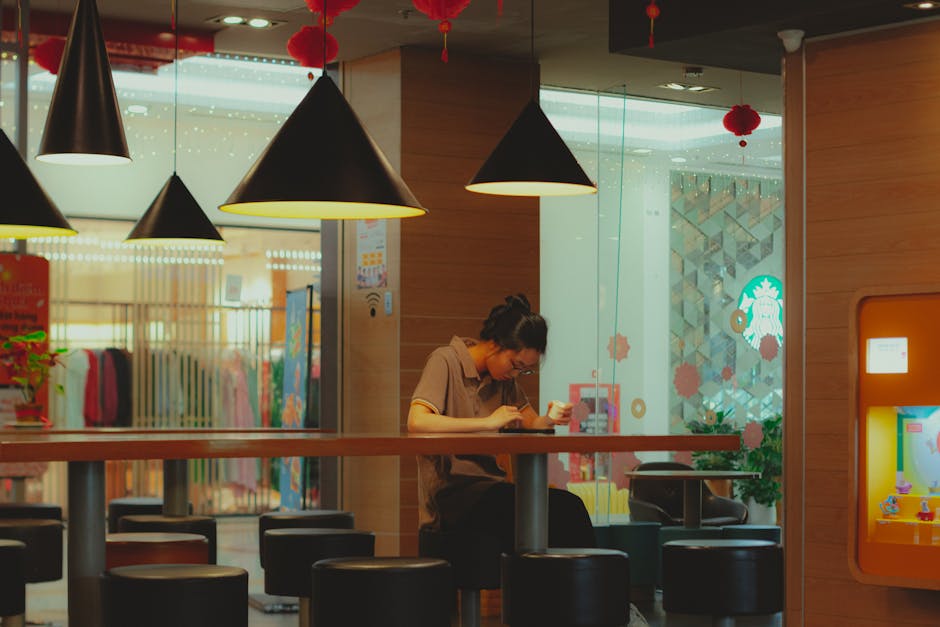
Why Dining Alone Can Be a Game Changer
Solo dining might sound awkward at first, but the freedom it offers is unbeatable. You choose the restaurant. You decide when to eat. You take your time or don’t without having to sync with someone else’s hunger level or mood. That kind of autonomy is rare, and honestly, refreshing.
Beyond the logistics, eating alone builds presence. It puts you in the moment. You notice the texture of the bread, the hum of the room, the way light shifts on a glass. You’re not performing for anyone. You’re just there and that confidence spills into other parts of your trip, and your life.
This isn’t about being lonely. It’s about showing up for yourself. Traveling alone doesn’t mean you’re missing something; it means you’re owning the experience. Dining solo is just one way to prove it.
Mindset First
That weird feeling you get walking into a restaurant alone? It’s normal but not solid ground to stand on. The truth is, most people are too wrapped up in their own meals, conversations, or screens to notice what you’re doing. The idea that everyone’s watching you? Scrap it. You’re not a side show. You’re just someone grabbing food and there’s nothing odd about that.
The mental switch from “I look awkward” to “I make my own adventure” changes everything. You’re not alone, you’re choosing this. Reframe solo dining as a moment to check in with yourself. Bring a notebook, open your camera roll, jot thoughts down. Or do nothing and just watch the world move. Cafés and bistros become tiny stages, and you get front row seats. Once the nerves fade, you’ll see it clearly: this is time well spent, not time to get through.
Choosing the Right Spots
Not all restaurants are built for solo diners but the right ones make all the difference. Look for places with bar seating, open kitchens, or communal tables. These setups naturally shift the focus away from the fact that you’re dining alone. At a counter or bar, you’ve got something to watch, maybe someone to chat with, and zero pressure to fill the silence.
Cafés, local markets, and food halls are easy wins. They’re casual, unhurried, and full of variety. You can sit, eat, people watch, and move on at your own pace. No reservations. No fancy protocol. Just food and flow.
Breakfast spots and lunch joints also hit the sweet spot. They’re typically less busy, staff are more relaxed, and there’s less of that dinner table expectation for company. Show up, order what you crave, enjoy, and go. Easy, no fuss.
Making it Comfortable

Dining solo doesn’t have to be awkward. One easy hack? Keep your hands and mind busy. Bring a book, sketchpad, or even just a notes app it’s a great time to plan your next stop or unwind from the day. It adds intent to your presence, and that alone transforms the energy.
Where you sit matters too. A window seat or a spot on the patio makes a huge difference. It puts you in the flow of things rather than feeling tucked away. Being near movement and people helps you feel part of it without needing to interact much.
When it comes to ordering own it. Know what you want, ask for it clearly, and say it with a smile. You don’t have to fake confidence. Just act normal and polite. Good service follows clarity. And remember: the staff isn’t judging you they’re just glad you’re here.
Safety & Situational Awareness
When you’re eating alone, situational awareness matters more than usual. The basics still apply: stick to well lit, populated spots especially at night. If something feels off, trust your gut and move on. A busy place with lots of foot traffic generally means you’re safer and more comfortable blending in.
Keep your belongings in sight and within reach. Crossbody bags? Better than backpacks. Don’t hang your bag off the back of a chair. And even though it’s tempting to scroll through your phone the whole time, staying alert matters particularly after dark. Eyes up, vibes checked.
A few dining related phrases in the local language can go a long way. Not only do they help you get what you actually want, but they also earn small moments of connection and respect from staff. A simple “thank you,” “no meat,” or “what do you recommend?” can turn a solo dinner into a better experience. A little effort makes you safer, more confident, and more welcome anywhere you go.
Cultural Considerations
Dining solo hits differently depending on where you are. In cities like Tokyo or Paris, you won’t raise an eyebrow grabbing a quiet corner table, journaling over dinner, or savoring your meal in silence is considered normal. But in some other places, especially smaller towns or more community centered cultures, eating alone might invite curious looks or questions. That doesn’t mean you’re not welcome, just that it’s less common.
The smart move is to observe before diving in. Watch how locals eat are meals social events? Are tables packed with groups during dinner hours? If so, consider grabbing lunch solo instead, when dining tends to be more relaxed. Adjusting your expectations to local norms keeps things smooth and shows respect, without compromising your own vibe.
For a deeper dive into global dining customs, check out Understanding Dining Etiquette Around the World.
Pro Tips from Seasoned Solo Travelers
Food tours are a solid win not just for tasting the local scene, but for meeting fellow travelers without the awkward small talk. You show up, eat good stuff, and by the third stop, you’re basically lunch buddies. It’s a low pressure way to share the experience without committing to anything beyond dessert.
Street food? Don’t overthink it. It’s not just cheap and fast it’s where authenticity lives. Some of the best meals you’ll have won’t come from a table with linen, but from a cart with one burner and a long line of locals. Follow the crowd, trust your gut, and keep a napkin handy.
And when the menu gets weird? Lean in. This is your trip, your story. One unfamiliar bite can turn into a lifelong travel memory or at least a solid tale. Solo travel’s all about saying yes a little more often.
Final Take
Eating solo isn’t some weird, last resort move it’s one of the strongest, clearest signals that you know how to be at ease with yourself. It tells the world (and more importantly, yourself) that you don’t need a crowd to enjoy a good meal, a great view, or a quiet moment. Once you shift the mindset, once you prep even a little whether that’s choosing the right spot or bringing a notebook for the downtime it starts to feel like second nature. You’re not killing time, you’re claiming it. And before long, you’ll stop wondering if people are watching, and start wondering why you didn’t do this ages ago.

 Cindy Thorntonesion writes the kind of global cuisine guides content that people actually send to each other. Not because it's flashy or controversial, but because it's the sort of thing where you read it and immediately think of three people who need to see it. Cindy has a talent for identifying the questions that a lot of people have but haven't quite figured out how to articulate yet — and then answering them properly.
They covers a lot of ground: Global Cuisine Guides, Local Food Spotlights, Recipe Ideas and Tips, and plenty of adjacent territory that doesn't always get treated with the same seriousness. The consistency across all of it is a certain kind of respect for the reader. Cindy doesn't assume people are stupid, and they doesn't assume they know everything either. They writes for someone who is genuinely trying to figure something out — because that's usually who's actually reading. That assumption shapes everything from how they structures an explanation to how much background they includes before getting to the point.
Beyond the practical stuff, there's something in Cindy's writing that reflects a real investment in the subject — not performed enthusiasm, but the kind of sustained interest that produces insight over time. They has been paying attention to global cuisine guides long enough that they notices things a more casual observer would miss. That depth shows up in the work in ways that are hard to fake.
Cindy Thorntonesion writes the kind of global cuisine guides content that people actually send to each other. Not because it's flashy or controversial, but because it's the sort of thing where you read it and immediately think of three people who need to see it. Cindy has a talent for identifying the questions that a lot of people have but haven't quite figured out how to articulate yet — and then answering them properly.
They covers a lot of ground: Global Cuisine Guides, Local Food Spotlights, Recipe Ideas and Tips, and plenty of adjacent territory that doesn't always get treated with the same seriousness. The consistency across all of it is a certain kind of respect for the reader. Cindy doesn't assume people are stupid, and they doesn't assume they know everything either. They writes for someone who is genuinely trying to figure something out — because that's usually who's actually reading. That assumption shapes everything from how they structures an explanation to how much background they includes before getting to the point.
Beyond the practical stuff, there's something in Cindy's writing that reflects a real investment in the subject — not performed enthusiasm, but the kind of sustained interest that produces insight over time. They has been paying attention to global cuisine guides long enough that they notices things a more casual observer would miss. That depth shows up in the work in ways that are hard to fake.