
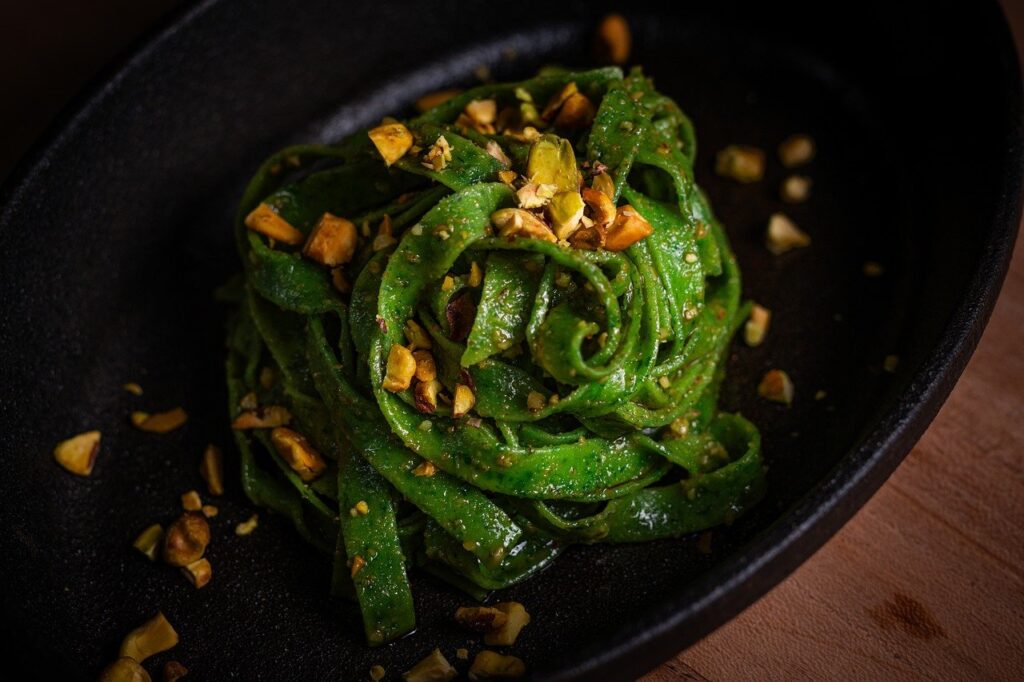
Why Mediterranean Still Wins in 2026
The Mediterranean diet keeps winning for one simple reason it works. It’s naturally full of fresh vegetables, whole grains, lean proteins, and healthy fats. That means balanced nutrition without cutting corners or flavor. No crash diets, no extremes just solid, time tested eating that feels good and tastes better.
Most of the meals are built for speed. Fresh herbs, citrus, and bold pantry staples do the heavy lifting, so you’re not marinating overnight or spending hours over a stove. If you’ve got 20 minutes and a decent knife, you’ve got dinner.
It doesn’t matter if you eat meat once a week or every day. This style of cooking flexes easily. Vegetarian? No problem beans, grains, and heaps of vegetables are already center stage. Low carb? Swap out bread for grilled eggplant or crisp romaine cups. Flexitarian? You’re basically home.
In a world of complicated food trends and short lived fads, Mediterranean eating still leads the pack. It’s real food, real fast and that’s what busy home cooks need.
Pantry Staples That Do the Heavy Lifting
Mediterranean cooking is built on just a few core ingredients, most of which last forever and do more than their share of the work. Start with the basics: a good bottle of olive oil (always worth the upgrade), canned chickpeas, a jar of pesto, some olives, and couscous. These are the backbone you can build entire meals around them, or just use them to anchor whatever fresh produce is lying around.
What takes those staples from serviceable to legit? Fresh accents. Keep lemons in the crisper slice, zest, or juice them into everything. Parsley and mint don’t last forever, but they pack enough flavor to matter. Add a handful just before serving and dishes feel intentional, not improvised.
If you want to cook without overthinking it, stocking these essentials is non negotiable. They give you the flexibility to pull off real meals with almost no planning and zero stress. In other words, these are your weeknight lifelines.
15 Minute Dishes That Don’t Feel Rushed
Weeknight cooking doesn’t have to mean scrambled meals or bland flavors. These Mediterranean inspired dishes come together in 15 minutes, delivering vibrant taste with minimal effort.
Greek Style Lemon Herb Chicken with Cucumber Tomato Salad
Bold, bright, and ridiculously quick this dish is a weeknight staple.
What you’ll need:
Thin sliced chicken breasts or tenders
Lemon juice and zest
Fresh herbs (parsley, oregano, dill)
Olive oil
Salt and pepper
Quick steps:
Sear the chicken with lemon, herbs, and olive oil until golden
Toss chopped cucumber, cherry tomatoes, red onion, and feta in a simple vinaigrette
Serve chicken over or alongside the salad
This fresh, protein packed combo hits all the right notes: crisp textures, citrusy balance, and bold herbs.
Sardinian Fregola with Sautéed Shrimp and Garlic
Fregola Sardinia’s toasted pasta pearls offers chewy texture and quick cooking convenience. Shrimp and garlic bring it all together.
What you’ll need:
Fregola or pearl couscous
Raw shrimp (peeled and deveined)
Garlic, chili flakes, parsley
Olive oil and white wine (optional)
Quick steps:
Boil fregola until just tender
Sauté shrimp with garlic, chili, and herbs
Deglaze pan with a splash of wine if desired
Toss it all together with a drizzle of olive oil and chopped parsley
This dish feels restaurant worthy, but takes less time than takeout.
Spiced Lentil Soup with Olive Oil Drizzle
Comforting, nourishing, and deeply flavorful all in one pot.
What you’ll need:
Brown or red lentils
Onion, garlic, cumin, coriander
Tomato paste or fresh chopped tomatoes
Vegetable broth or water
Olive oil, lemon juice
Quick steps:
Sauté onion, garlic, and spices until fragrant
Add lentils, tomatoes, and broth; simmer 10 12 minutes
Finish with a swirl of olive oil and squeeze of lemon
Make a double batch you’ll want leftovers. Pair it with warm pita or a chilled salad on the side for a full meal without the rush.
Plant Forward That Satisfies

Plant based doesn’t have to mean light or boring. When you combine earthy grains, roasted vegetables, rich cheeses, and punchy herbs, you get the kind of meals that leave you full in all the best ways. Here are three go to dishes that hit that mark without breaking your weeknight stride.
Warm Farro and Roasted Vegetable Bowls with Feta
Start with cooked farro nutty, chewy, grounded. Roast up whatever’s seasonal (zucchini, bell peppers, red onion, eggplant). Mix with a handful of chopped herbs, a drizzle of olive oil, and a squeeze of lemon. Crumble in salty feta to finish. It’s hearty, balanced, and packs up well for lunch the next day.
Hummus Three Ways: Classic, Beet, and Roasted Red Pepper
Use canned chickpeas. Nobody’s here to judge. For the classic, garlic, tahini, lemon juice, and good olive oil. For the beet version, blend in a roasted beet earthy and shockingly pink. The roasted red pepper version is smoky and a bit sweet. Serve them together with warm pita or crunchy vegetables and call it dinner.
Stuffed Bell Peppers with Herbed Bulgur and Pine Nuts
Halve your bell peppers, scoop out the seeds. Pre cook bulgur and mix with parsley, mint, scallions, lemon zest, toasted pine nuts, and a glug of olive oil. Spoon the mix into the peppers and bake until soft. Optional: sprinkle with feta or serve with yogurt on the side. Feels fancy, but it’s actually just smart pantry work.
Smart Ways to Use Leftovers
Leftovers don’t have to be uninspiring or reheated to death. The key is thinking a step ahead and layering flavor without overcomplicating the process.
Start with grilled fish something like branzino or salmon from the night before. Shred it with a fork, add a quick garlic lemon yogurt sauce, layer with greens or sliced cucumbers, and wrap it all in a warm pita. That’s lunch sorted in under ten.
Roasted eggplant left in the fridge? Blitz it into baba ghanoush. Just add olive oil, tahini, lemon, garlic, and a pinch of smoked paprika. It’s smoky, creamy, and makes anything from toast to flatbread an event.
And don’t toss that half bowl of grain salad. Use it as a base. Pan sear chicken, tofu, or a handful of chickpeas. Add fresh herbs, drizzle olive oil, maybe a squeeze of citrus, and it’s reborn as tomorrow’s power lunch. Minimal effort. Maximum credit.
Good food isn’t just cooked it’s reimagined.
Sweet Finishes, Mediterranean Style
Mediterranean desserts don’t aim to overwhelm they finish the meal with a quiet kind of elegance. Take the orange and almond olive oil cake: rustic, fragrant, and just sweet enough. It’s simple but far from boring, using ground almonds for texture and olive oil for richness. Keeps well, travels better, and somehow gets better the next day.
Then there’s the classic Greek yogurt trick. A scoop of thick, tangy yogurt, finished with a drizzle of honey, chopped pistachios, and whatever fruit is in season. Figs in the fall, berries in the spring, maybe citrus slices in winter. It’s barely a recipe, but that’s the point it’s fast, clean, and always hits the right note at the end of dinner.
For more global dessert inspiration, check out Baking Around the World: Classic International Desserts.
Final Tips for Busy Cooks
Weeknights can get loud fast. The trick is front loading your effort so your week flows without chaos. Batch cook the staples grains like farro or bulgur, dips like hummus or tzatziki, and a couple jars of simple sauces (hello, roasted red pepper puree). Knock it out on Sunday. It’ll save you when it’s Wednesday, you’re tired, and the fridge is giving zero inspiration.
Next, skip the stove when it makes sense. Raw salads, cured meats, good cheese, some olives these aren’t shortcuts, they’re classics. Mediterranean cooking isn’t about over complication; it’s about letting ingredients do the heavy lifting. Good olive oil and a squeeze of lemon go further than a sauce that takes an hour.
Keep your meals simple. Not boring simple. One or two great flavors balanced well beats six that fight for attention. If it takes more than 30 minutes and a handful of real ingredients, it’s probably trying too hard. Flavor over fuss, always.

 Cindy Thorntonesion writes the kind of global cuisine guides content that people actually send to each other. Not because it's flashy or controversial, but because it's the sort of thing where you read it and immediately think of three people who need to see it. Cindy has a talent for identifying the questions that a lot of people have but haven't quite figured out how to articulate yet — and then answering them properly.
They covers a lot of ground: Global Cuisine Guides, Local Food Spotlights, Recipe Ideas and Tips, and plenty of adjacent territory that doesn't always get treated with the same seriousness. The consistency across all of it is a certain kind of respect for the reader. Cindy doesn't assume people are stupid, and they doesn't assume they know everything either. They writes for someone who is genuinely trying to figure something out — because that's usually who's actually reading. That assumption shapes everything from how they structures an explanation to how much background they includes before getting to the point.
Beyond the practical stuff, there's something in Cindy's writing that reflects a real investment in the subject — not performed enthusiasm, but the kind of sustained interest that produces insight over time. They has been paying attention to global cuisine guides long enough that they notices things a more casual observer would miss. That depth shows up in the work in ways that are hard to fake.
Cindy Thorntonesion writes the kind of global cuisine guides content that people actually send to each other. Not because it's flashy or controversial, but because it's the sort of thing where you read it and immediately think of three people who need to see it. Cindy has a talent for identifying the questions that a lot of people have but haven't quite figured out how to articulate yet — and then answering them properly.
They covers a lot of ground: Global Cuisine Guides, Local Food Spotlights, Recipe Ideas and Tips, and plenty of adjacent territory that doesn't always get treated with the same seriousness. The consistency across all of it is a certain kind of respect for the reader. Cindy doesn't assume people are stupid, and they doesn't assume they know everything either. They writes for someone who is genuinely trying to figure something out — because that's usually who's actually reading. That assumption shapes everything from how they structures an explanation to how much background they includes before getting to the point.
Beyond the practical stuff, there's something in Cindy's writing that reflects a real investment in the subject — not performed enthusiasm, but the kind of sustained interest that produces insight over time. They has been paying attention to global cuisine guides long enough that they notices things a more casual observer would miss. That depth shows up in the work in ways that are hard to fake.