
What Makes Korean Dining Unique
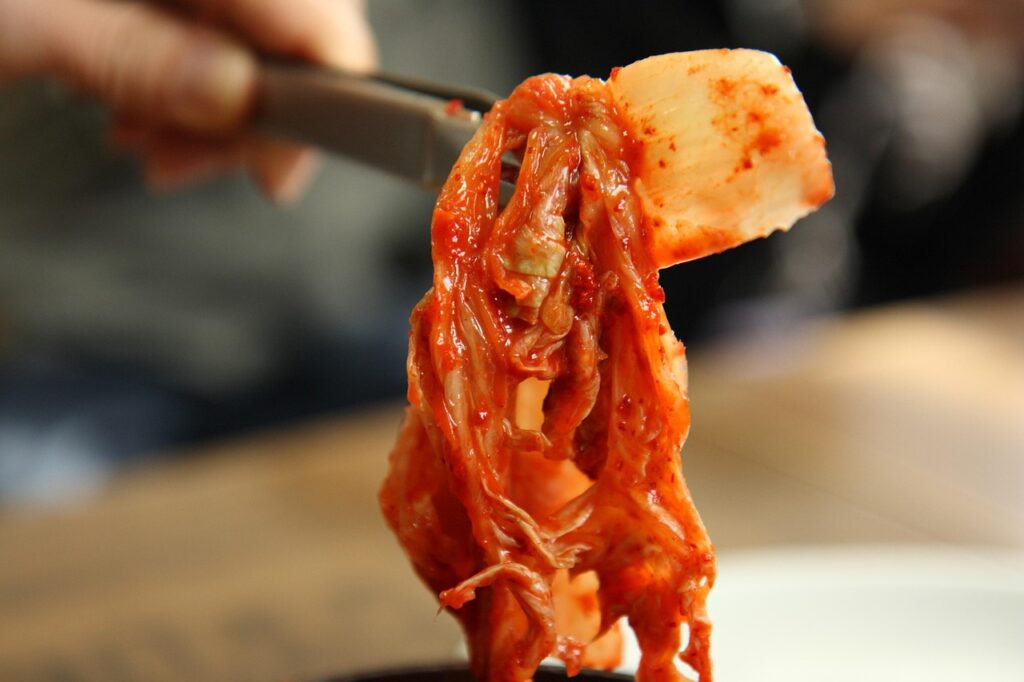
Korean meals revolve around more than just a main dish they’re anchored by banchan, the small side dishes that fill the table. These can be anything from spicy kimchi and pickled radishes to blanched spinach or crispy anchovies. You don’t just get one or two. A single meal can include six, ten, or more. They bring variety, balance, and a sense of abundance, no matter how simple the main course.
Another defining point: meals are communal. Dishes are placed at the center for everyone to share, rather than served individually. It’s a built in way to connect. You pass, you share, you reach across for a piece of grilled fish or a spoonful of stew. Eating together becomes part of the rhythm of daily life.
The flavor balance is intentional Korean cuisine hits spicy, savory, fermented, and sometimes sweet in a single spread. Nothing is overpowering on its own, but together, it creates a complete picture. A bite of gochujang marinated pork might be followed by a cooling sliver of cucumber kimchi. It’s this contrast that keeps the meal dynamic.
As for the utensils, Korean tables are often set with long handled stainless steel chopsticks and matching spoons. The choice isn’t aesthetic. Steel is durable, easily sanitized, and well suited to sharing hot dishes without burning your hands. Over time, it’s just become the standard functional, clean, no fuss.
Bibimbap (Mixed Rice Bowl)
A staple that shows up everywhere from humble homes to trendy Seoul cafés. Bibimbap is a bowl of warm rice topped with a colorful mix of sautéed and seasoned vegetables carrots, spinach, bean sprouts, mushrooms plus gochujang (Korean chili paste) for heat and depth. You’ll sometimes find marinated beef or a fried egg on top. It’s not just about the ingredients it’s the mixing. Right before eating, you stir everything together until the flavors and textures blend into one balanced bite. Simple in concept, satisfying in execution.
Dining Etiquette to Know
Korean meals aren’t just about what’s on the table they’re about how you act around it. A few rules run deep, and following them shows you’re not just eating; you’re respecting the culture.
First off, don’t touch your food until the elders at the table have started. It’s about hierarchy and respect. Jumping in early comes off as impatient or worse, rude.
Watch your chopsticks, too. Never stick them upright in a bowl of rice. It’s something seen at funerals, a gesture tied to offerings for the dead. It’s bad luck, and it kills the mood fast.
At the drink table, keep an eye on everyone else’s glass. In Korean dining, refilling someone’s drink before they even ask is a quiet sign of good manners. Let someone else top yours off. You don’t pour for yourself.
And then there’s slurping. In some cultures, it’s frowned upon, but in Korea, it’s fine. Expected even, especially when hot soup or jjigae is on the table. It just means you’re enjoying it and that it’s still too hot to gulp down quietly.
Where Tradition Meets Modern Taste
Walk into any Korean city today and you’ll see it: tradition served with a modern twist. Locally run eateries still honor the spirit of classic Korean cooking, but they’re tossing in minimalist plating, upscale ingredients, and hyper clean presentation. Think doenjang jjigae in handmade ceramic bowls or bibimbap layered like art. It’s not just how it tastes it’s how it looks.
Street food, though, holds the line. The stalls haven’t lost their grit or their roots. Tteokbokki still bubbles in giant pans, spicy and sticky as ever. Fried snacks, hotteok, and fish cakes still go from grill to hand in seconds. It’s dependable, loud, and timeless.
Meanwhile, cafes and fusion spots are playing with boundaries. Bulgogi tacos. Mandu stuffed with truffle oil mushrooms. Soy caramel lattes next to makgeolli cocktails. These aren’t gimmicks they’re signals of how Korean dining is evolving: inventive, global, but always rooted in something familiar.
Curious how Korean dining stacks up against other Asian food experiences? Japan’s culinary scene offers its own unique balance of flavor, presentation, and tradition. For travelers or food lovers looking to broaden their palate, this Complete Guide to Japanese Cuisine for First Time Travelers breaks down everything from sushi etiquette to regional specialties. It’s a solid next step if you’re interested in how different food cultures across Asia both contrast and connect.

 Johnister Barkerston writes the kind of culinary travel experiences content that people actually send to each other. Not because it's flashy or controversial, but because it's the sort of thing where you read it and immediately think of three people who need to see it. Johnister has a talent for identifying the questions that a lot of people have but haven't quite figured out how to articulate yet — and then answering them properly.
They covers a lot of ground: Culinary Travel Experiences, Food Festivals and Events, Local Food Spotlights, and plenty of adjacent territory that doesn't always get treated with the same seriousness. The consistency across all of it is a certain kind of respect for the reader. Johnister doesn't assume people are stupid, and they doesn't assume they know everything either. They writes for someone who is genuinely trying to figure something out — because that's usually who's actually reading. That assumption shapes everything from how they structures an explanation to how much background they includes before getting to the point.
Beyond the practical stuff, there's something in Johnister's writing that reflects a real investment in the subject — not performed enthusiasm, but the kind of sustained interest that produces insight over time. They has been paying attention to culinary travel experiences long enough that they notices things a more casual observer would miss. That depth shows up in the work in ways that are hard to fake.
Johnister Barkerston writes the kind of culinary travel experiences content that people actually send to each other. Not because it's flashy or controversial, but because it's the sort of thing where you read it and immediately think of three people who need to see it. Johnister has a talent for identifying the questions that a lot of people have but haven't quite figured out how to articulate yet — and then answering them properly.
They covers a lot of ground: Culinary Travel Experiences, Food Festivals and Events, Local Food Spotlights, and plenty of adjacent territory that doesn't always get treated with the same seriousness. The consistency across all of it is a certain kind of respect for the reader. Johnister doesn't assume people are stupid, and they doesn't assume they know everything either. They writes for someone who is genuinely trying to figure something out — because that's usually who's actually reading. That assumption shapes everything from how they structures an explanation to how much background they includes before getting to the point.
Beyond the practical stuff, there's something in Johnister's writing that reflects a real investment in the subject — not performed enthusiasm, but the kind of sustained interest that produces insight over time. They has been paying attention to culinary travel experiences long enough that they notices things a more casual observer would miss. That depth shows up in the work in ways that are hard to fake.