Where Flavor Meets Heritage
Hoi An isn’t just another stop on the travel map it’s a living cookbook written in lantern light, market chatter, and the smoke of street side grills. For food lovers, it’s a compact paradise where history and hunger walk hand in hand. In 2026, as global cuisine leans toward fast fusions and over the top trends, Hoi An doubles down on what makes eating an experience: slow mastery, bold balance, and centuries of intent behind every bite.
The town’s food scene mirrors its cultural DNA. You taste Chinese, Japanese, and French influences remnants of its centuries as a trading port but always through a Vietnamese lens. This isn’t fusion for flair. It’s heritage preserved with care. Menus are short, ingredients local, and techniques passed down by hand, not algorithm.
At the core of it all? A philosophy that’s quietly radical: keep it fresh, keep it balanced, and never, ever let it get boring. You’ll find plates where no flavor overpowers another sweet balances salty, herb tempers heat. Nothing gets wasted, everything has purpose. Whether it’s a dish made from ancient well water or dumplings folded by the same hands for three generations, food in Hoi An isn’t just eaten. It’s respected.
If you’re traveling for taste, Hoi An doesn’t just belong on your list it sets the standard.
Cao Lầu
You won’t find Cao Lầu anywhere else in Vietnam and that’s not just a marketing line. This noodle dish is woven into the soul of Hoi An and stubbornly resists imitation. Why? It starts with the water. Locals will tell you the noodles are only legit when they’re made with lye water drawn from a few specific Cham era wells scattered around the old town. It gives the noodles their signature chew: denser than pho, springier than ramen, and unlike anything you’ve had before.
A typical bowl hits with stacked textures. Crisp leafy greens on the bottom, curled chewy noodles in the middle, slices of tender, soy braised pork layered over the top, and golden rice crackers smashed in for crunch. You don’t slurp this dish. You work through it. No flood of broth just enough moisture to tie everything together.
Cao Lầu doesn’t travel well, so don’t expect to taste the real thing outside the region. Find it here while it’s still being made the slow, meticulous, almost rebellious way.
Street Food Worth Hunting Down
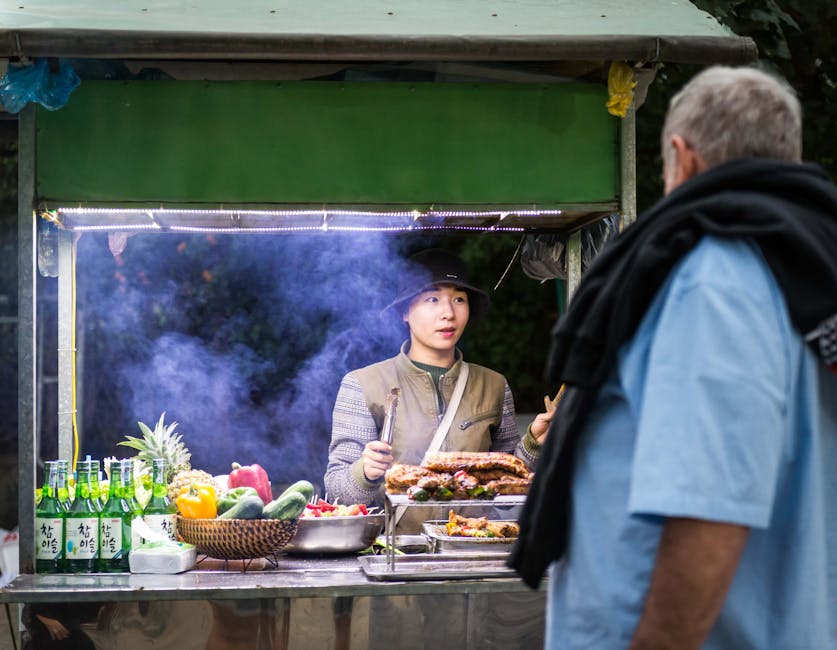
Hoi An’s street food isn’t just a snack it’s a scene. Follow the riverbanks around dusk, and you’ll catch the smoke trails from grilled pork and chicken skewers rising above the Thu Bon River. The marinade is usually a punchy mix of lemongrass, chili, and fish sauce. Locals eat them right off the grill, perched on tiny plastic stools, dipping each bite in a bowl of secret recipe sauce that hits salty, sweet, and spicy all at once.
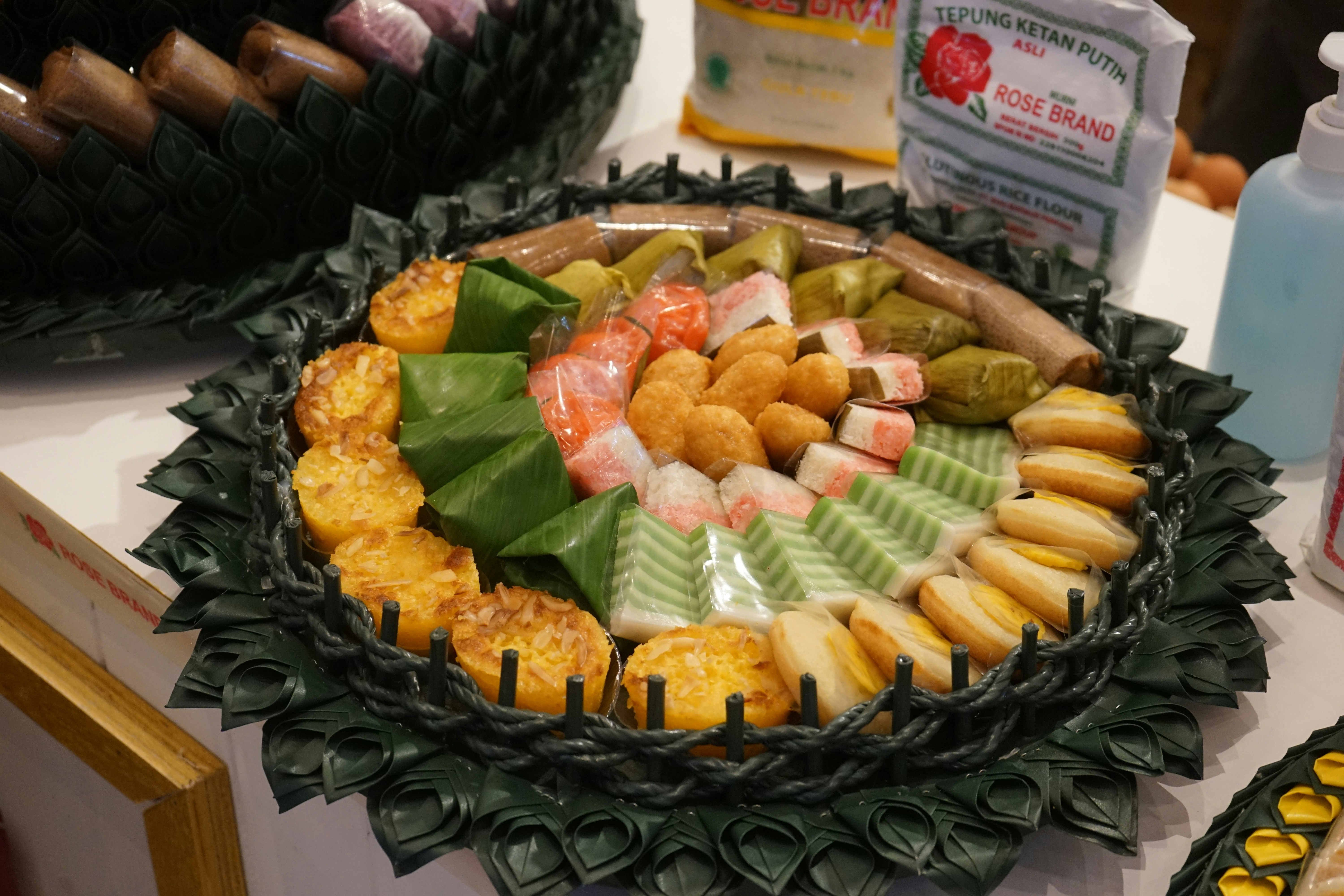
Deeper in the alleyways, you’ll spot women wheeling vintage bikes loaded with mango cakes. These aren’t Instagram bait they’re soft, chewy rice cakes with real mango pulp inside, sold by vendors who know every shortcut in the old town. If you see one, don’t wait. They sell out fast.
Finally, there’s the coffee. Almost every traveler remembers their first Vietnamese iced coffee, but in Hoi An, there’s a twist: coconut cream. Thick, cold, unapologetic coconut cream poured over strong black coffee and ice. A drink and dessert rolled into one. Ideal for muggy afternoons and sunsets by the water.
Food Culture Beyond the Plate
Hoi An’s culinary experience doesn’t start at the table it starts at sunrise. If you’re serious about food, set your alarm. The Central Market hums to life at dawn, packed with fresh herbs, just caught fish, and more rice noodles than you thought possible. More low key but just as fascinating is the Tiger Market, where locals shop for organic greens and regional spices without the buzz of tourist traffic.
For a deeper dive, skip the basic tourist cooking classes and find one that includes a market tour. These are run by chefs who know their shallots from their scallions and they’ll show you how to spot a quality fish, haggle without offending, and cook something worth remembering. Ask questions, bring your appetite, and don’t expect measuring cups.
Timing matters too. Seasonal ingredients shift the menu monthly. Come in spring and you’ll find fresh herbs exploding with flavor. In summer, tropical fruits take center stage think dragonfruit, rambutan, and mango. Fall brings root vegetables and hearty greens that show up in soups and stir fries. The food changes with the weather, and that’s the point: you’re not just eating a dish, you’re tasting a moment in time.
If You Love Food First Travel
Hoi An delivers a punch of history, craft, and flavor but why stop there? If you’re planning a multi stop trip across Asia, consider pairing this Vietnamese gem with other culinary powerhouses that echo its depth.
Tokyo is a natural next step. Like Hoi An, its food scene is shaped by precision and heritage. Think beyond sushi. Head for tucked away alley joints in Nakameguro or the yakitori counters of Koenji. For a taste of what locals actually eat, Savor Tokyo Like a Local: Neighborhoods for Authentic Eats is a solid starting point.
Or go south to Penang, Malaysia where Chinese, Indian, and Malay flavors clash deliciously in hawker stalls and late night canteens. Chiang Mai in northern Thailand offers quiet markets, herb heavy northern dishes, and slow food temples hidden in the hills. These destinations don’t just match Hoi An’s simplicity they enhance it.
The best part? Each place has its own rhythm but shares a common thread: food that reflects real life, real culture, and real people. No fluff just flavor.
Stay Curious, Stay Local
Hoi An isn’t the kind of place where you chase Michelin stars or Instagram famous cafés. It’s a town where the best meal of your trip might come from a plastic stool on the side of a lantern lit alley. If you’re serious about food, skip the chain restaurants and dig into what’s actually cooking on the street.
Trust your instincts. If there’s a crowd of locals around a cart, get in line. If something smells amazing but you’re not sure what it is, ask. Most vendors are happy to share a laugh and a few words, even if English isn’t in the mix. Point, smile, nod that’s enough.
And when someone offers a second helping, take it. Not just because it’s polite, but because it’s probably even better the second time. This isn’t fast food it’s slow tradition, passed through generations, seasoned by weather, stories, and time. The more curious you are, the more Hoi An will reward you.