
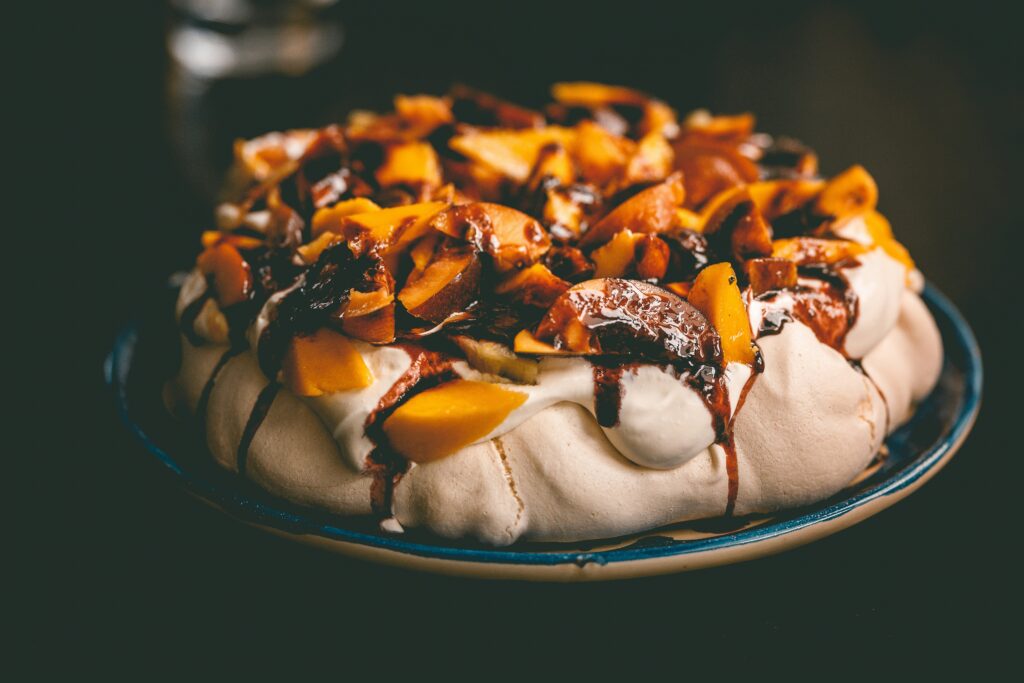
Why Global Desserts Still Hold Strong in 2026
Traditional desserts aren’t just surviving they’re thriving. As kitchens get smarter and palates more curious, classic sweets are making a major return. But this isn’t nostalgia for novelty’s sake. Home bakers are reaching back into family trees and cultural memory for recipes that mean something: Romanian cozonac at Christmas, Lebanese maamoul for Eid, or a dense, sticky slice of Caribbean rum cake. These aren’t just desserts they’re edible connections to tradition and identity.
What’s driving the revival? A mix of comfort, creativity, and access. People want warmth and certainty, and heritage baking delivers. At the same time, tools like online tutorials, ingredient swaps, and global shipping make even the most niche confection feel attainable. A novice in Wisconsin can now master Filipino leche flan, just by following a baker in Manila on YouTube.
Cross cultural baking is no longer a long shot; it’s become everyday kitchen practice. With previously hard to find ingredients just a few clicks away and digital communities sharing recipes with context and care, international desserts have never been more within reach or more relevant.
Gulab Jamun (India)
Golden, soft, and soaked in fragrant syrup gulab jamun is more than dessert, it’s a celebration. These deep fried dough balls, made from milk solids like khoya or milk powder, are dropped into a warm bath of cardamom and rose water syrup right after frying. The result is a melt in your mouth texture with floral sweetness in every bite.
It’s a staple at Indian weddings, festivals, and gatherings, but the dessert is also being reimagined for changing times. Some versions now include saffron scented syrup for added warmth or vegan takes that use plant based milk and ghee alternatives. While traditionalists may raise an eyebrow, these twists keep the spirit alive rich, slow cooked indulgence that doesn’t cut corners on comfort.
Baking for the Modern Palate
Old world desserts are getting a 2026 reboot and not just for the sake of novelty. Home bakers are tweaking centuries old recipes to fit contemporary diets and tastes. Think almond flour pastéis de nata, low sugar gulab jamun, or even a gluten free mochi layered with citrus zest. The result? Classics that nod to tradition but align with current lifestyles.
Fusion is another way bakers are pushing boundaries. Tarte Tatin with miso caramel, matcha Basque burnt cheesecake, or mochi stuffed with dulce de leche all of it is happening in kitchens around the world. Bold? Yes. Risky? Sometimes. But for many, these global mashups are an honest reflection of mixed heritage and modern creativity.
That said, authenticity hasn’t been scrapped. The best home bakers do their homework starting with the real thing, learning the history, then putting their own spin on it. It’s not about ignoring tradition. It’s about honoring it while making space for something new.
If your sweet tooth ever takes a break, don’t worry we’ve got the savory side covered too. Check out our deep dive into Vegetarian Recipes Inspired by Global Street Food for bold, plant based dishes straight from the world’s alleyways, night markets, and roadside stands. It’s where crunchy textures meet spicy marinades, where chargrilled flavors hit harder than takeout, and where meatless doesn’t mean joyless. Perfect for home cooks looking to add heart, heat, and heritage to their everyday meals.
Global Baking in the Digital Age
Getting your hands on exact ingredients for a traditional dessert isn’t always possible but that’s no excuse to skip the recipe. 2026 home bakers are adapting by using local substitutions that keep the soul of the dish intact. Maybe it’s swapping jaggery for brown sugar, or using a regional cream cheese in place of Basque varieties. The point isn’t perfection it’s experience.
What’s helped bridge the gap between continents is video. Tutorials from bakers in origin countries are more accessible than ever. Seeing hands in motion, hearing the language, picking up techniques that never make it into written recipes that’s where a lot of the magic happens.
Global baking isn’t just a flex. It’s a way to connect with food traditions, yes, but also with people. When you try a sweet your grandma loved growing up, or explore something completely new from halfway around the world, you’re not just baking you’re participating. That kind of curiosity matters more than flawless presentation.

 Cindy Thorntonesion writes the kind of global cuisine guides content that people actually send to each other. Not because it's flashy or controversial, but because it's the sort of thing where you read it and immediately think of three people who need to see it. Cindy has a talent for identifying the questions that a lot of people have but haven't quite figured out how to articulate yet — and then answering them properly.
They covers a lot of ground: Global Cuisine Guides, Local Food Spotlights, Recipe Ideas and Tips, and plenty of adjacent territory that doesn't always get treated with the same seriousness. The consistency across all of it is a certain kind of respect for the reader. Cindy doesn't assume people are stupid, and they doesn't assume they know everything either. They writes for someone who is genuinely trying to figure something out — because that's usually who's actually reading. That assumption shapes everything from how they structures an explanation to how much background they includes before getting to the point.
Beyond the practical stuff, there's something in Cindy's writing that reflects a real investment in the subject — not performed enthusiasm, but the kind of sustained interest that produces insight over time. They has been paying attention to global cuisine guides long enough that they notices things a more casual observer would miss. That depth shows up in the work in ways that are hard to fake.
Cindy Thorntonesion writes the kind of global cuisine guides content that people actually send to each other. Not because it's flashy or controversial, but because it's the sort of thing where you read it and immediately think of three people who need to see it. Cindy has a talent for identifying the questions that a lot of people have but haven't quite figured out how to articulate yet — and then answering them properly.
They covers a lot of ground: Global Cuisine Guides, Local Food Spotlights, Recipe Ideas and Tips, and plenty of adjacent territory that doesn't always get treated with the same seriousness. The consistency across all of it is a certain kind of respect for the reader. Cindy doesn't assume people are stupid, and they doesn't assume they know everything either. They writes for someone who is genuinely trying to figure something out — because that's usually who's actually reading. That assumption shapes everything from how they structures an explanation to how much background they includes before getting to the point.
Beyond the practical stuff, there's something in Cindy's writing that reflects a real investment in the subject — not performed enthusiasm, but the kind of sustained interest that produces insight over time. They has been paying attention to global cuisine guides long enough that they notices things a more casual observer would miss. That depth shows up in the work in ways that are hard to fake.