
Know Before You Go
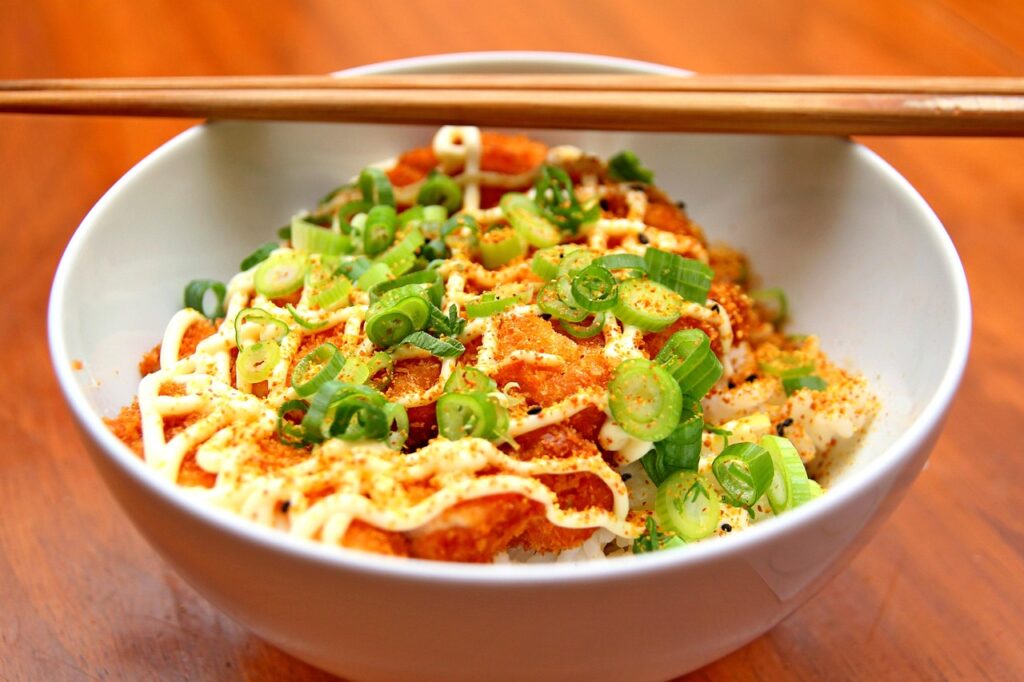
Japanese cuisine in 2026 stays true to its roots, even as trends come and go. What makes it stand out? A focus on the essentials: simplicity with precision, flavor without excess. Every meal is built around seasonality, presentation, and balance. These aren’t buzzwords they’re fundamentals. You’ll see menus shift with the seasons, dishes plated like art, and ingredients combined in a way that’s instinctively harmonious.
Balance shows up everywhere. Dishes are crafted to hit all five tastes sweet, salty, sour, bitter, and umami without overpowering your palate. Rice remains a cornerstone, but it’s surrounded by thoughtfully chosen sides: pickles for acidity, miso soup for depth, grilled fish or tofu for protein.
Expect to encounter a few key ingredients again and again: miso, soy sauce, mirin, dashi (a stock made from seaweed and fish flakes), and fresh produce like daikon radish, burdock, and yuzu. Seafood, of course, plays a starring role, but so do seasonal vegetables, seaweed, and fermented soy products.
In short: the cuisine is more than just food. It’s a philosophy on a plate one that values nature, timing, and restraint.
Must Try Traditional Dishes
Let’s face it Japanese cuisine can be a maze for first time travelers. But skip the fear. Here’s how to approach some key dishes without overthinking it.
Sushi and Sashimi: Start simple. Tuna (maguro), salmon (sake), and shrimp (ebi) are common, straightforward picks. If you’re unsure what to order, look for a set menu or ask for the chef’s recommendation many places offer an “omakase” (chef’s choice) option, which takes the pressure off. Pro tip: sashimi is just the raw slices without rice; sushi comes with it. Don’t drown your fish in soy sauce and never mix wasabi into the soy. Just a dab directly on the fish is enough. Chopsticks or hands? Either is fine.
Ramen: It’s everywhere and deserves your attention. Shoyu (soy sauce) ramen leans savory and light. Miso ramen is richer, earthier. Tonkotsu (pork bone broth) is the deep, creamy heavyweight of the trio. Each prefecture seems to have its spin think Hakata for tonkotsu, Sapporo for miso. Slurping isn’t rude; it’s expected. It shows appreciation and helps cool the noodles.
Tempura, Okonomiyaki, Yakitori: These are your go to street foods with serious flavor. Tempura is lightly battered and fried shrimp and vegetables are staples. Okonomiyaki is a savory pancake filled with cabbage, pork, and whatever else you like; often grilled right at your table. Yakitori is grilled skewered chicken order by the piece, try thigh (momo), scallion (negima), or venture into innards if you’re feeling bold.
Bento: These boxed meals are more than just convenience food. Carefully arranged, affordable, and often beautifully balanced. You’ll find them at train stations, department stores, even convenience stores and they beat generic fast food every time. Great for travel days and picnics.
Stick to the basics, be curious, and you’ll rarely go wrong. Japanese cuisine rewards the open minded and the hungry.
Dining Etiquette That Matters
Here’s the simple truth: minding your manners in Japan isn’t just polite it’s expected. The rules aren’t complicated, but ignoring them makes you stand out for the wrong reasons. Let’s break it down.
Do’s and Don’ts When Eating Out in Japan
Do say itadakimasu before you start eating and gochisousama deshita when you’re done. It’s just respectful. Do line up at popular ramen joints or sushi bars cutting the line is a quick way to ruin the mood. Don’t jab your chopsticks into a bowl of rice or pass food chopstick to chopstick. Both mimic funeral rituals. Also, don’t point with your chopsticks, wave them around, or lick them. Basic stuff, but important.
How to Use Chopsticks Politely
Hold them steady, and take your time. No one expects perfection, but keep them under control. Rest them on the chopstick holder or across your bowl when you’re not using them never stick them upright in food. If you’re reaching into shared dishes, use the opposite (clean) end to grab food. It’s small, but it shows you get it.
Ordering Tips: Language, Convenience, and Signals
You don’t need to be fluent. A little Japanese goes a long way sumimasen (excuse me) gets a server’s attention, and eigo menu means “English menu.” Pointing works fine, especially at places with picture menus or food displays. Some restaurants use vending machines or tablets for ordering super convenient, just follow the prompts. If you’re done and want the bill, make a little ‘X’ or rectangle symbol with your fingers (or just ask for o kaikei onegaishimasu).
Blend in, stay sharp, and respect the scene. It’s all part of the adventure.
Beyond the Restaurant Scene
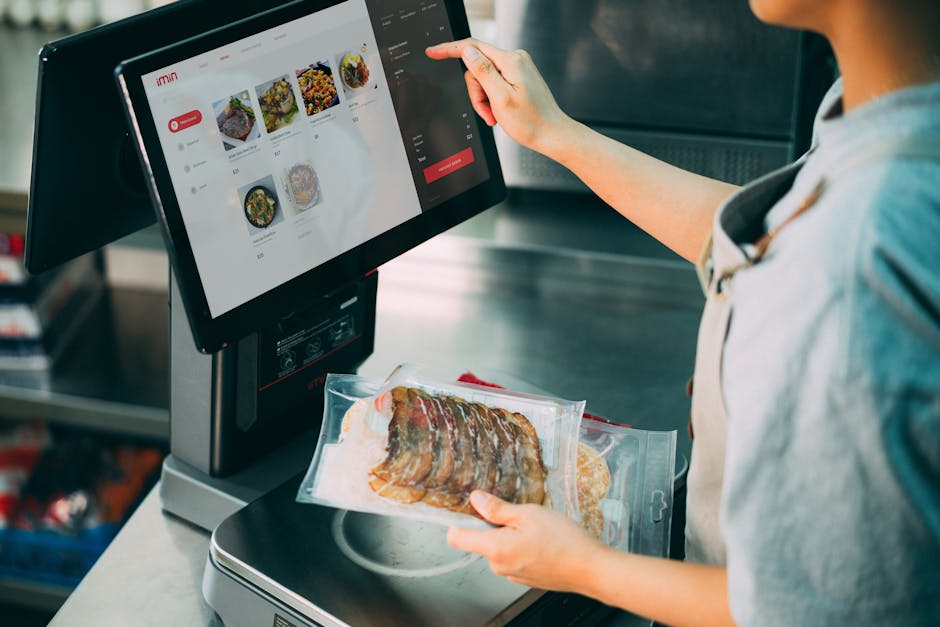
Sometimes the most memorable meals in Japan don’t happen at a sit down restaurant. They start under fluorescent lights, next to commuters and office workers.
Take the konbini. These sleek convenience stores like Lawson, FamilyMart, and 7 Eleven are a quiet culinary flex. Tourists come in expecting gas station fare. They walk out with perfect onigiri, soft boiled eggs soaked in soy (ajitama), katsu sandwiches that taste like they belong in a café, and surprisingly fresh sushi trays. The food is cheap, fast, and ridiculously consistent.
Then there’s the depachika basement food halls hidden beneath high end department stores. Think chaos wrapped in elegance. You’ll find grilled eel next to French pâtisserie grade tarts. Bento boxes with seasonal vegetables sit near tempura stations and mochi stands. Sampling here is a sport, and many locals drop by just to grab their daily dinner or pick up last minute gifts that taste like they came from a specialty shop.
And don’t skip the train stations. Ekiben train station bento boxes are smartly designed for travel but built with regional pride. Each major stop offers its own localized version: trout from Nagano, beef tongue in Sendai, octopus rich sets in Osaka. Some are so good, people arrive early just to grab them before boarding. These boxes tell stories, and yes, they taste better when you’re watching Japan roll by outside your window.
Travelers hunting for high end food without high end pricing (or planning) should start here. Don’t overlook the places where everyday Japan eats. That’s where the good stuff hides.
Vegetarian and Special Diet Tips
Traveling through Japan as a vegetarian or with any special dietary requirement can be incredibly rewarding, but it does require a little preparation. While plant based options exist throughout the country, many traditional dishes include fish based seasonings or meat based broths that aren’t always obvious on the menu.
Navigating Menus Without Meat or Seafood
While Japan is still evolving in terms of vegetarian and vegan awareness, many restaurants are happy to accommodate if you know what to look for and how to ask:
Look for shōjin ryōri: This is traditional Buddhist temple cuisine that’s entirely plant based and widely available near temples.
Search for vegan/vegetarian cafes: Especially common in cities like Tokyo, Kyoto, and Osaka.
Check the sides: Items like seaweed salad, cold tofu (hiyayakko), pickles, and rice can often be made meat free.
Watch Out for Hidden Ingredients
Even if a dish looks vegetarian, it might include these commonly used ingredients:
Dashi (fish broth): Often used in soups, noodles, and sauces even miso soup.
Katsuobushi (bonito flakes): Used as a topping or flavor enhancer, especially in dishes like okonomiyaki or takoyaki.
Oyster and fish sauces: Common in dressings and marinades.
Tips to avoid them:
Politely ask if a dish contains dashi or fish sauce.
Request toppings like katsuobushi to be left off.
When in doubt, opt for simple grilled vegetable or tofu based dishes.
Helpful Apps and Key Phrases
Don’t let the language barrier keep you from enjoying a satisfying, worry free meal. These tools can help:
Useful Apps:
HappyCow Lists vegetarian/vegan spots in Japan by location.
Google Translate Reliable for menu scanning and quick questions.
Vegewel Japan friendly platform for plant based dining, with English listings.
Key Phrases to Know:
Niku wa haitte imasen ka? “Does this contain meat?”
Watashi wa bejitarian desu “I am a vegetarian.”
Dashi wa tsukatte imasu ka? “Does this contain fish broth?”
Katsuobushi wa haitte imasu ka? “Are there bonito flakes in this?”
With a little research and the right phrases, it’s absolutely possible to enjoy authentic Japanese cuisine without compromising your dietary needs.
Bonus Inspiration: Go Global with Your Palate
Loved diving into Japanese cuisine? You’re just getting started. The world is packed with bold flavors, rich histories, and underrated dishes that deserve your attention. If you’re up for expanding your food map, take a minute to explore another vibrant culinary culture.
Curious about other world cuisines too? Check out this Beginner’s Guide to Traditional Ethiopian Dishes for more food forward travel ideas. Think injera, spicy stews, and a communal way of eating that brings people together.
Final Tips for Food Focused Travel
Japan takes seasonality seriously. Spring is all about cherry blossom themed treats and delicate mountain vegetables. Summer brings refreshing cold noodles, grilled eel, and festival snacks. In fall, earthy mushrooms, chestnuts, and sweet potatoes take center stage. Winter rolls in with hot pots, oden, and the freshest fatty tuna. If you care about tasting ingredients at their peak, time your trip around these seasonal shifts they’re not just subtle hints, they full on shape the menu.
Finding food tours or cooking classes isn’t hard it’s more a matter of focus. Skip the tourist traps and search for experiences tied to local markets, farms, or family run kitchens. Websites like Cookly, Airbnb Experiences, or even local tourism boards are great places to start. Some of the best guides are home cooks with stories as rich as their recipes.
Finally, loosen your grip on the itinerary. Some of your best finds might come from a crooked side street, an unlit doorway, or a counter with no English menu. Say yes more. Trust the smells wafting out of a tiny shop. If locals are lining up, get in line. Good food has little to do with square footage and everything to do with heart.

 Johnister Barkerston writes the kind of culinary travel experiences content that people actually send to each other. Not because it's flashy or controversial, but because it's the sort of thing where you read it and immediately think of three people who need to see it. Johnister has a talent for identifying the questions that a lot of people have but haven't quite figured out how to articulate yet — and then answering them properly.
They covers a lot of ground: Culinary Travel Experiences, Food Festivals and Events, Local Food Spotlights, and plenty of adjacent territory that doesn't always get treated with the same seriousness. The consistency across all of it is a certain kind of respect for the reader. Johnister doesn't assume people are stupid, and they doesn't assume they know everything either. They writes for someone who is genuinely trying to figure something out — because that's usually who's actually reading. That assumption shapes everything from how they structures an explanation to how much background they includes before getting to the point.
Beyond the practical stuff, there's something in Johnister's writing that reflects a real investment in the subject — not performed enthusiasm, but the kind of sustained interest that produces insight over time. They has been paying attention to culinary travel experiences long enough that they notices things a more casual observer would miss. That depth shows up in the work in ways that are hard to fake.
Johnister Barkerston writes the kind of culinary travel experiences content that people actually send to each other. Not because it's flashy or controversial, but because it's the sort of thing where you read it and immediately think of three people who need to see it. Johnister has a talent for identifying the questions that a lot of people have but haven't quite figured out how to articulate yet — and then answering them properly.
They covers a lot of ground: Culinary Travel Experiences, Food Festivals and Events, Local Food Spotlights, and plenty of adjacent territory that doesn't always get treated with the same seriousness. The consistency across all of it is a certain kind of respect for the reader. Johnister doesn't assume people are stupid, and they doesn't assume they know everything either. They writes for someone who is genuinely trying to figure something out — because that's usually who's actually reading. That assumption shapes everything from how they structures an explanation to how much background they includes before getting to the point.
Beyond the practical stuff, there's something in Johnister's writing that reflects a real investment in the subject — not performed enthusiasm, but the kind of sustained interest that produces insight over time. They has been paying attention to culinary travel experiences long enough that they notices things a more casual observer would miss. That depth shows up in the work in ways that are hard to fake.