
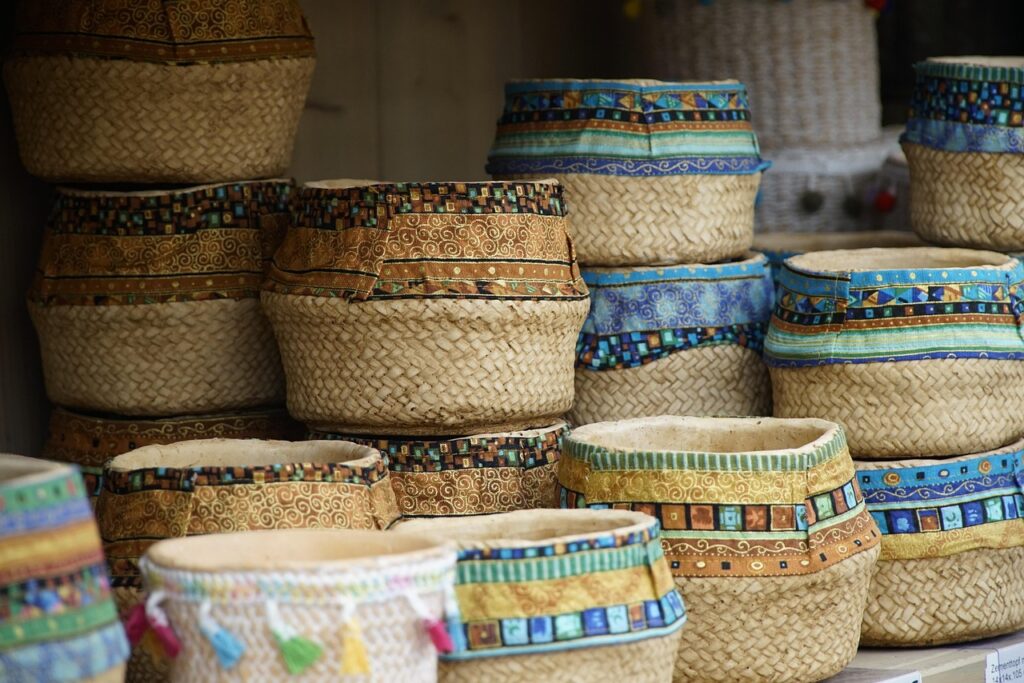
Start With Respect, Not Recipes
Cooking ethnic food at home isn’t just about throwing together the right spices and calling it authentic. It’s about culture, memory, stories things that don’t show up on ingredient lists. Before you break out the skillet, take a minute to understand where this dish comes from. Who made it first? Why? What region, what climate, what history gave this meal its shape?
This mindset shift matters. When you ask yourself, “What does this meal mean to the people who created it?”, you start from a place of respect, not replication. You’re not just making food you’re stepping into someone else’s tradition. That awareness changes how you approach everything: how you source ingredients, how you follow recipes, even how you serve it.
So don’t treat a dish like a costume you can wear for the night. Learn where it comes from. Then, cook like it matters because it does.
Get the Right Ingredients and Tools
If you’re serious about cooking ethnic food at home like a local, skip the supermarket shortcuts. The real flavors live in the aisles of ethnic markets, neighborhood grocers, and online stores that specialize in regional goods. These spots carry ingredients you won’t find on mainstream shelves fermented shrimp paste, dried lime, fresh curry leaves, and more. Don’t be afraid to ask questions or read labels closely. Shop with intent.
Once you’ve got a spot to shop, focus on your staples. Every cuisine has its own pantry backbone Korean gochujang, Mexican dried chiles, Indian garam masala, or Thai fish sauce, to name a few. Stocking these, along with the right produce, is the difference between mimicking a dish and honoring it. Fresh herbs, specialty oils, and region specific grains matter.
Then there are the tools. You can’t hack wok cooking in a nonstick pan. Clay pots, bamboo steamers, tagines, comals these shape how heat, moisture, and flavor behave. A mortar and pestle can release oils from spices in a way a blender just can’t. If you want your food to taste right, start with what it’s meant to be cooked in. No gimmicks just tradition that works.
Master Techniques That Make the Difference
More Than Just Ingredients
When cooking ethnic food, technique is just as important as the ingredients you use. The structure, timing, and methods passed down through generations shape the soul of traditional dishes. It’s not only about what goes into the pan, but how it’s treated once it’s there.
Learn the Essentials
Understanding core cooking techniques from different cultures will elevate your cooking beyond just following instructions. Some foundational methods worth mastering include:
Tempering spices (India): Heating whole spices in oil to release their full aroma and flavor profile.
Wok hei (China): Achieving the coveted ‘breath of the wok’ a slightly smoky, high heat flavor developed through skillful stir frying.
Balancing pH in ceviches (Latin America): Knowing how citrus juices interact with fish proteins to ensure proper ‘cooking’ without heat.
These aren’t optional steps they’re central to achieving authenticity.
Practice with Purpose
You won’t master these techniques overnight and that’s okay. The key is repetition and patience.
Try a technique multiple times and take notes on how small changes affect the dish.
Watch how local cooks approach the same method.
Focus on consistency and understanding “why” a step matters, not just completing it.
Perfecting a cultural technique is an act of respect. Give the process time, and the flavors will follow.
Follow Recipes from the Source
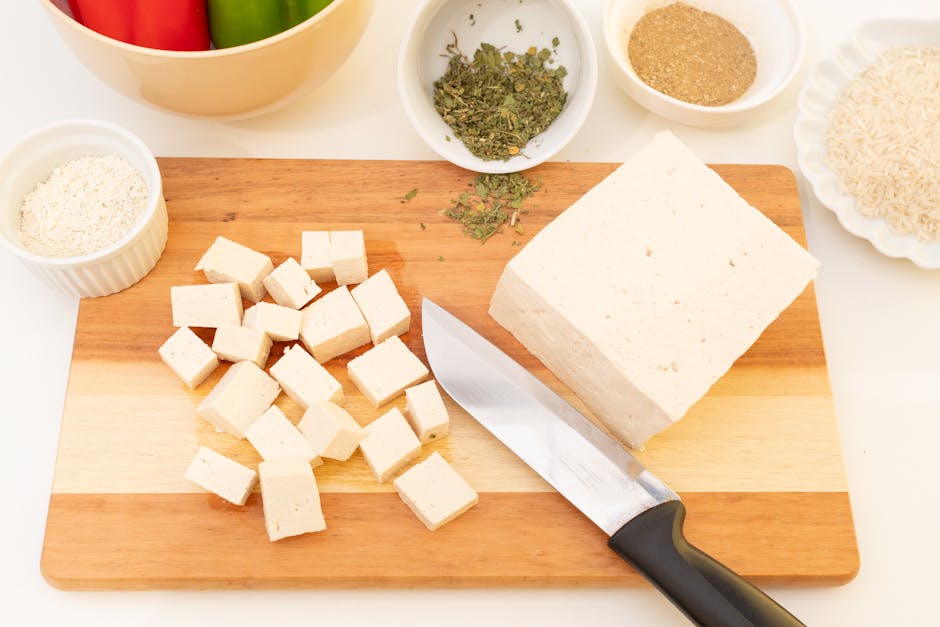
If you want to cook ethnic food that actually tastes like it should, go straight to the roots. That means starting with recipes that have been passed down, not watered down. Family dishes. Community staples. Meals spoken about with a kind of reverence because they’ve shown up at birthdays, funerals, weddings, and plain old Sunday dinners.
You’re not just pulling ingredients from a list you’re drawing from generations of practice. Look for recipes from locals, elders, and people who grew up eating the dish you’re trying to make. You’ll find the instructions aren’t always exact, but the intention is clear, and that matters more.
A great place to begin your journey: traditional recipe ideas. Stick close to the source and your cooking will be closer to the real thing.
Use All Your Senses
Good cooking isn’t just about following steps it’s about paying attention. Taste and smell will always tell you more than a timer. If something’s burning, bubbling too fast, or just smells off, no recipe can save it. Your senses are your best tools in the kitchen.
Keep your eyes on how things shift while cooking. Smoke off the pan could mean too much heat. A gentle sizzle usually means you’re in the right zone. And when the steam smells sweet, spicy, or complex that’s flavor building up. Pay attention to those moments.
Most important: aim for consistency. Nobody cares if your dish looks like it came from a food magazine. If it tastes right, you’ve won. People remember flavor, not garnish.
Respect Adaptation Without Dilution
Adapting a dish for your dietary needs is fair game. Gluten free, vegetarian, low sodium make changes if you need to. But don’t gut the soul of the recipe. The spices, the cooking process, the balance of flavors those are the core. Change too much and it stops being homage and starts being something else entirely.
Avoid mixing cultures to the point nothing has roots. Fusion isn’t evil, but using a kimchi taco to chase clout without understanding either Korean or Mexican cuisine? That’s hollow. Don’t erase cultural identity just to make something more “palatable” or “marketable.”
And credit matters. Say the dish’s name. Learn who created it, where it comes from, what it means. Cooking a dish is a small way to keep a culture alive you’re borrowing a story. Make sure you’re telling it with care.
Go Deep, Not Wide
You don’t need to cook your way across five continents to understand global flavor. In fact, trying to do that all at once just leads to a surface level understanding of everything and mastery of nothing. Pick one cuisine. Stick with it. Dig in until you know the difference between everyday meals and celebration dishes, the herbs used only for broth, the spice blend that brings it all together.
Every region within a country tells a different story. Take ramen it’s not just “Japanese noodle soup.” The broth in Hakata differs wildly from that in Sapporo. Or mole it’s not a single Mexican sauce but a category with dozens of regional interpretations, each with their own spice trails and family secrets.
Why go deep? Because learning the rhythm of one food culture changes how you see cooking altogether. Techniques, ingredients, pacing, even how the table is set it all builds your awareness. And that awareness, over time, sharpens every other dish you’ll ever make. The goal isn’t to collect cuisines. It’s to connect with one long enough to understand what makes it soulful.
Keep Exploring
This isn’t a finish line. Cooking ethnic food like a local isn’t something you check off it’s a mindset. Stay curious. Ask questions. When you cook, don’t just replicate try to understand. Think beyond flavor and dig into history, technique, and intention. Every dish has roots, and those roots are worth your time.
Keep learning. That means reading up on food culture, watching creators who live it, and eating with attention. When in doubt, go back to the source original recipes from people who stand inside the culture, not outside looking in. They’re not just giving you ingredients they’re handing you a story.
Start here if you haven’t already: traditional recipe ideas. It’s a solid step toward cooking with care, not just skill.

 Cindy Thorntonesion writes the kind of global cuisine guides content that people actually send to each other. Not because it's flashy or controversial, but because it's the sort of thing where you read it and immediately think of three people who need to see it. Cindy has a talent for identifying the questions that a lot of people have but haven't quite figured out how to articulate yet — and then answering them properly.
They covers a lot of ground: Global Cuisine Guides, Local Food Spotlights, Recipe Ideas and Tips, and plenty of adjacent territory that doesn't always get treated with the same seriousness. The consistency across all of it is a certain kind of respect for the reader. Cindy doesn't assume people are stupid, and they doesn't assume they know everything either. They writes for someone who is genuinely trying to figure something out — because that's usually who's actually reading. That assumption shapes everything from how they structures an explanation to how much background they includes before getting to the point.
Beyond the practical stuff, there's something in Cindy's writing that reflects a real investment in the subject — not performed enthusiasm, but the kind of sustained interest that produces insight over time. They has been paying attention to global cuisine guides long enough that they notices things a more casual observer would miss. That depth shows up in the work in ways that are hard to fake.
Cindy Thorntonesion writes the kind of global cuisine guides content that people actually send to each other. Not because it's flashy or controversial, but because it's the sort of thing where you read it and immediately think of three people who need to see it. Cindy has a talent for identifying the questions that a lot of people have but haven't quite figured out how to articulate yet — and then answering them properly.
They covers a lot of ground: Global Cuisine Guides, Local Food Spotlights, Recipe Ideas and Tips, and plenty of adjacent territory that doesn't always get treated with the same seriousness. The consistency across all of it is a certain kind of respect for the reader. Cindy doesn't assume people are stupid, and they doesn't assume they know everything either. They writes for someone who is genuinely trying to figure something out — because that's usually who's actually reading. That assumption shapes everything from how they structures an explanation to how much background they includes before getting to the point.
Beyond the practical stuff, there's something in Cindy's writing that reflects a real investment in the subject — not performed enthusiasm, but the kind of sustained interest that produces insight over time. They has been paying attention to global cuisine guides long enough that they notices things a more casual observer would miss. That depth shows up in the work in ways that are hard to fake.