
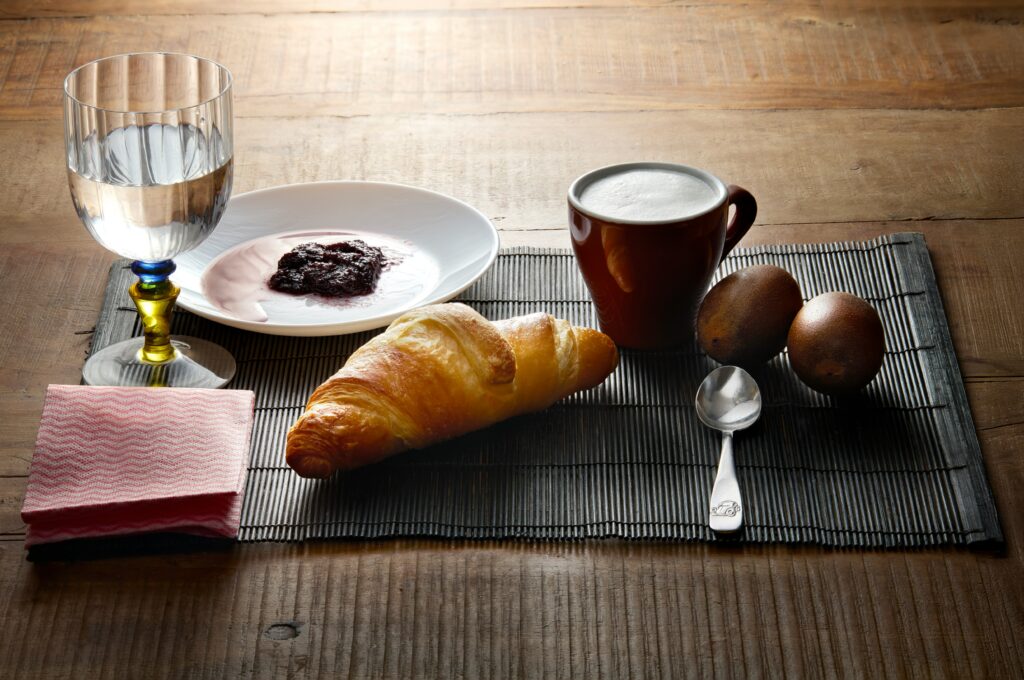
Why Breakfast Looks Different Around the World
Breakfast isn’t just the first meal of the day it’s a reflection of where you are, what your body needs, and how your culture moves. In tropical climates, breakfast might be light and hydrating. In colder regions, it’s often warm, dense, and carb heavy, built to get people through cold commutes and long work hours. Farmers in rural India might start with spicy poha for quick energy. Office workers in Tokyo lean into tamago kake gohan for speed and comfort.
Tradition plays a big role too. Some countries treat breakfast like a sacred ritual slow, social, and steeped in heritage. In France, a tartine with jam quietly anchors the morning. In Mexico, chilaquiles slow you down just enough to enjoy every bite. Other places view it as fuel. Simple. Straightforward. Get in, get powered up, move on.
How we start our days says a lot about what lies ahead.
This list of global breakfasts captures those moods, climates, and rhythms one plate at a time.
Japanese Tamago Kake Gohan (Egg Over Rice)
Tamago Kake Gohan is as simple as it sounds steaming white rice with a raw egg cracked right on top. Stir it with chopsticks until the yolk blends into the heat, creating a silky, savory coating. Maybe you add a splash of soy sauce. Maybe not.
This dish is a quiet morning ritual in many Japanese homes. No frills, no garnish, just warmth and fuel. It’s about comfort, speed, and using what’s already in the kitchen. In a world full of loud breakfasts, Tamago Kake Gohan is just doing its job and doing it well.
Turkish Menemen
Menemen is the kind of breakfast that doesn’t try too hard but ends up stealing the show anyway. It starts with a skillet, a slick of olive oil, and a quick sauté of tomatoes and green peppers until they soften and start giving off that bright, fresh smell. Eggs get cracked straight into the mix and gently stirred in until just set runny enough to scoop, not too dry. No cheese, no fuss. Just simple ingredients doing what they do best.
The result? A warm, savory dish made for tearing into with fresh bread. It’s humble, quick, and packed with flavor without feeling heavy. Menemen isn’t about indulgence it’s about balance. Light enough to start your day, but satisfying enough to get you through the morning.
If you’re looking to break out of sweet breakfast habits, this is a solid move. Especially if you’ve got ripe tomatoes and five minutes to spare.
Nigerian Akara and Pap
A Classic West African Combo
In Nigeria, breakfast is often hearty, flavorful, and built to last until late afternoon. One of the most beloved pairings is Akara and Pap a duo that brings together texture, taste, and tradition.
What Is Akara?
Akara are deep fried bean cakes made primarily from black eyed peas. They’re:
Crispy on the outside, soft on the inside
Seasoned with onions, peppers, and sometimes a hint of ginger
Protein rich and naturally gluten free
Often fried in batches, Akara is a common sight on street corners, especially in the early morning hours.
And Pap?
Pap is a fermented cornmeal porridge that’s smooth and slightly tangy. It’s:
Made from maize, millet, or sorghum
Cooked to a thick, custard like consistency
Served warm, often sweetened with sugar or honey
Pap complements the crispy Akara by adding warmth and softness to your plate. It’s a balancing act of textures enjoyed across generations.
From Market Stall to Family Table
Originally served as street food, this combo has made its way into family kitchens across Nigeria. Easy to prepare and budget friendly, Akara and Pap bring people together whether on a busy weekday morning or a slow Sunday at home.
French Tartine with Butter and Jam
A tartine is as straightforward as breakfast gets: a halved baguette, lightly toasted, slathered with cold butter and a generous swipe of fruit jam. That’s it. No complicated ingredients, no hot pans just quality bread doing heavy lifting, paired with something sweet to start the day on a soft note.
In French homes, the tartine isn’t just tradition it’s rhythm. Taken with a milky coffee or tea, it’s a breakfast that doesn’t rush. The crisp edge of the baguette, the way the butter melts slightly into the warmth, the tang of apricot or raspberry jam cutting through it’s simple but intentional.
Minimalist? Absolutely. Forget superfoods or smoothie bowls. The tartine isn’t trying to be trendy. It’s just good. And sometimes that’s all you need before stepping into the rest of the day.
Colombian Arepas with Cheese
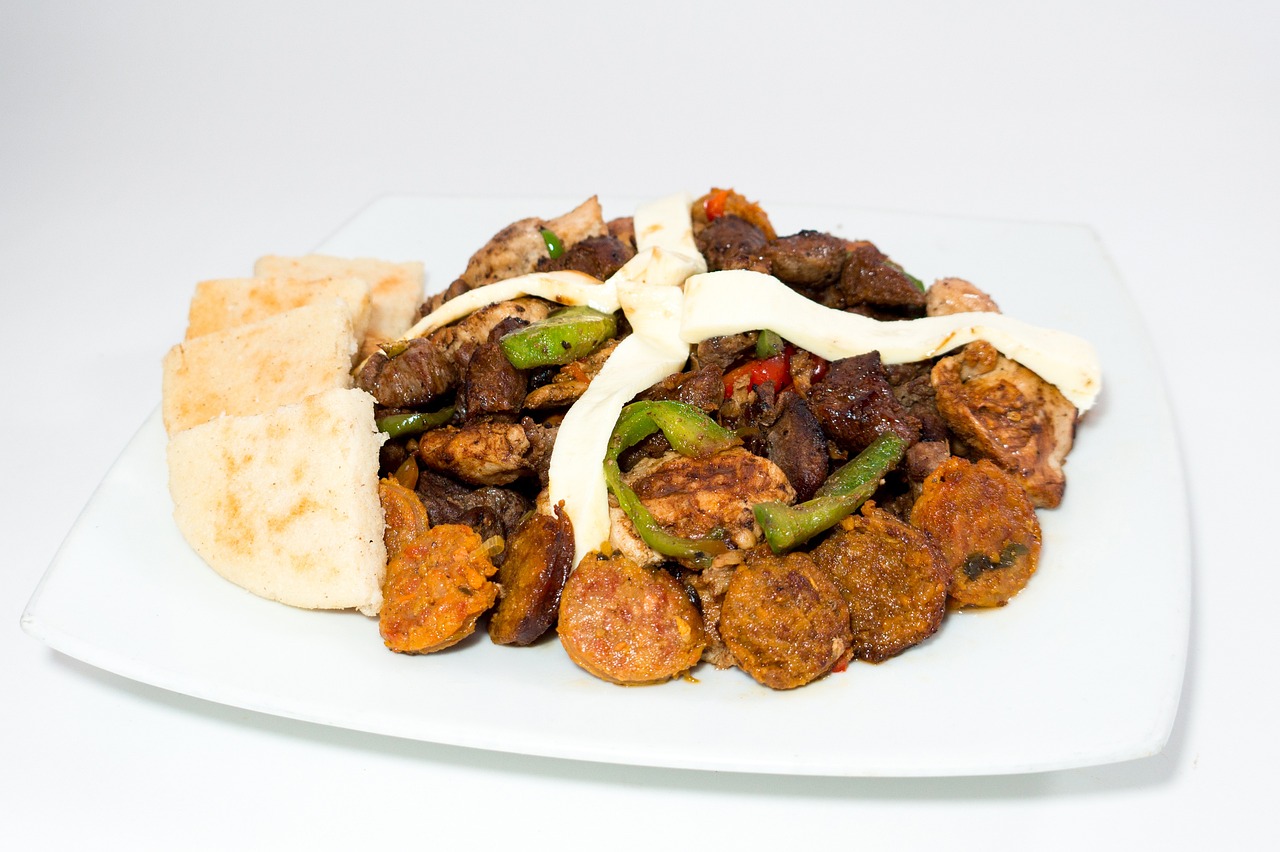
A Colombian breakfast classic, arepas are simple cornmeal patties cooked until they’re crisp outside and soft inside. The real magic happens when they’re split open and filled with salty, melting cheese sometimes mozzarella, sometimes fresh queso costeño. Think of it as the comfort food you didn’t know you needed at 7 a.m.
In Colombia, you can make arepas at home with a few pantry staples, but many folks grab them fresh from open air markets or roadside stalls where they’re grilled over hot plates and handed to you wrapped in paper. There’s no single way to prepare them recipes vary by region and personal taste but the warm cheese pull is universal. It’s fast, hearty, and the kind of breakfast that sticks with you till lunch.
Vietnamese Pho for Breakfast
Yes, soup in the morning and it works. In Vietnam, pho isn’t just dinner food. It’s how locals start their day, especially in Hanoi or Saigon, where steam rises from sidewalk stalls before sunrise. The broth is the soul of pho: slow simmered from beef or chicken bones, loaded with spices like star anise, clove, and cinnamon. Rice noodles slide under the surface. Slices of meat usually beef or chicken go on top, along with a flurry of herbs: Thai basil, cilantro, green onion. Add lime, chili, maybe a bit of hoisin. It’s light but satisfying, and it sets the tone for the day clean, sharp, no wasted moves.
Pho isn’t fast food, but it is fast in the sense that it returns energy and clarity. That’s why it’s such a common morning tradition. You eat standing up, or balanced on a plastic stool, and then you’re off. It’s not just a meal. It’s a reset button, hot and fragrant and straight to the point.
Russian Syrniki (Cottage Cheese Pancakes)
Golden on the outside, tender at the center syrniki hit a rare balance. These compact pancakes are made from cottage cheese, egg, and just enough flour to hold everything together. Lightly sweet but never cloying, they’re a humble yet satisfying start to the day.
They’re best served hot from the pan, with cold sour cream or a spoonful of jam on the side. The contrast makes each bite feel deliberate: crisp crust, creamy inside, and just a hint of tang or fruit. In Russia and across Eastern Europe, syrniki aren’t just breakfast they’re a ritual. Made quickly, eaten slowly.
Mexican Chilaquiles
Chilaquiles are what happens when last night’s tortillas become this morning’s comfort food. The dish starts with fried corn tortilla chips cut, crisped, and tossed in a pan until golden. Then comes the salsa, either red or green, poured over the chips and simmered just long enough to soften but not dissolve them. Crack in a couple of eggs, cook to your liking, and the base is ready.
But the real magic is in the toppings. A spoonful of cool crema, crumbled queso fresco, slices of ripe avocado all layered on top like a casual, edible crown. Some folks add beans, others throw on onions or a dash of hot sauce, but the essentials stay the same: bold, messy, and rich with flavor. Chilaquiles don’t just fill you up they wake you up.
Swedish Filmjölk with Granola and Berries
In Sweden, mornings often begin with something clean, cool, and naturally tangy: filmjölk. This fermented milk lands somewhere between yogurt and kefir drinkable, but still rich enough to carry texture. It’s typically served cold right out of the fridge, no fuss.
Where it shines is in the toppings. A handful of whole grain granola, a scatter of berries strawberries, bilberries, or whatever’s in season maybe a spoonful of honey if you’re feeling indulgent. It’s direct, balanced, and doesn’t try to show off. Just a reliable way to start the day that leaves you feeling calm and fed. Nothing extra. Nothing missing.
Indian Poha (Spiced Flattened Rice)
Poha is the kind of breakfast that hits hard in under 15 minutes. Flattened rice flakes get a quick soak, then go straight into a pan sizzling with mustard seeds, curry leaves, and green chilies. A pinch of turmeric gives it that signature golden color. Toss in roasted peanuts for crunch, and finish with a squeeze of fresh lemon juice that cuts through the spice and ties everything together.
Originating in western India but beloved across the country, Poha is proof you don’t need a long recipe to get big flavor. It’s a dish that’s affordable, lightning fast, and endlessly flexible add some diced onions, grated coconut, or even boiled potatoes if you’re feeling it. But at its core, Poha is about warm spice, crisp textures, and bright flavor all in one bowl.
Where to Explore More
Hungry for mornings that break the mold? Skip the standard scrambled eggs and dive into a lineup that spans continents. From the tangy crunch of Indian poha to the creamy tang of Swedish filmjölk, there’s a world of flavors out there that deserve a spot on your plate.
Check out this curated mix of world breakfast recipes—no gimmicks, just real dishes that locals actually eat. Whether you’re itching to reinvent your mornings or just want an edible excuse to learn about culture, this list is your starting point. Expand your flavor range, no passport required.

 Cindy Thorntonesion writes the kind of global cuisine guides content that people actually send to each other. Not because it's flashy or controversial, but because it's the sort of thing where you read it and immediately think of three people who need to see it. Cindy has a talent for identifying the questions that a lot of people have but haven't quite figured out how to articulate yet — and then answering them properly.
They covers a lot of ground: Global Cuisine Guides, Local Food Spotlights, Recipe Ideas and Tips, and plenty of adjacent territory that doesn't always get treated with the same seriousness. The consistency across all of it is a certain kind of respect for the reader. Cindy doesn't assume people are stupid, and they doesn't assume they know everything either. They writes for someone who is genuinely trying to figure something out — because that's usually who's actually reading. That assumption shapes everything from how they structures an explanation to how much background they includes before getting to the point.
Beyond the practical stuff, there's something in Cindy's writing that reflects a real investment in the subject — not performed enthusiasm, but the kind of sustained interest that produces insight over time. They has been paying attention to global cuisine guides long enough that they notices things a more casual observer would miss. That depth shows up in the work in ways that are hard to fake.
Cindy Thorntonesion writes the kind of global cuisine guides content that people actually send to each other. Not because it's flashy or controversial, but because it's the sort of thing where you read it and immediately think of three people who need to see it. Cindy has a talent for identifying the questions that a lot of people have but haven't quite figured out how to articulate yet — and then answering them properly.
They covers a lot of ground: Global Cuisine Guides, Local Food Spotlights, Recipe Ideas and Tips, and plenty of adjacent territory that doesn't always get treated with the same seriousness. The consistency across all of it is a certain kind of respect for the reader. Cindy doesn't assume people are stupid, and they doesn't assume they know everything either. They writes for someone who is genuinely trying to figure something out — because that's usually who's actually reading. That assumption shapes everything from how they structures an explanation to how much background they includes before getting to the point.
Beyond the practical stuff, there's something in Cindy's writing that reflects a real investment in the subject — not performed enthusiasm, but the kind of sustained interest that produces insight over time. They has been paying attention to global cuisine guides long enough that they notices things a more casual observer would miss. That depth shows up in the work in ways that are hard to fake.