
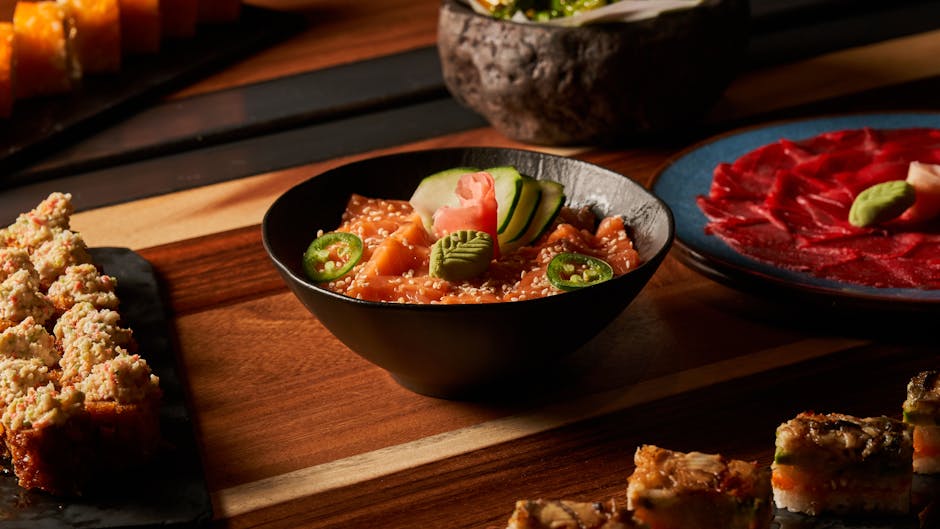
Why Japanese Cuisine Deserves Your Attention
Japanese cuisine isn’t just about fresh fish and meticulously arranged plates it’s an expression of culture, seasonality, and a deep rooted respect for nature and balance. Whether you’re an adventurous eater or just curious about global food traditions, Japanese cuisine offers a thoughtful and satisfying entry point into the world of culinary travel.
A Cuisine of Balance and Seasonality
Harmony on the plate: Dishes often balance salt, sweet, sour, bitter, and umami
Seasonal offerings: Menus shift with the seasons, using ingredients at their freshest
Small portions, big variety: Meals typically include multiple small dishes, offering a range of textures and flavors
Cultural Significance Beyond Taste
A living tradition: Recognized by UNESCO as an Intangible Cultural Heritage of Humanity
Mindful preparation: Cooking methods reflect centuries of craftsmanship and cultural refinement
Rituals at the table: Meals emphasize gratitude, from how food is prepared to how it’s enjoyed
A Destination for Curious Food Travelers
From sushi to street food: Explore everything from Michelin starred kaiseki to market fresh takoyaki
Regional diversity: Each region offers a unique food culture shaped by climate and history
A primer for food explorers: Japanese dining practices make it an ideal starting point for understanding global food etiquette
For broader context, check out our intro to food travel.
Core Elements on the Plate
When it comes to Japanese cuisine, everything starts with rice. It’s not just a side it’s the anchor of the meal. Whether you’re eating a fancy kaiseki or grabbing a quick bento, rice is constant. It’s taken seriously, too: well cooked, just the right stickiness, often locally grown.
Then there’s miso soup. It’s easy to overlook, but it plays an essential balancing role. Hot, simple, and umami rich, it complements the other dishes without overpowering them. There’s variation different types of miso, seasonal veggies, maybe tofu or seaweed but the spirit stays the same.
Now for the hits everyone’s heard of. Sushi and sashimi lead the pack not just for their taste but for their precision. Sushi is all about balance: vinegared rice, fresh fish, and minimal extras. Sashimi skips the rice and puts full focus on raw quality. Tempura brings crunch into the picture deep fried vegetables or seafood in a light, airy batter. Yakitori, on the other hand, is backyard simplicity done right skewered chicken, grilled over charcoal, often served with just salt or a soy based glaze.
Still, Japanese food isn’t monolithic. What you eat in Hokkaido differs from what’s plated in Okinawa. Hokkaido leans toward hearty soups and fresh seafood, thanks to its climate. Head south, and you’ll find awamori spirits, goya (bitter melon), and pork dishes that show off Okinawa’s unique history. Seasonal ingredients matter, too. Spring means bamboo shoots, fall brings matsutake mushrooms, and winter is all about hot pots.
In short: there’s the familiar, and then there’s the highly regional. Both matter. Both are worth trying.
Table Manners That Actually Matter
Japanese dining culture isn’t about rigid formality, but some moves really count. Start with the oshibori the damp towel you’re given before a meal. It’s for your hands only. Don’t touch your face, don’t clean the table. Wipe, fold, set it aside.
Chopsticks have rules too. First and foremost: never stick them upright in a bowl of rice. It’s linked to funeral rituals and seen as bad luck. If you need to set them down, use the holder or lay them flat, parallel to the edge of the table.
Before you dive in, say “Itadakimasu” a simple phrase that shows appreciation for the meal and those who made it possible. After eating, “Gochisousama” closes the experience. These aren’t just cute phrases; they reflect a culture of gratitude that’s deeply ingrained.
And if you’re sharing dishes? Flip your chopsticks and use the opposite end to serve others. It’s a small move, but in Japan, that sort of thing matters. Sharpen up on these details and you’ll blend in way better than someone who just knows what sushi is.
Must Know Tips for First Time Diners
Some things feel off to Western diners at first but in Japan, they’re not just accepted. They’re expected.
Start with slurping. Loud noodle slurps aren’t rude they’re a sign you’re enjoying the meal. It also helps cool the noodles and enhance the flavor. Don’t fight it. Just slurp.
As for sushi, hold back on stirring wasabi into your soy sauce. It might be common elsewhere, but in Japan, it’s seen as masking the chef’s work. If the sushi comes with wasabi already tucked inside, trust it. If not, lightly dab the fish not the rice with soy sauce.
Tipping? Don’t. It’s not a thing here, and insisting on leaving extra can actually come across as awkward or worse, disrespectful. Great service is standard and built into the experience.
Finally, be mindful of seating, especially in more formal settings or traditional households. Hierarchy matters. The most senior or honored guest usually gets seated farthest from the door in what’s called the “kamiza” (the place of honor). If you’re with a group and unsure, hang back and let the host guide you.
Japanese dining etiquette isn’t about rigid rules it’s about showing awareness. Make the effort, and it goes a long way.
Quick Tips for Eating Out like a Local
If you’re looking to eat like a local in Japan without blowing your budget or fumbling through reservations, start here. Izakayas are your go to for casual evenings out. Think of them as a cross between a pub and a tapas bar, where you can sip on sake and graze through plates of grilled skewers, fried goodies, and pickled sides. No rigid structure just order as you go and enjoy the pace.
Craving sushi? Conveyor belt spots (kaitenzushi) are fast, fun, and wallet friendly. Plates rotate in front of you, prices are usually color coded, and you can eat at your own speed. It’s low pressure, high reward dining.
Don’t underestimate Japan’s convenience stores, either. Konbini like 7 Eleven, Lawson, and FamilyMart stock solid snack options: onigiri (rice balls), cold soba, fried chicken, and even decent coffee. Open around the clock, they’re a reliable stop for a quick bite on the move.
One thing to note: many smaller eateries and vending machines won’t take foreign credit cards. Carry cash or grab an IC card (like Suica or Pasmo) to make transactions smoother. It’s the small stuff that keeps your trip running easy.
Taking the First Bite of Food Exploration
If you’re just getting started on your food travel journey, it’s not about knowing every regional term or mastering chopstick technique on day one. What matters more is showing up with open eyes and genuine interest. Ask questions. Listen carefully. Watch how locals do things not to imitate perfectly, but to understand how food fits into daily rhythm and deeper tradition.
Respect beats polish every time. Saying “itadakimasu” matters more than knowing every ingredient, and saying it with intent goes even further. Most hosts and chefs won’t disqualify you for getting something wrong they’ll appreciate the effort, the curiosity, and the respect.
This is your gateway. Japanese cuisine offers a rich, layered introduction into food culture as a way of life not just a thing on your plate. If you start here, you’ll pick up not just flavors, but values.
(Learn more in our full intro to food travel)

 Cindy Thorntonesion writes the kind of global cuisine guides content that people actually send to each other. Not because it's flashy or controversial, but because it's the sort of thing where you read it and immediately think of three people who need to see it. Cindy has a talent for identifying the questions that a lot of people have but haven't quite figured out how to articulate yet — and then answering them properly.
They covers a lot of ground: Global Cuisine Guides, Local Food Spotlights, Recipe Ideas and Tips, and plenty of adjacent territory that doesn't always get treated with the same seriousness. The consistency across all of it is a certain kind of respect for the reader. Cindy doesn't assume people are stupid, and they doesn't assume they know everything either. They writes for someone who is genuinely trying to figure something out — because that's usually who's actually reading. That assumption shapes everything from how they structures an explanation to how much background they includes before getting to the point.
Beyond the practical stuff, there's something in Cindy's writing that reflects a real investment in the subject — not performed enthusiasm, but the kind of sustained interest that produces insight over time. They has been paying attention to global cuisine guides long enough that they notices things a more casual observer would miss. That depth shows up in the work in ways that are hard to fake.
Cindy Thorntonesion writes the kind of global cuisine guides content that people actually send to each other. Not because it's flashy or controversial, but because it's the sort of thing where you read it and immediately think of three people who need to see it. Cindy has a talent for identifying the questions that a lot of people have but haven't quite figured out how to articulate yet — and then answering them properly.
They covers a lot of ground: Global Cuisine Guides, Local Food Spotlights, Recipe Ideas and Tips, and plenty of adjacent territory that doesn't always get treated with the same seriousness. The consistency across all of it is a certain kind of respect for the reader. Cindy doesn't assume people are stupid, and they doesn't assume they know everything either. They writes for someone who is genuinely trying to figure something out — because that's usually who's actually reading. That assumption shapes everything from how they structures an explanation to how much background they includes before getting to the point.
Beyond the practical stuff, there's something in Cindy's writing that reflects a real investment in the subject — not performed enthusiasm, but the kind of sustained interest that produces insight over time. They has been paying attention to global cuisine guides long enough that they notices things a more casual observer would miss. That depth shows up in the work in ways that are hard to fake.