
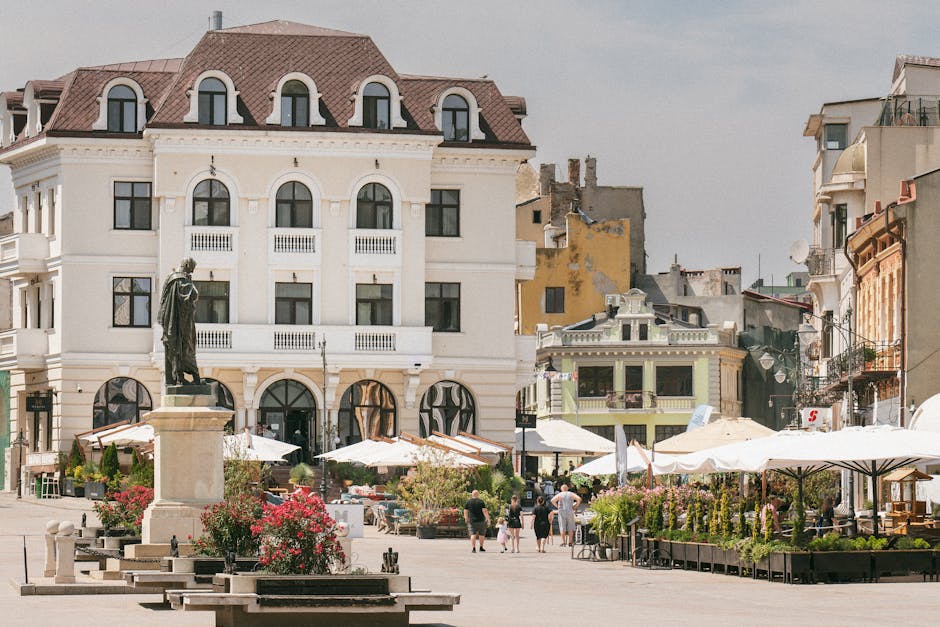
Where to Begin Your Culinary Adventure
Start with your taste buds they’ll rarely lead you wrong. Europe’s regional diversity isn’t just about borders or languages. It’s about butter vs. olive oil. Creamy vs. citrusy. Rich sauces in the north of France, aged cheeses in the Alps, sizzling seafood grills along the Mediterranean. If you lean toward bold, herb forward dishes, southern Europe’s your playground. Prefer hearty stews and deep wines? Central and Eastern Europe will feel like home.
Food isn’t just a way to experience a place. It’s a map in itself. What people eat tells you how they live, what they value, and how they celebrate. Using food to shape your route lets you skip the line at the tourist traps and head straight for connection and something delicious.
To make the most of it, plan around food centric experiences. Time your visit to catch village market days they’re where chefs and grandmothers shop alike. Research seasonal dishes like white asparagus in spring Germany or chestnut festivals in the Italian countryside. Food festivals, harvest weekends, or even Tuesdays at a busy fish pier can be more memorable than a museum tour.
Go where your appetite leads. It makes every trip personal, and every meal a story.
Can’t Miss Regions for Authentic Eats
When it comes to discovering Europe’s culinary soul, each region offers a distinct flavor profile rooted in tradition, geography, and local pride. Here’s a breakdown of the must visit food destinations for travelers with a hearty appetite and an open mind.
Italy: Farm to Table Freshness and Flavorful Street Bites
Italy is a patchwork of regional specialties, and no two places taste the same.
Tuscany: Known for its dedication to seasonal ingredients, you’ll find rustic farm to table meals featuring pecorino cheese, hand rolled pasta, and bold olive oils. Visit local agriturismos for authentic, home cooked experiences that reflect the land.
Palermo (Sicily): Dive into a street food tour where arancini (stuffed rice balls), panelle (chickpea fritters), and cannoli reign supreme. The energy of the open air markets matches the boldness of its flavors.
France: Rich, Regional Elegance
France invites you to follow your nose and palate across its diverse regions:
Normandy: Known for its creamy cheeses like Camembert and Pont l’Évêque, alongside fresh seafood and apple based cider and brandy.
Marseille: The port city’s iconic dish, bouillabaisse a fragrant seafood stew is a true reflection of its Mediterranean roots, packed with depth and briny richness.
Spain: Small Plates, Big Character
Spain doesn’t do dining halfway. It’s about variety, conversation, and flavor packed bites.
Seville: Tapas here go beyond patatas bravas. Look for solomillo al whisky (pork tenderloin in whisky sauce) and espinacas con garbanzos (spiced spinach with chickpeas).
San Sebastián: Pintxos, the Basque version of tapas, line the bars. Think of gourmet bites on toothpicks anchovies, foie gras, local cheese, all paired with chilled txakoli wine.
Eastern Europe: Hearty Comforts and Centuries Old Recipes
Venture into the warmth of Eastern European kitchens where comfort food reigns.
Poland: No visit is complete without tasting pierogi stuffed dumplings filled with potato, cheese, mushroom, or fruit. Often served with sour cream or crispy onions.
Hungary: Goulash is a national treasure, but also look out for lángos (fried dough) and paprika rich stews that showcase a deep flavor profile.
The Balkans & Baltics: Europe’s Emerging Food Frontier
Less traveled but rich in tradition, these regions are quickly earning spots on every foodie’s radar.
The Balkans: From grilled meats in Serbia to the filo pastry wonders of Bosnia, this region blends Mediterranean, Slavic, and Ottoman influences into a bold, distinctive cuisine.
The Baltics: Discover smoked fish, rye breads, forest foraged mushrooms, and surprisingly refined restaurant experiences in cities like Tallinn, Vilnius, and Riga.
Whether you’re nibbling pintxos by the sea or digging into pierogi in a market square, these regions remind us: to truly know a place, you have to taste it.
Meals That Define a Culture
Food isn’t just sustenance it’s memory, identity, and ritual, all on a plate. In Europe, meals aren’t made up from scratch; they’re built from history. In every bite of coq au vin or spoonful of Hungarian goulash, you’re tasting the echoes of generations. Tradition shapes what’s eaten, how it’s prepared, and even who gets to cook it. You can’t fully understand a culture unless you sit at its table.
But here’s the catch: what locals eat and what tourists are served can be two different beasts. Ask anyone who’s been handed a lukewarm “carbonara” topped with cream and peas some dishes get filtered through the tourist lens and lose their soul along the way. Locals aren’t eating that. They’re grabbing packed lunches from the bakery down the block, midday aperitivos, or grandma’s slow cooked Saturday favorite that never makes it to a travel app.
Want to find the real deal? Walk. Skip the cafés ringing the cathedral square. Go one street over or three. Look for handwritten menus, lines of people speaking the local language, and prices that don’t make your wallet nervous. If it smells right, it probably is.
Still unsure? We’ve done the legwork. See our top picks for traditional cuisine picks that won’t disappoint.
How To Eat Like a Local
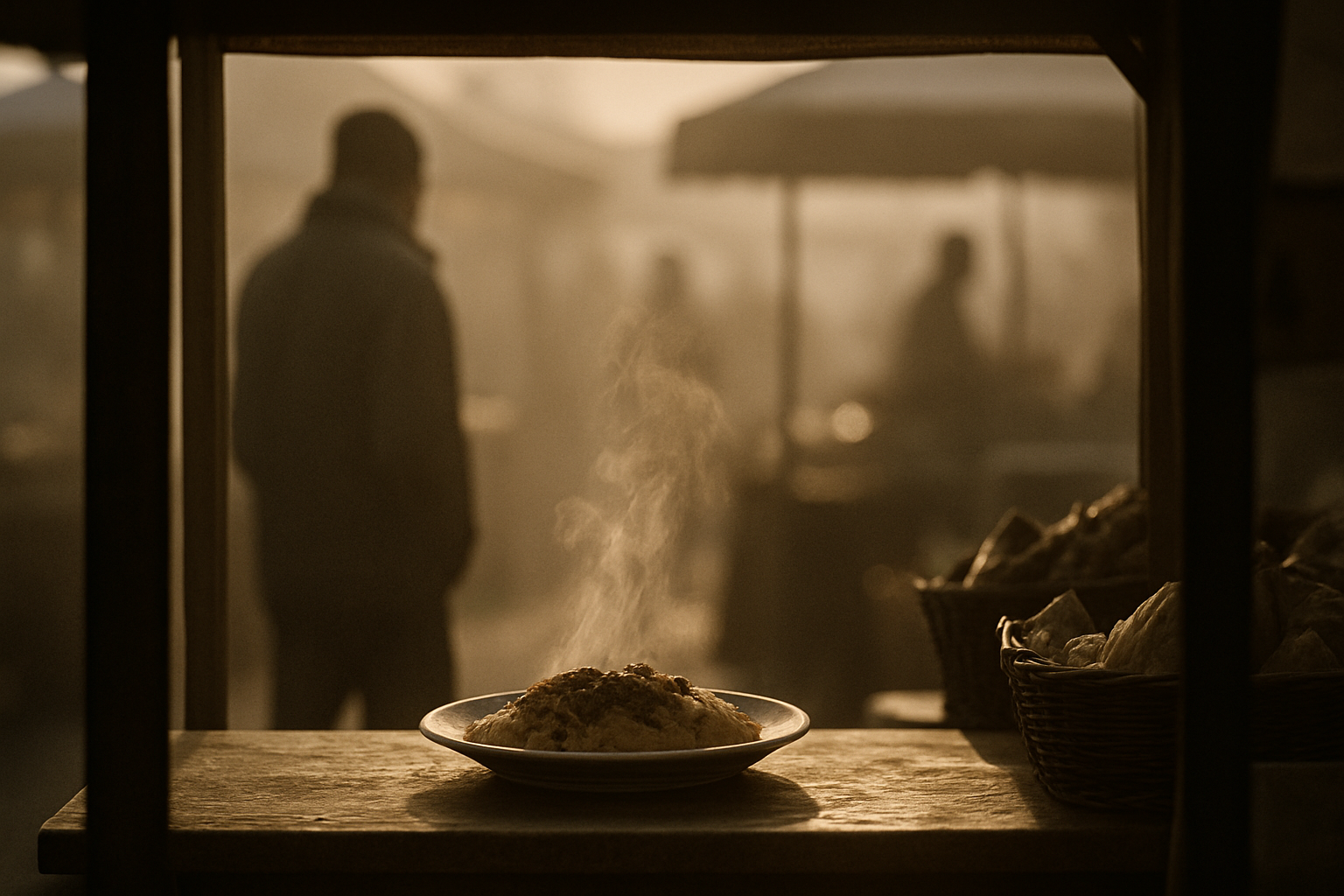
Mastering the art of eating like a local is part of the joy of culinary travel. Whether you’re navigating a handwritten chalkboard menu or trying to avoid a tourist trap, knowing the basics of local eating customs can elevate your experience from average to unforgettable.
How to Decode Menus Without Knowing the Language
Menus in local restaurants even in popular cities aren’t always translated. Luckily, there are ways to decode them without feeling clueless at the table:
Use your phone (discreetly): Tools like Google Lens or translation apps can help scan and translate menus quickly.
Look for familiar ingredients: Dishes often include recognizable root words like pollo (chicken), pomodoro (tomato), or queso (cheese).
Watch what others are ordering: Take cues from locals around you it’s often the most reliable recommendation.
Ask politely: A simple phrase in the local language like “What do you recommend?” can go a long way.
Table Manners: Understand the Unwritten Rules
Europe’s dining etiquette varies by country, but several key rules are worth remembering:
Tipping: In many places, service is included. A small tip (5 10%) is appreciated but not always expected.
Avoid substitutions: Swapping ingredients is not common in traditional European kitchens. Respect the chef’s intent and try the dish as it’s meant to be.
Pace yourself: Meals tend to be slower and social. Don’t expect check ins from the waiter every few minutes signal when you’re ready.
Why Lunch Might Be Your Best Meal
In many European countries, lunch isn’t just a quick bite it’s the highlight of the day. Midday meals are often hearty, affordable, and served in less crowded settings.
Prix fixe menus: Look for set lunch menus that offer multiple courses for a fraction of dinner prices.
Workday traffic: Restaurants serving locals during business hours are a sign you’ve found an authentic spot.
Midday closures: Some kitchens close between lunch and dinner, so plan accordingly if you’re aiming for a great sit down meal.
Eating like a local isn’t just about food it’s about embracing the rhythm, rituals, and respect that shape the dining table across Europe.
Market Culture: Europe’s Open Air Kitchens
Forget Michelin stars for a minute. If you want to understand a region’s food soul, go to its markets. Open air markets aren’t curated for tourists they’re fuel stations for locals. What you see in a European market tells you what people are cooking tonight, what’s in season, and what a region truly tastes like. From dried herbs to blood sausages, from sardines packed on ice to vine ripened tomatoes this is the kind of authenticity you can’t order off a menu.
Language barrier? Not a dealbreaker. Learn a few keywords like “how much” and “thank you” and let the food do most of the talking. Vendors are used to mixed language transactions. Just point, smile, nod. If you’re buying to bring home, know the rules: soft cheeses and fresh meats usually won’t survive customs, but hard cheeses, vacuum packed meats, spices, and oils? Go for it, just check airline and border guidelines to be sure.
Keep your eyes peeled for the good stuff: olive oil tastings straight from the producer, white truffles sold in dirt crusted clumps, and cheeses named after villages you’ve never heard of. Markets aren’t just places to buy food they’re places to eat, learn, and connect.
Explore even more traditional cuisine picks
Fast Tips for Slow Food
One rule across most of Europe: slow down. Meals aren’t just fuel they’re time to connect. In Italy, three hour lunches aren’t rare. In Spain, dinner might not start until 10 p.m. Rushing through a meal in these places isn’t just frowned upon; it’s missing the point.
Take advantage of the full experience. Start with a local aperitif maybe a French pastis or an Italian spritz. Let the bread come, the courses flow, and don’t skip the digestif. Hungarian Unicum or German Kräuterlikör may not be to everyone’s taste, but they tell a cultural story just as much as the main course.
If time’s tight, zero in on city defining bites. In Paris? Go for a jambon beurre from a quality bakery. Rome? Cacio e pepe or supplì. Barcelona? Bombas or jamón ibérico. Kraków? Zapiekanka from a street stall. You don’t need a white tablecloth to taste the heart of a place just a bit of direction and a willingness to sit still, even for 20 minutes.
Final Notes for the Hungry Traveler
You can pack light, but make sure you bring a fork and an open mind. Some of the best meals in Europe aren’t found inside guidebooks or behind white tablecloths. They’re tucked into alleys, served from carts, or cooked by a grandmother who doesn’t speak your language but knows you’re tired and hungry. A fork helps. Curiosity does the rest.
Sure, go see the landmarks. They’re worth it. But don’t stop there. Grab a seat with locals at a crowded counter. Follow the lines at a market stall. Taste something you’ve never heard of. These aren’t just meals they’re stories, culture, and history served in edible form. The longer you sit and the slower you eat, the deeper those stories go. That’s the real journey. The food just gets you there.

 Cindy Thorntonesion writes the kind of global cuisine guides content that people actually send to each other. Not because it's flashy or controversial, but because it's the sort of thing where you read it and immediately think of three people who need to see it. Cindy has a talent for identifying the questions that a lot of people have but haven't quite figured out how to articulate yet — and then answering them properly.
They covers a lot of ground: Global Cuisine Guides, Local Food Spotlights, Recipe Ideas and Tips, and plenty of adjacent territory that doesn't always get treated with the same seriousness. The consistency across all of it is a certain kind of respect for the reader. Cindy doesn't assume people are stupid, and they doesn't assume they know everything either. They writes for someone who is genuinely trying to figure something out — because that's usually who's actually reading. That assumption shapes everything from how they structures an explanation to how much background they includes before getting to the point.
Beyond the practical stuff, there's something in Cindy's writing that reflects a real investment in the subject — not performed enthusiasm, but the kind of sustained interest that produces insight over time. They has been paying attention to global cuisine guides long enough that they notices things a more casual observer would miss. That depth shows up in the work in ways that are hard to fake.
Cindy Thorntonesion writes the kind of global cuisine guides content that people actually send to each other. Not because it's flashy or controversial, but because it's the sort of thing where you read it and immediately think of three people who need to see it. Cindy has a talent for identifying the questions that a lot of people have but haven't quite figured out how to articulate yet — and then answering them properly.
They covers a lot of ground: Global Cuisine Guides, Local Food Spotlights, Recipe Ideas and Tips, and plenty of adjacent territory that doesn't always get treated with the same seriousness. The consistency across all of it is a certain kind of respect for the reader. Cindy doesn't assume people are stupid, and they doesn't assume they know everything either. They writes for someone who is genuinely trying to figure something out — because that's usually who's actually reading. That assumption shapes everything from how they structures an explanation to how much background they includes before getting to the point.
Beyond the practical stuff, there's something in Cindy's writing that reflects a real investment in the subject — not performed enthusiasm, but the kind of sustained interest that produces insight over time. They has been paying attention to global cuisine guides long enough that they notices things a more casual observer would miss. That depth shows up in the work in ways that are hard to fake.